- Shop by car
- American Truck & Tow
- Dodge Ram trucks
- GMC trucks
- Chevy trucks
- Ford F-150
- Ram 1500
- GMC Sierra
- Ford F-250 / F-350
- Ram 2500 / 3500 HD
- Chevy Silverado
- Ford Raptor
- Ram 1500 TRX
- Ford Ranger
- Ford trucks
- Toyota trucks
- Infiniti G35 / G37
- Infiniti Q50 / Q60
- Infiniti QX80 / QX60
- Nissan 370Z / 350Z
- Nissan Titan
- Nissan Armada
- Nissan Frontier / Pathfinder
- Honda Ridgeline
- Honda S2000
- Honda Pilot / Passport
- Honda Accord / CR-V / Odyssey
- Acura NSX
- Acura MDX
- Acura TLX / RDX / ILX
- Subaru BRZ / GR86
- Subaru Forester / Outback
- Mazda MX-5 Miata
- Mazda RX-8
- Mazda3 / CX-5 / CX-30
- Mitsubishi Lancer Evo
- Mitsubishi Outlander
- Buick Enclave / Regal
- Toyota Land Cruiser / GR86
- Lexus GX / LX
- Colorado / Canyon
- Cadillac ATS-V / CT4-V
- Lincoln Aviator
- Escalade V
- European Performance
- BMW M3 / M4
- BMW M2
- Porsche Macan
- VW Golf R / GTI
- Mercedes C-Class
- Mercedes E-Class
- Mercedes GLE
- Audi A4 / S4
- Audi Q5 / SQ5
- Audi S4 / RS5
- BMW X5
- BMW M5
- BMW X3 / X4 / X6 / X7
- BMW 3-Series
- BMW 5 / 7 / 8-Series
- BMW Z3 / Z4
- Audi A6 / RS6
- Audi Q7 / SQ7
- Audi RS3 / RS5 / RS7
- Audi A8 / A5 / TT / R8
- Mercedes S-Class / AMG GT
- Mercedes GLC / GLS
- Porsche 911
- Porsche Cayenne
- Porsche Panamera
- Porsche Boxster / Cayman
- Porsche Taycan
- VW GTI / Golf
- VW Jetta / GLI
- VW Tiguan / Atlas
- VW Passat / Touareg
- Audi RS Q8 (4M)
- Audi SQ7 / SQ8
- Audi RS5 B9
- Audi SQ5 2-piece
- Audi RS e-tron GT
- Audi S8 / RS7
- Mercedes GLB / GLA
- BMW i8 / Alpina
- Toyota & JDM
- American Truck & Tow
- VehiclesLoading…
- Brake Tech
- Blog
- About
- Account
FREE SHIPPING ON ALL ORDERS · 15% OFF WITH CODE SLYDE15 AT CHECKOUT
FREE SHIPPING ON ALL ORDERS · 15% OFF WITH CODE SLYDE15 AT CHECKOUT

Best Brake Kit for Toyota Tundra Towing: Complete Upgrade Guide
- By Slyde Over Team
- May 18, 2026

Why the Tundra's OEM Brakes Aren't Designed for Sustained Towing
The Toyota Tundra is one of the most capable towing platforms in the half-ton segment - 12,000 lbs of max tow capacity, a body-on-frame architecture built for sustained heavy use, and a 2022+ hybrid powertrain that delivers 437 HP combined from the i-FORCE MAX system. That capability creates a specific brake challenge that most Tundra owners discover the hard way: factory brake hardware isn't engineered for sustained maximum-capacity towing over a long ownership cycle.
Toyota engineers the Tundra's factory brake system to meet federal brake performance standards for the truck's rated tow capacity - not to perform at or near that capacity repeatedly over thousands of miles. When you tow 10,000+ lbs across mountain grades, kinetic energy converts into heat in the brake rotors and pads on every descent. OEM G3000 single-piece rotors develop microscopic surface variations after 2–3 sustained descents, and within one or two towing seasons, pedal pulsation on deceleration becomes noticeable.

2nd Gen Tundra (2007–2021): 5.7L and 4.6L V8 Platform
The 2nd generation Tundra is the most common Tundra on the road - the 5.7L 3UR-FE V8 (381 HP) particularly. This platform has a well-documented brake wear pattern among owners who regularly tow near max capacity: front rotor warping typically appears at 40,000–60,000 miles under heavy towing use, with brake judder on deceleration as the primary symptom.
The 4WD 2nd gen Tundra uses a larger front rotor diameter than the 2WD configuration - a detail that matters for exact kit fitment. Ghost Brakes Tundra brake kits are spec'd separately for 4WD and 2WD configurations. The 2nd gen TRD Pro uses the same brake specification as the standard Tundra for that year - TRD Pro owners who tow to off-road destinations face the compound stress profile that makes the upgrade particularly valuable.

3rd Gen Tundra (2022+): Twin-Turbo i-FORCE and i-FORCE MAX Hybrid
The 2022 Tundra was a full platform redesign - moving from the V8 to a twin-turbocharged 3.5L V6 (i-FORCE, 389 HP) and introducing the first hybrid powertrain in a Toyota full-size truck (i-FORCE MAX, 437 HP combined). The new platform brought updated brake specifications that require a 3rd-gen-specific Ghost Brakes kit.
The i-FORCE MAX hybrid system uses regenerative braking for light deceleration - but regen saturates quickly under maximum tow load on sustained grades. Friction brakes carry the full load for the remainder of the descent, and in emergency stopping at highway speed with a trailer, friction brakes provide 100% of stopping force regardless of hybrid system state. Hybrid Tundra owners who tow regularly need the same G11H18 drilled and slotted upgrade as gas models.
For a deep dive on Tundra rotor selection, see our Tundra drilled and slotted rotors guide.

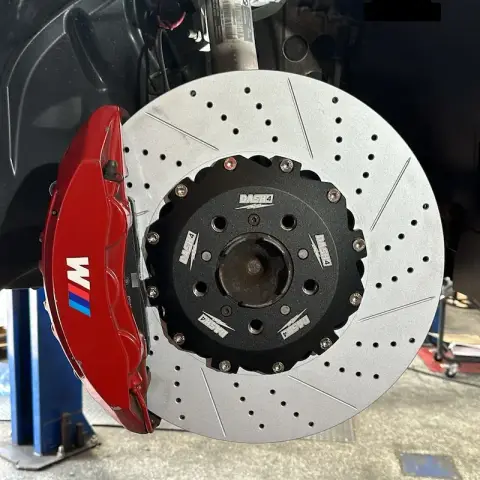
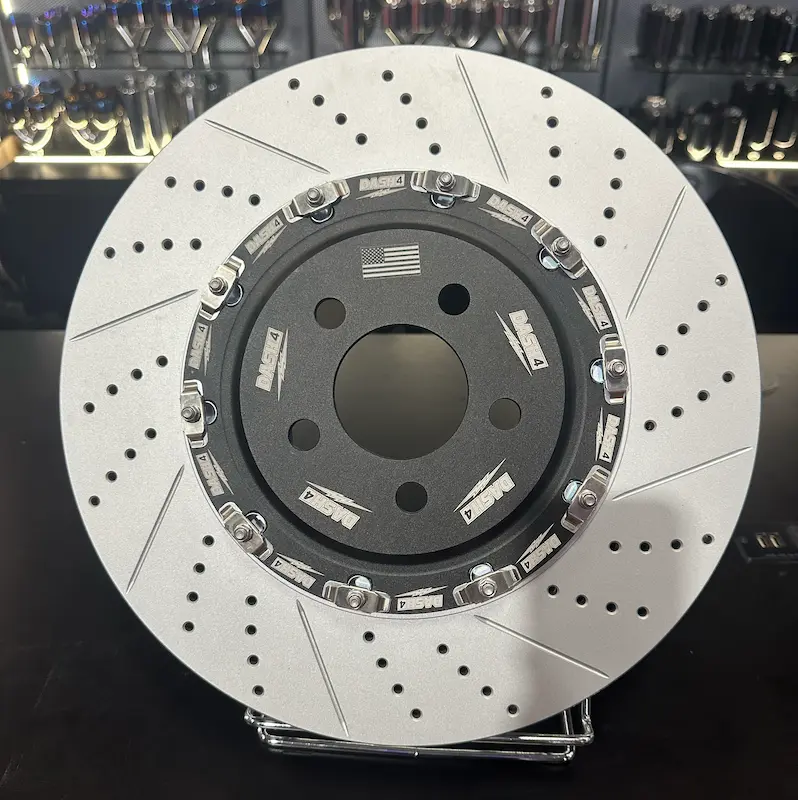
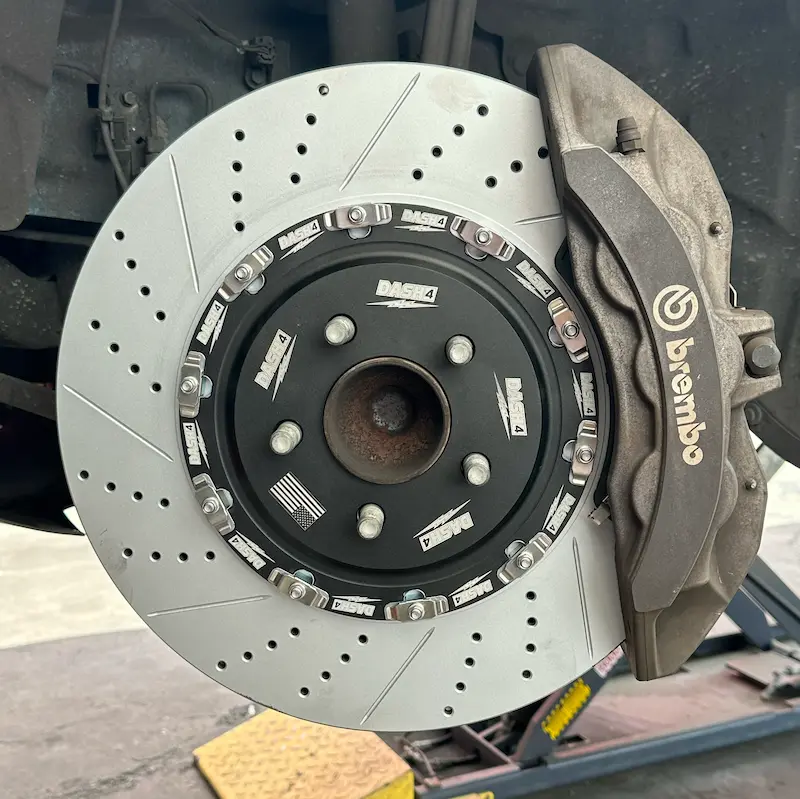
Ghost Brakes Tundra Kit: G11H18 Drilled & Slotted for Towing
Ghost Brakes Tundra kits address every towing failure mode of OEM hardware:
- G11H18 555-tier 1-piece drilled and slotted rotors: Premium high-carbon iron above G3000 OEM spec - resists the thermal stress that causes OEM rotor warp under sustained towing loads
- Diamond-slotted face: Continuous heat evacuation during downgrade braking - critical when there's no opportunity to cool down between stops
- Carbon ceramic pads: Fade-resistant, low dust, 3–5× the lifespan of OEM semi-metallic pads under towing-duty cycles
- GEOMET® coating: Corrosion protection for TRD Pro off-road use - water crossings, mud, and trail exposure that rust standard uncoated rotors within a season

Choosing the Right Kit and Installation
Ghost Brakes provides four Tundra-specific configurations:
- 2nd Gen Tundra 4WD (2007–2021): Larger front rotor spec kit
- 2nd Gen Tundra 2WD (2007–2021): Standard front rotor spec kit
- 3rd Gen Tundra Gas (2022+): Updated platform spec kit
- 3rd Gen Tundra i-FORCE MAX (2022+): Hybrid-confirmed fitment kit
Ghost Brakes Tundra kits are direct bolt-on installations - no modification to existing caliper hardware or brackets required. Follow the break-in procedure on pavement before any towing or off-road use. Do not tow before completing bedding - carbon ceramic compounds perform correctly from the first use after proper bedding.
Use the vehicle finder on the Tundra brake kits page to confirm your exact year, drivetrain, and trim. Every kit ships with a lifetime warranty.
Upgrade Your Tundra's Towing Brakes
Ghost Brakes Tundra brake kits - built for 12,000 lb tow capacity. Lifetime warranty.
Shop Tundra Brake Kits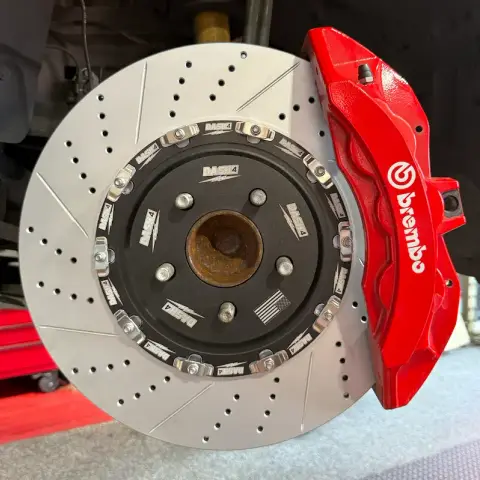
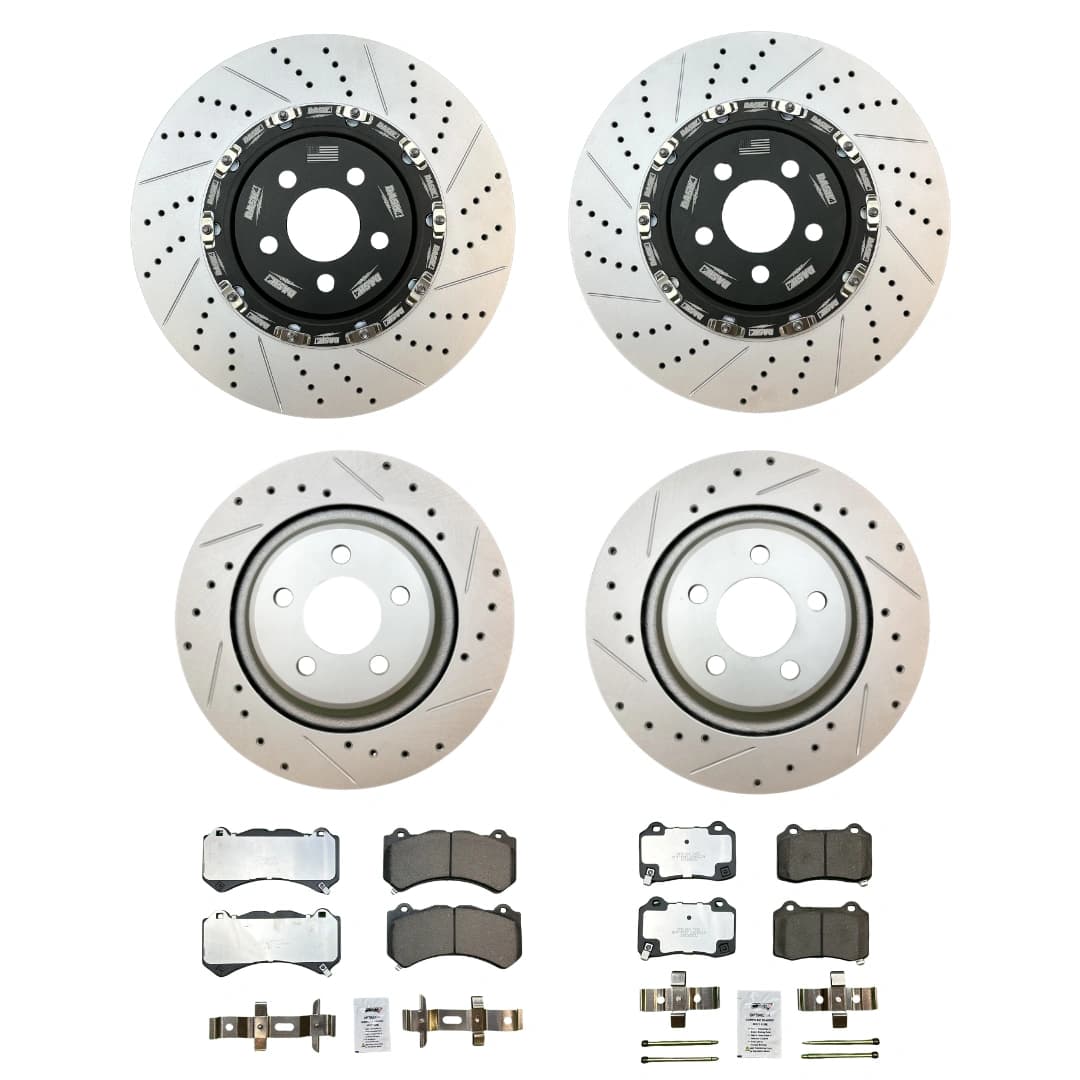
$1618.81$1375.13
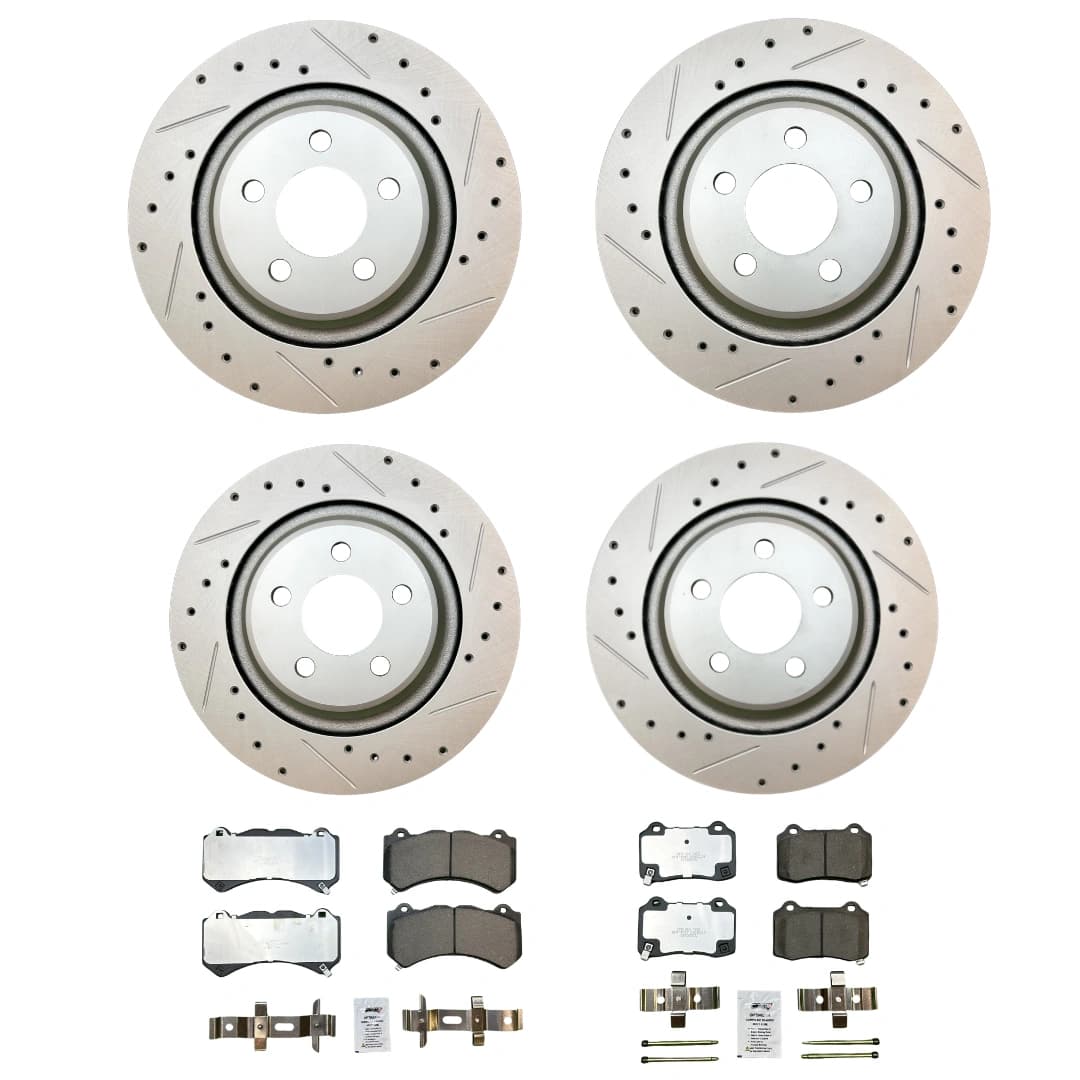
$746.16$634.68
$559.15$475.73
$1618.81$1375.13
$746.16$634.68
$559.15$475.73
$1618.81$1375.13

By Slyde Over Team on May 18, 2026
Complete comparison of rotor surface patterns - what drilled and slotted designs actually do, which is best for towing vs track vs street, and why construction quality matters more.

By Slyde Over Team on May 18, 2026
Pad fade vs fluid fade - what you feel when brakes fade, the towing and track scenarios that cause it, and how to prevent it completely with carbon ceramic pads.

By Slyde Over Team on May 18, 2026
Complete M3/M4 brake upgrade guide - Brembo compatibility, F-chassis vs G-chassis differences, how many track laps before fade, and Ghost Brakes kit selection.

By Slyde Over Team on May 18, 2026
Complete Golf R and GTI brake upgrade guide - MK8 Brembo spec, MK7 differences, FWD/AWD track brake dynamics, and dust reduction for VW factory wheels.
By Slyde Over Team on April 7, 2026
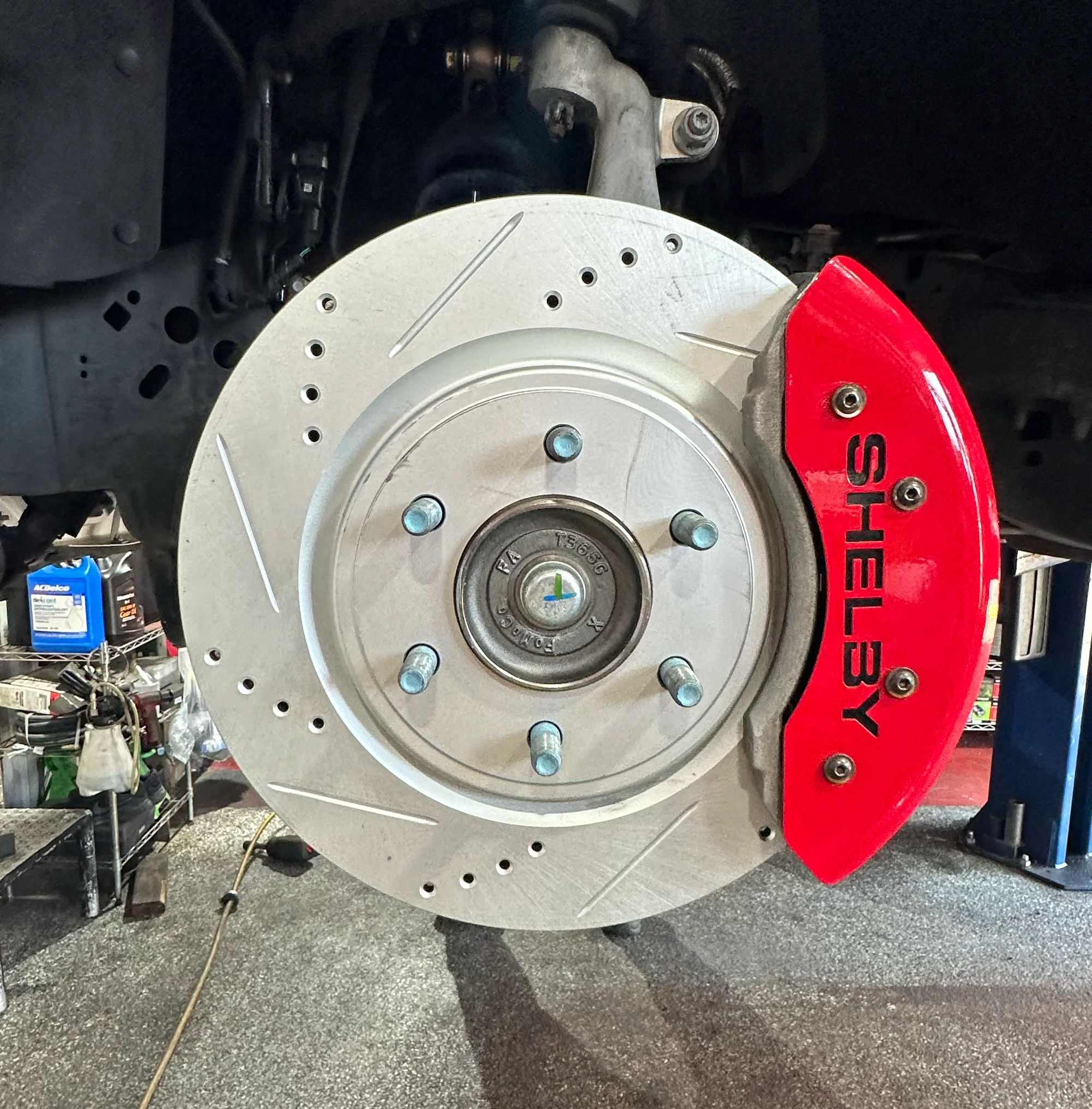
Why OEM F-150 brakes fail under towing loads and exactly which Ghost Brakes kit delivers consistent stopping power when hauling a trailer.
By Slyde Over Team on August 18, 2026
Everything F-150 owners need to know about drilled and slotted truck rotors - towing grades, G11H18 metallurgy, fitment by year, and which Ghost Brakes kit to buy.
By Slyde Over Team on April 7, 2026
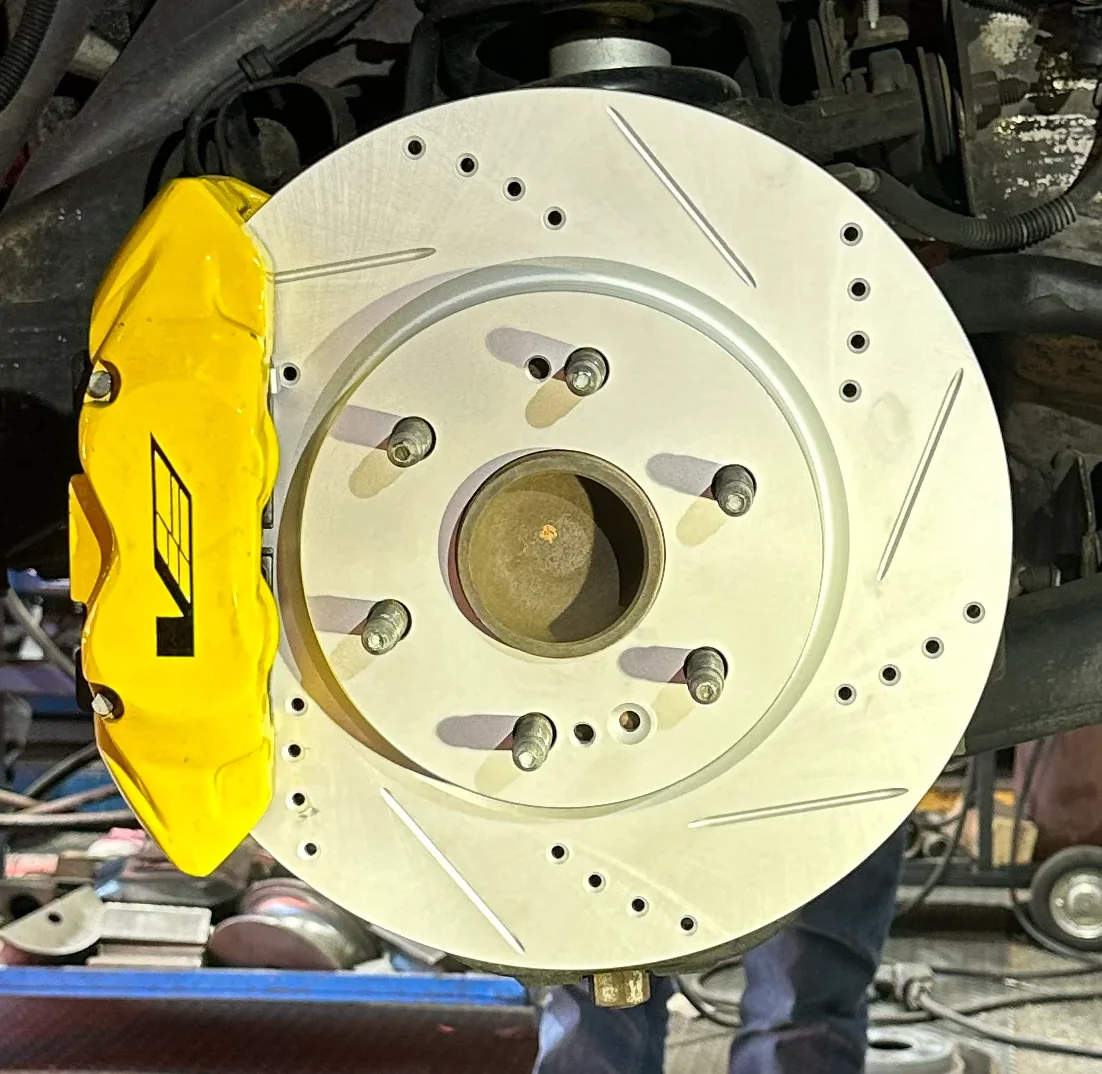
The honest answer for Silverado owners who tow regularly - and the upgrade that solves fade, warp, and premature wear at the same time.
By Slyde Over Team on August 18, 2026
Silverado 1500 and HD owners: why drilled and slotted truck rotors beat OEM under trailer load, and how to pick the right Ghost Brakes kit.
By Slyde Over Team on April 7, 2026
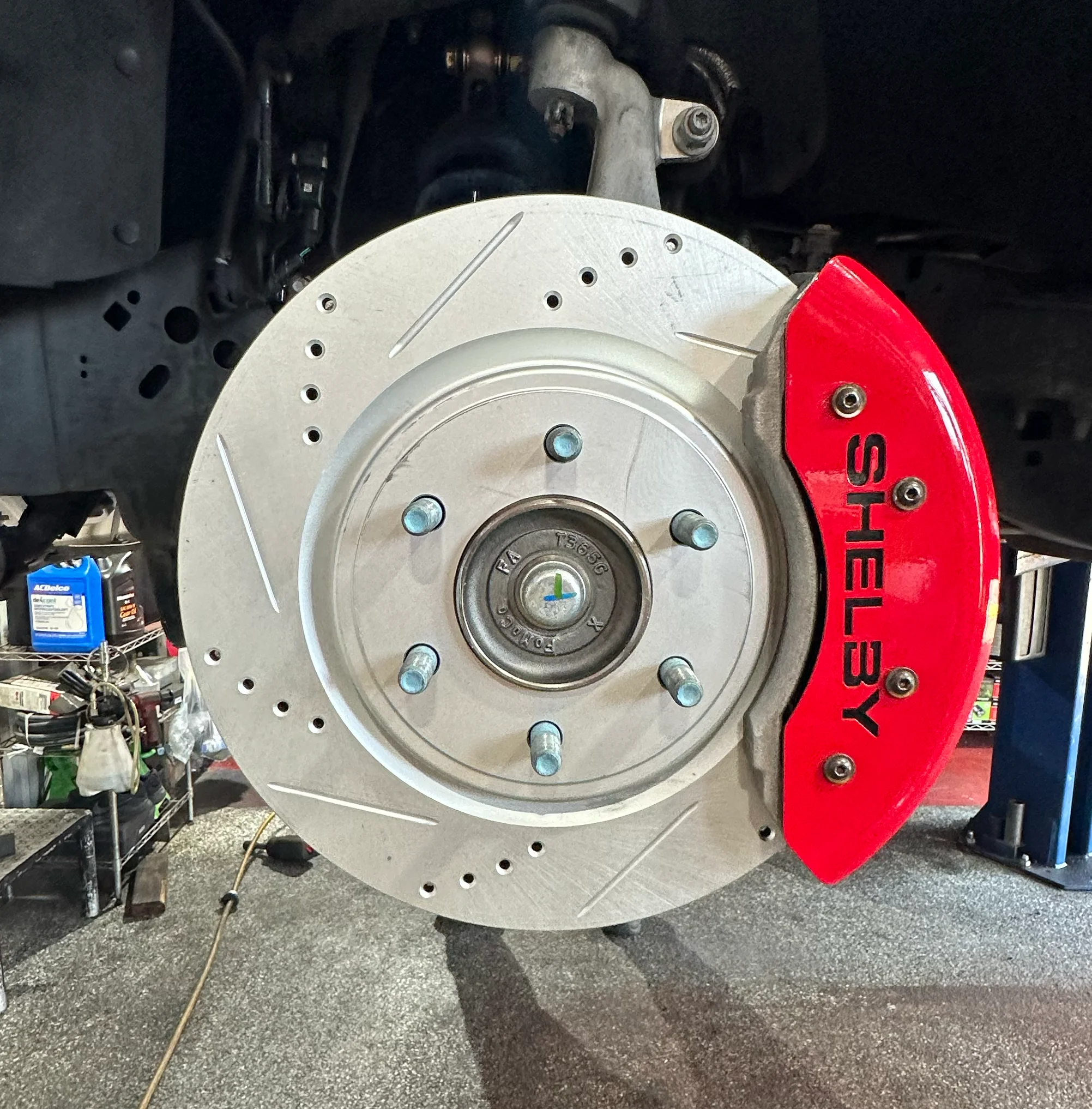
F-150, Silverado, Ram, Expedition, Tahoe - every major tow vehicle covered. The physics of towing brake failure and the right fix for each.
By Slyde Over Team on May 18, 2026
12,000 lbs of tow capacity demands more than OEM brake hardware - complete guide covering 2nd gen V8, 3rd gen turbo, i-FORCE MAX hybrid, and TRD Pro configurations.
By Slyde Over Team on August 18, 2026
Toyota Tundra drilled and slotted truck rotors explained - i-FORCE MAX, TRD Pro, and max tow rating brake upgrades that hold up on grades.
By Slyde Over Team on April 7, 2026
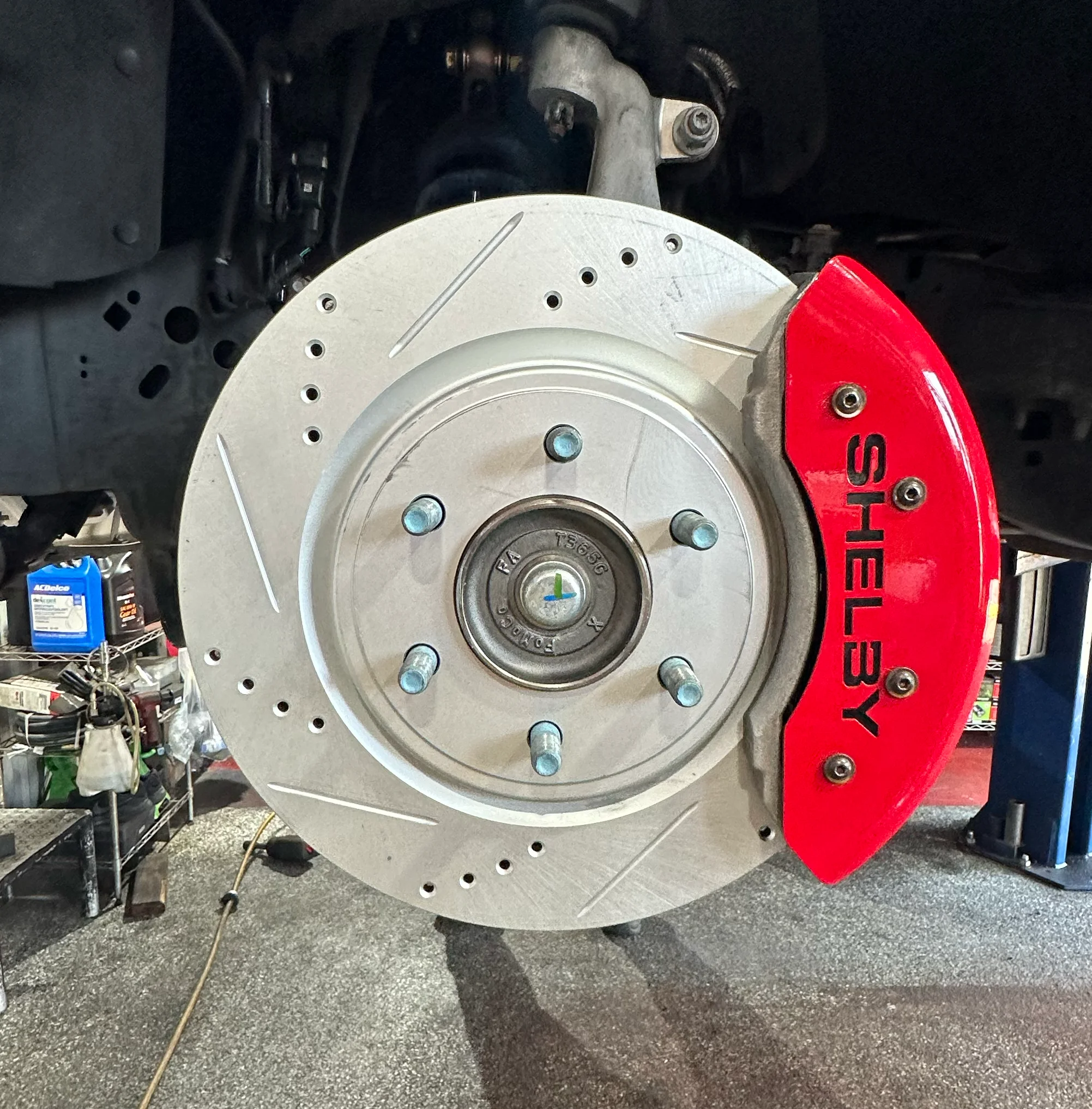
Raptor brake fitment is different from standard F-150. This guide covers rotor spec, Raptor R differences, and the upgrade that handles desert running.

By Slyde Over Team on May 18, 2026
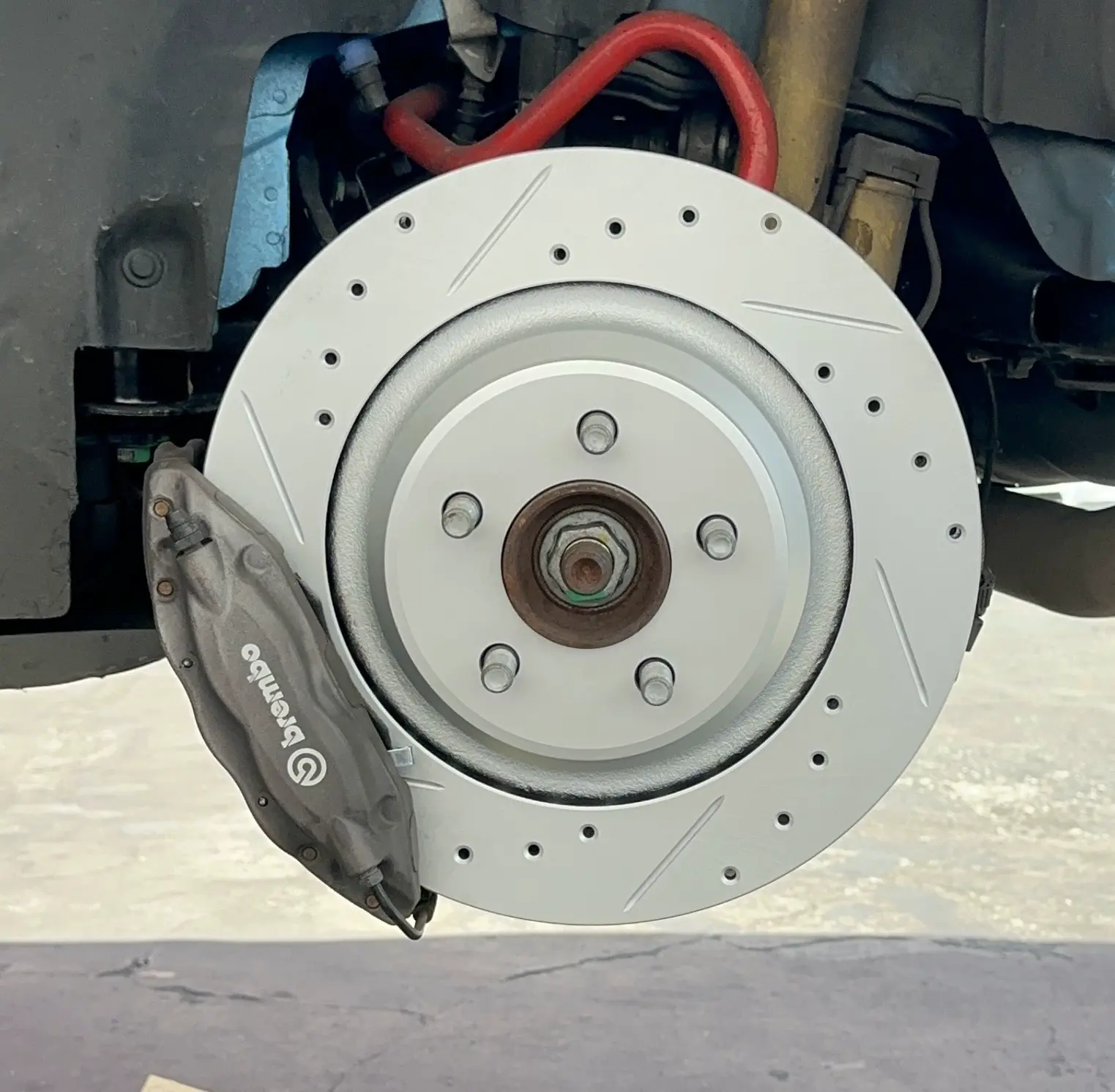
Water crossings, mud contamination, and towing to trailheads - why TRD Pro use destroys OEM Tacoma brakes and the Ghost Brakes kit that handles every trail condition.
By Slyde Over Team on August 18, 2026
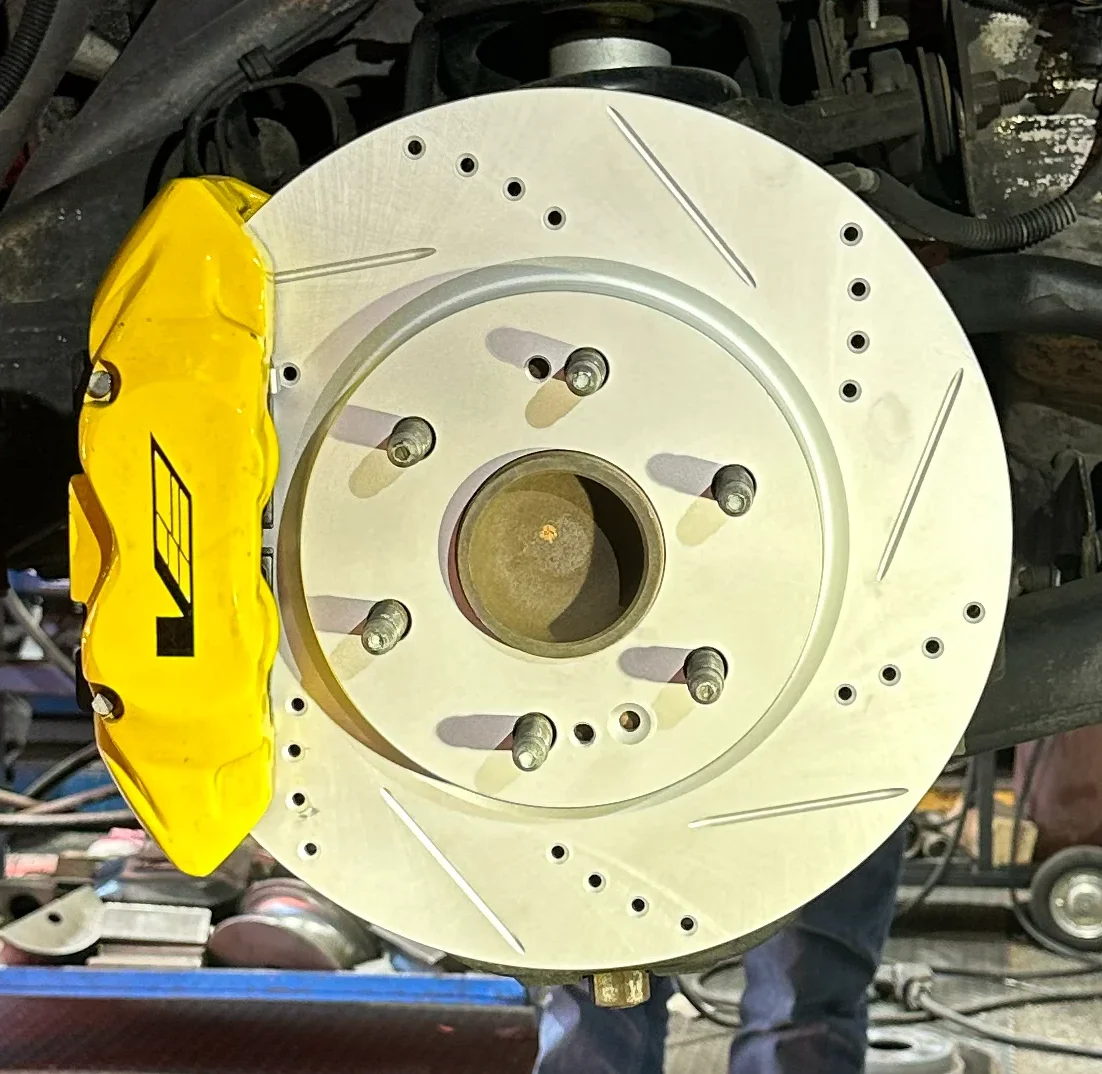
Ram 1500 Rebel, Laramie, and Big Horn towing brake guide - drilled and slotted truck rotors, carbon ceramic pads, and fitment by generation.
By Slyde Over Team on August 18, 2026
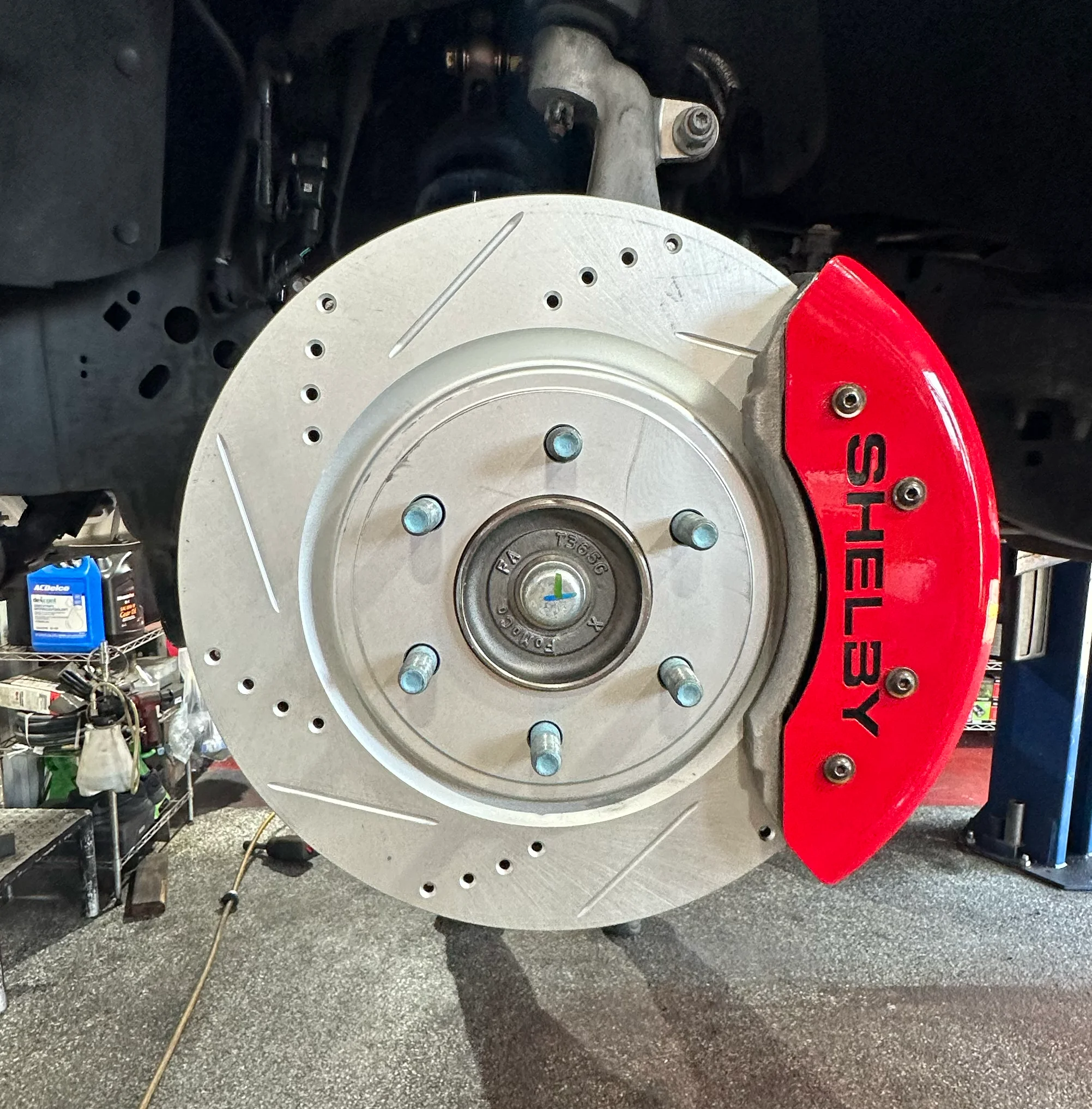
GMC Sierra 1500, Denali, and AT4/AT4X buyer guide - G11H18 drilled and slotted truck rotors, carbon ceramic pads, and fitment for regular towing.
By Slyde Over Team on August 18, 2026
Ford F-250/F-350 Super Duty buyer guide - G11H18 drilled and slotted truck rotors, carbon ceramic pads, and heavy-duty towing fitment for Power Stroke diesel trucks.
By Slyde Over Team on August 18, 2026
Honest comparison for truck owners: Ghost Brakes G11H18 drilled and slotted kits vs PowerStop Z23 for F-150 and Silverado towing duty.
By Slyde Over Team on May 18, 2026
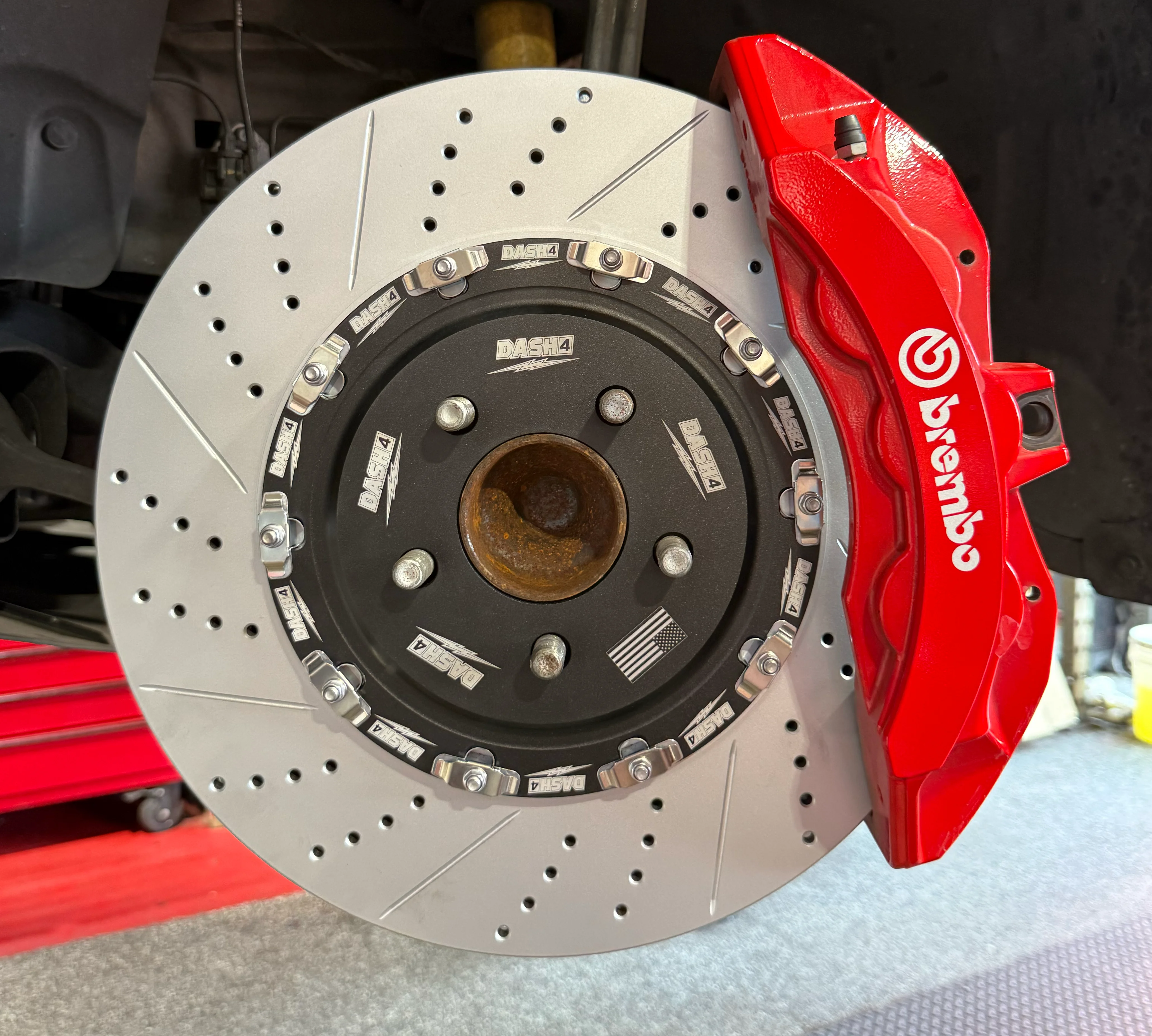
Why OEM Challenger Hellcat, Redeye, and Super Stock brakes fail under serious use - and the Ghost Brakes 2-piece kit that actually matches the Challenger's performance.
By Slyde Over Team on May 18, 2026
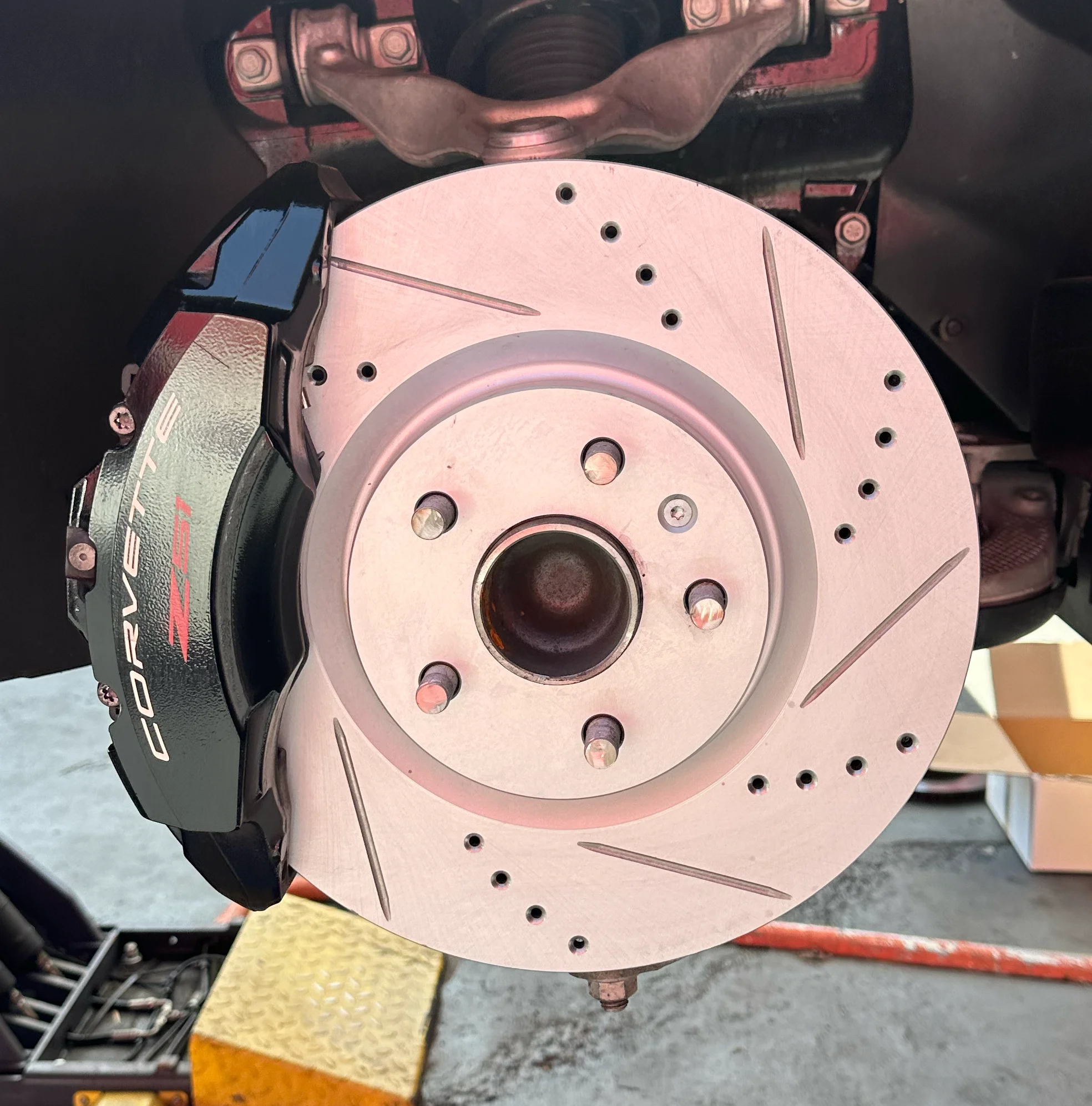
C7 vs C8 brake dynamics, Z06 track-day demands, and the Ghost Brakes kit that handles America's sports car from canyon roads to track days.
By Slyde Over Team on September 30, 2026
RS Q8 777-XE complete kits vs GiroDisc rotor-only pricing — pads included, iron-front fitment.
By Slyde Over Team on September 30, 2026
Compare 777 kit pricing with pads against GiroDisc front+rear rotor pairs for Audi and Euro platforms.
By Slyde Over Team on September 30, 2026
Paragon chassis-coded rotor pairs vs Ghost Brakes 777 complete kits with carbon ceramic pads.

By Slyde Over Team on September 20, 2026
Learn how gasoline engines convert fuel into motion, how inline-four, V6, V8, and flat-boxer layouts differ, and what that means for maintenance, towing, and brake heat at the wheels.

By Slyde Over Team on September 20, 2026
Compare electric motors and gasoline engines—instant torque, efficiency maps, maintenance, towing, cold weather, and how each platform loads your brakes during daily and heavy-use driving.

By Slyde Over Team on September 20, 2026
Understand regenerative braking levels, blending with hydraulic brakes, one-pedal driving, tow-mode behavior, and why EV trucks still need healthy rotors and fluid for long descents.

By Slyde Over Team on September 20, 2026
Compare turbochargers, superchargers, and electric-assisted boost—lag, heat, fuel octane, reliability, and how each setup changes how hard you use brakes and cooling systems.

By Slyde Over Team on September 20, 2026
Compare hybrid, plug-in hybrid, and battery-electric powertrains—fueling, range, maintenance, towing, tax credits, and brake wear patterns so you pick the right platform.

By Slyde Over Team on September 20, 2026
New EV owner checklist—tire care, brake service, coolant for batteries, cabin filters, charging habits, and when friction brake upgrades still make sense.

By Slyde Over Team on September 20, 2026
Compare big-box parts stores and online retailers for brake rotors and pads—core charges, brand selection, fitment help, warranty, and when a specialist like Slyde Over beats a generic shelf kit.

By Slyde Over Team on September 20, 2026
When to buy OEM brake parts vs quality aftermarket kits—dealer pricing, warranty impact, fleet use, and how Ghost Brakes aftermarket compares to Mopar or Ford OEM friction.

By Slyde Over Team on September 20, 2026
Trends shaping aftermarket parts in 2026—e-commerce share, supply chain, EV service, private label growth, and what it means when you shop brake upgrades online.

By Slyde Over Team on September 20, 2026
Checklist to evaluate brake brands—testing claims, coating, kit completeness, warranty, fitment support, and red flags before you trust a pad and rotor with your family.

By Slyde Over Team on September 20, 2026
Compare DTC brake brands and online specialists with AutoZone-style retail—margin, education, fitment, returns, and why Ghost Brakes sells through Slyde Over instead of endcap space.

By Slyde Over Team on September 20, 2026
Side-by-side look at major aftermarket brake brands—product lines, coatings, pad options, muscle vs truck focus, and where Ghost Brakes fits for American trucks and Hellcat-era performance.

By Slyde Over Team on September 20, 2026
Complete tire buying guide—size, load index, speed rating, UTQG, all-terrain vs highway, plus how tire choice pairs with brake upgrades on tow-ready trucks.

By Slyde Over Team on September 20, 2026
Decode tire sidewall markings—metric sizing, load index, speed symbols, DOT dates, M+S vs 3PMSF, and why correct specs matter for trucks, TPMS, and braking stability.

By Slyde Over Team on September 20, 2026
Compare all-season, summer performance, and winter tires—grip, temperature ranges, 3PMSF certification, truck tow use, and stopping distances tied to brake system health.

By Slyde Over Team on September 20, 2026
Measure tread depth, read wear patterns—cupping, feathering, center wear, shoulder wear—and fix causes before you blame tires or brakes for vibration and pull.

By Slyde Over Team on September 20, 2026
EV-specific tires explained—foam liners, low rolling resistance, higher load indices, faster wear, and how extra mass affects brake heat on electric trucks and SUVs.

By Slyde Over Team on September 20, 2026
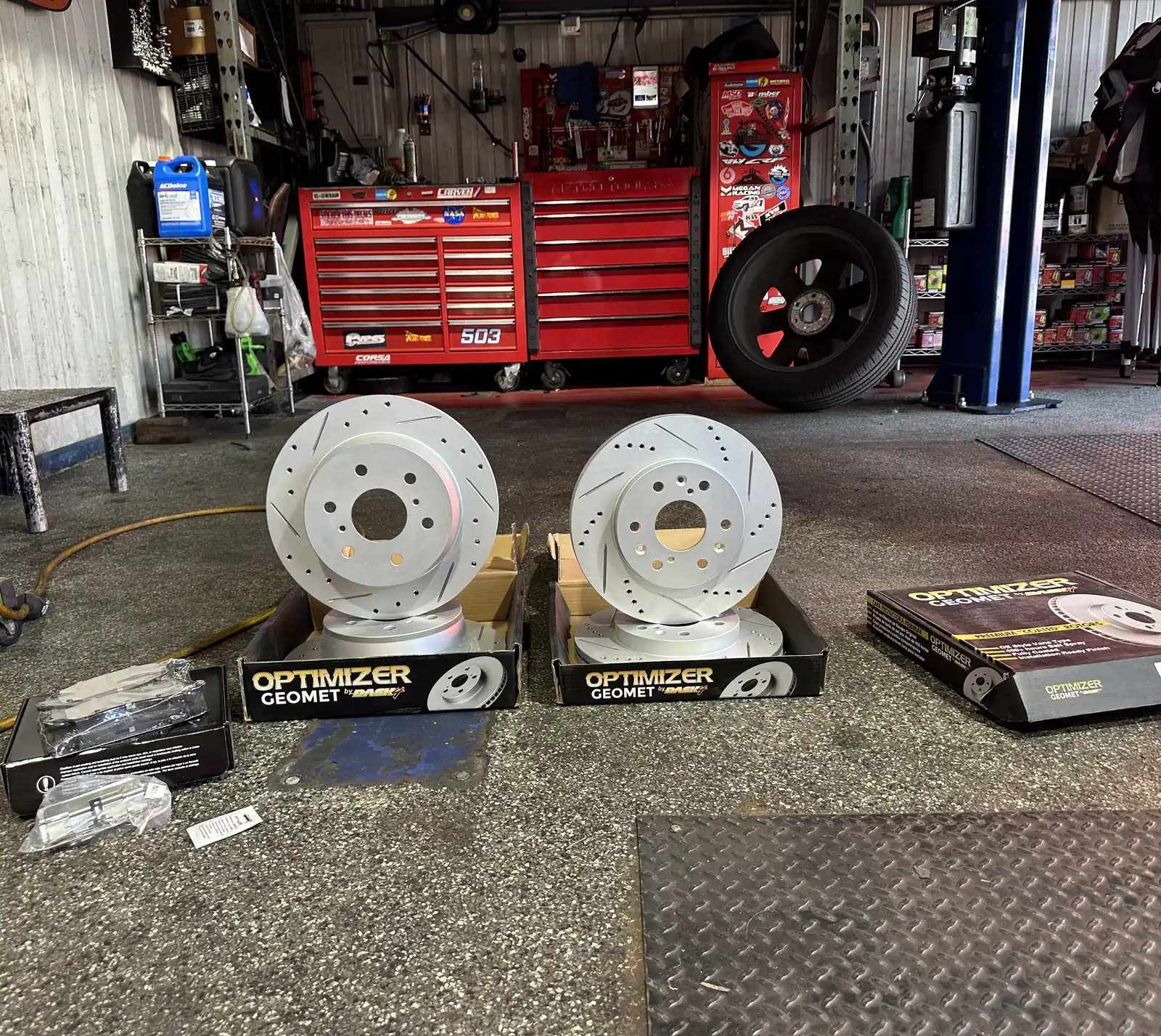
How tires and brakes share load during stops—weight transfer, ABS, tread depth, pad glaze, and why Ghost Brakes matched kits belong in the same conversation as new rubber on tow rigs.
By Slyde Over Team on August 7, 2026
CT5-V Blackwing carbon aero mods done? Upgrade brakes next - Ghost Brakes 2-piece floating rotors for 668 HP V-Series track performance.
By Slyde Over Team on August 7, 2026
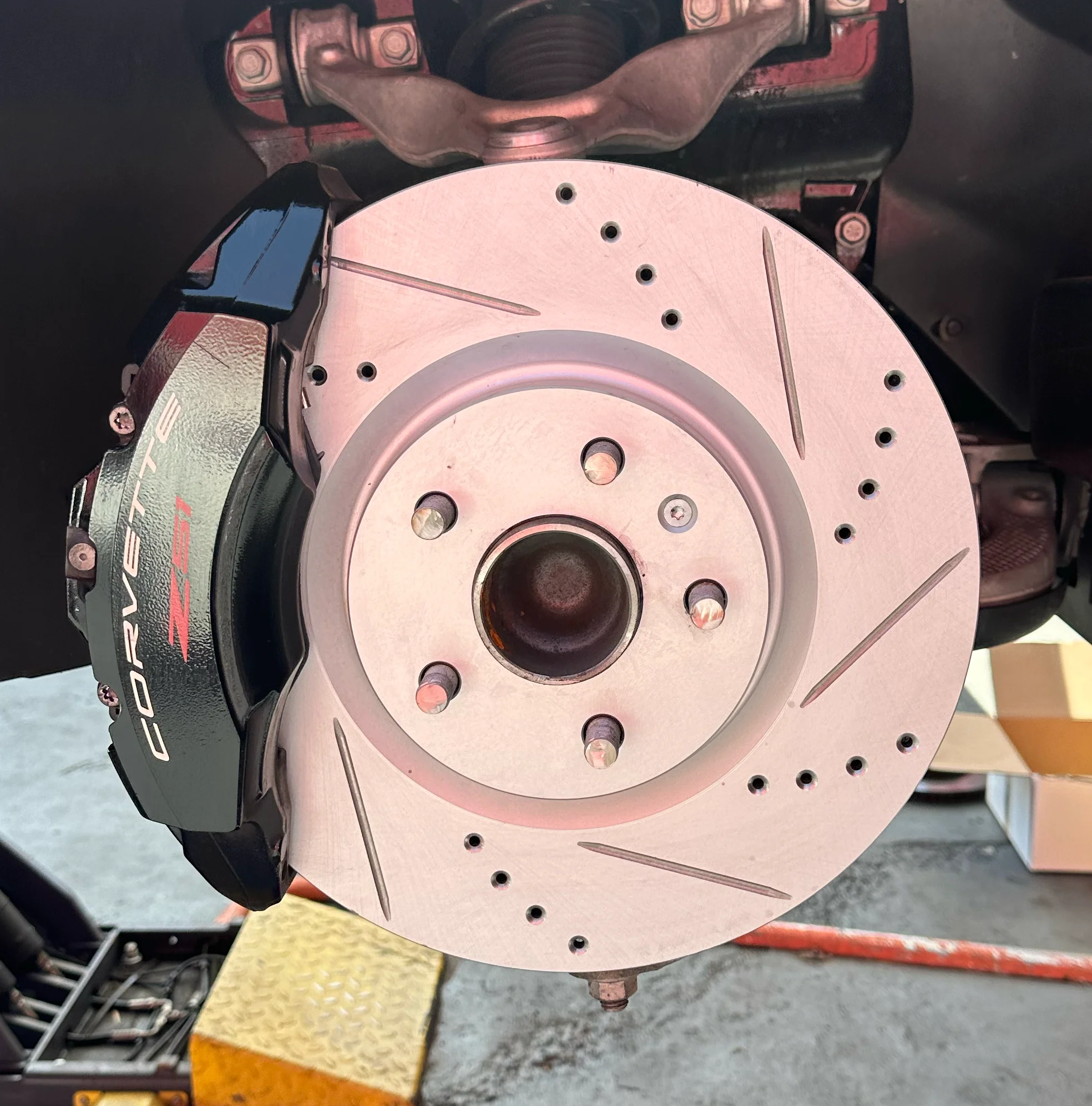
Added Z06 or Z07 carbon aero to your C8? Upgrade brakes next - G3500 2-piece floating rotors for C8 Z06, E-Ray, and ZR1.
By Slyde Over Team on August 7, 2026
Installed ZL1 or 1LE track-package aero on your Camaro? Here is the brake upgrade that matches your new cornering speed.

By Slyde Over Team on July 30, 2026
Complete Kia K5 / Stinger brake upgrade guide - Ghost Brakes G11H18 drilled and slotted rotors with carbon ceramic pads. Bolt-on install, lifetime warranty.

By Slyde Over Team on July 30, 2026
Complete Kia Sportage brake upgrade guide - Ghost Brakes G11H18 drilled and slotted rotors with carbon ceramic pads. Bolt-on install, lifetime warranty.

By Slyde Over Team on July 30, 2026
Complete Kia Telluride brake upgrade guide - Ghost Brakes G11H18 drilled and slotted rotors with carbon ceramic pads. Bolt-on install, lifetime warranty.

By Slyde Over Team on July 30, 2026
Complete Audi S4 / RS5 brake upgrade guide - Ghost Brakes G11H18 drilled and slotted rotors with carbon ceramic pads. Bolt-on install, lifetime warranty.

By Slyde Over Team on July 30, 2026
Complete Audi Q5 / SQ5 brake upgrade guide - Ghost Brakes G11H18 drilled and slotted rotors with carbon ceramic pads. Bolt-on install, lifetime warranty.

By Slyde Over Team on July 30, 2026
Complete Audi A4 / S4 brake upgrade guide - Ghost Brakes G11H18 drilled and slotted rotors with carbon ceramic pads. Bolt-on install, lifetime warranty.

By Slyde Over Team on July 30, 2026
Complete Mercedes GLE brake upgrade guide - Ghost Brakes G11H18 drilled and slotted rotors with carbon ceramic pads. Bolt-on install, lifetime warranty.

By Slyde Over Team on July 30, 2026
Complete Mercedes E-Class brake upgrade guide - Ghost Brakes G11H18 drilled and slotted rotors with carbon ceramic pads. Bolt-on install, lifetime warranty.

By Slyde Over Team on July 30, 2026
Complete Mercedes C-Class brake upgrade guide - Ghost Brakes G11H18 drilled and slotted rotors with carbon ceramic pads. Bolt-on install, lifetime warranty.

By Slyde Over Team on July 30, 2026
Complete Porsche Macan brake upgrade guide - Ghost Brakes G11H18 drilled and slotted rotors with carbon ceramic pads. Bolt-on install, lifetime warranty.

By Slyde Over Team on July 30, 2026
Complete Acura Integra Type S brake upgrade guide - Ghost Brakes G11H18 drilled and slotted rotors with carbon ceramic pads. Bolt-on install, lifetime warranty.

By Slyde Over Team on July 30, 2026
Complete BMW M2 brake upgrade guide - Ghost Brakes G11H18 drilled and slotted rotors with carbon ceramic pads. Bolt-on install, lifetime warranty.

By Slyde Over Team on July 30, 2026
Complete Lexus IS / RC F brake upgrade guide - Ghost Brakes G11H18 drilled and slotted rotors with carbon ceramic pads. Bolt-on install, lifetime warranty.

By Slyde Over Team on July 30, 2026
Complete Nissan Z brake upgrade guide - Ghost Brakes G11H18 drilled and slotted rotors with carbon ceramic pads. Bolt-on install, lifetime warranty.

By Slyde Over Team on July 30, 2026
Complete Subaru WRX brake upgrade guide - Ghost Brakes G11H18 drilled and slotted rotors with carbon ceramic pads. Bolt-on install, lifetime warranty.

By Slyde Over Team on July 30, 2026
Complete Honda Civic Type R brake upgrade guide - Ghost Brakes G11H18 drilled and slotted rotors with carbon ceramic pads. Bolt-on install, lifetime warranty.

By Slyde Over Team on July 30, 2026
Complete Toyota 4Runner TRD brake upgrade guide - Ghost Brakes G11H18 drilled and slotted rotors with carbon ceramic pads. Bolt-on install, lifetime warranty.
By Slyde Over Team on July 30, 2026
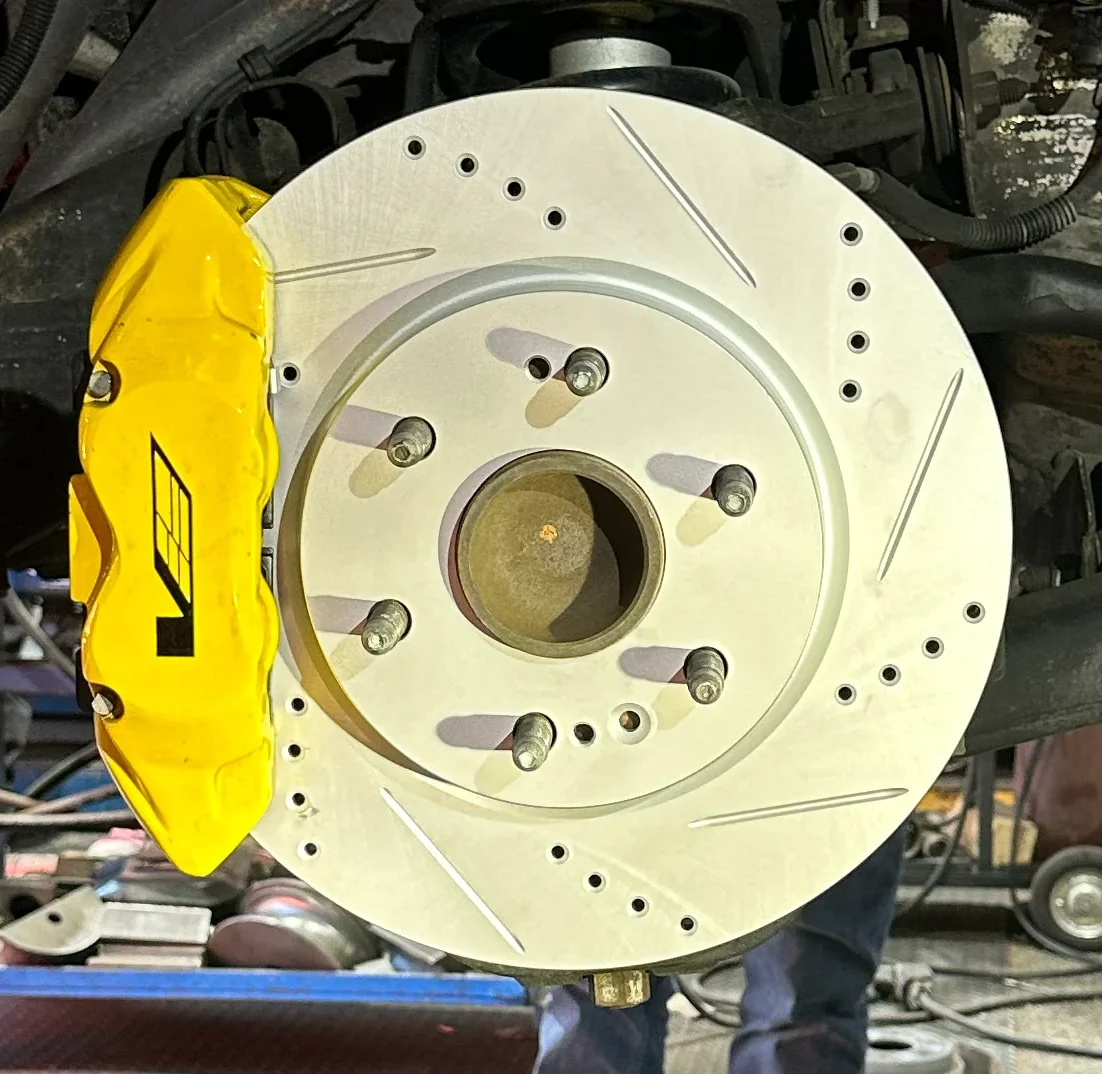
Complete Cadillac Escalade brake upgrade guide - Ghost Brakes G11H18 drilled and slotted rotors with carbon ceramic pads. Bolt-on install, lifetime warranty.
By Slyde Over Team on July 30, 2026
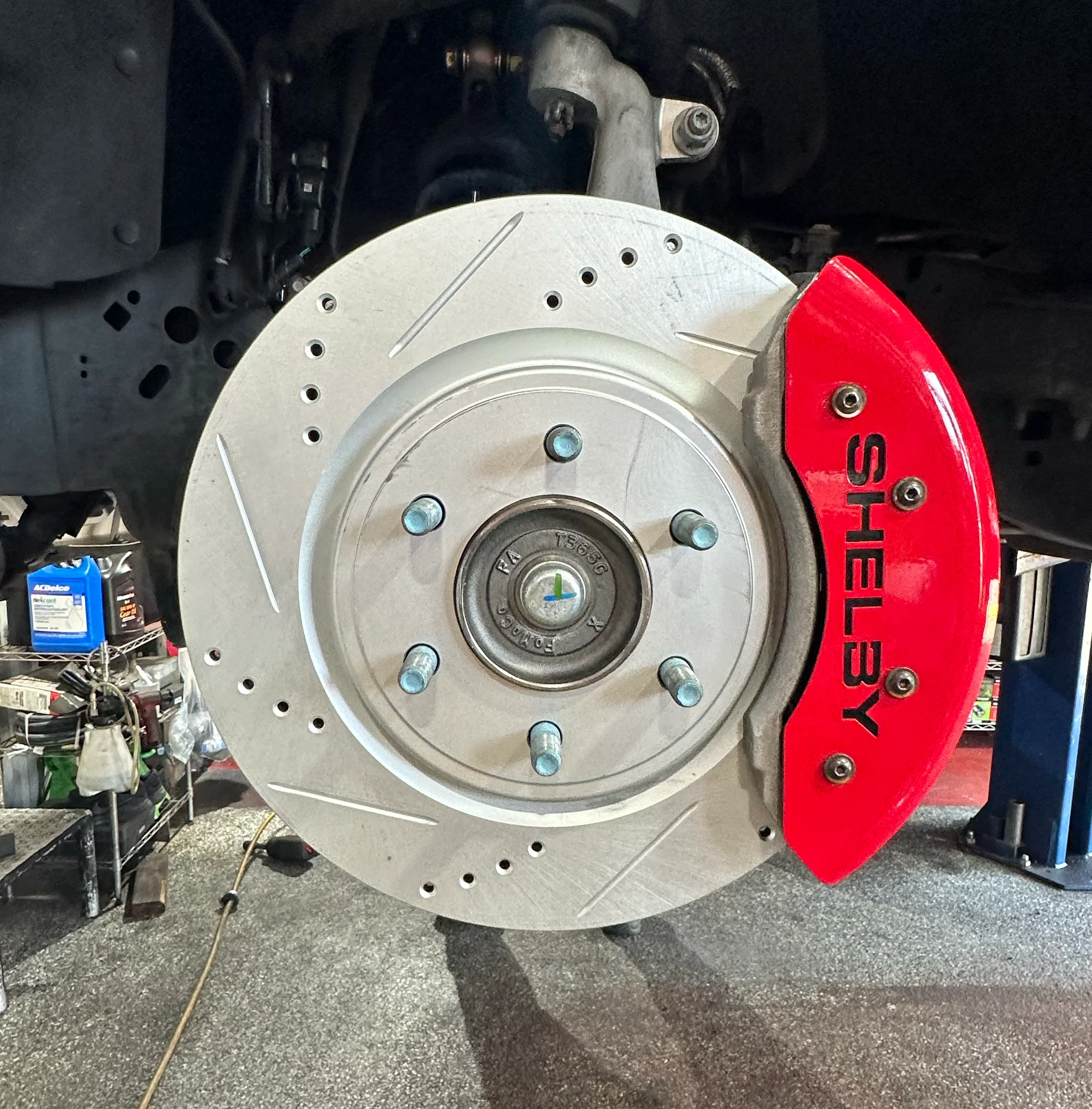
Complete Lincoln Navigator brake upgrade guide - Ghost Brakes G11H18 drilled and slotted rotors with carbon ceramic pads. Bolt-on install, lifetime warranty.
By Slyde Over Team on July 30, 2026
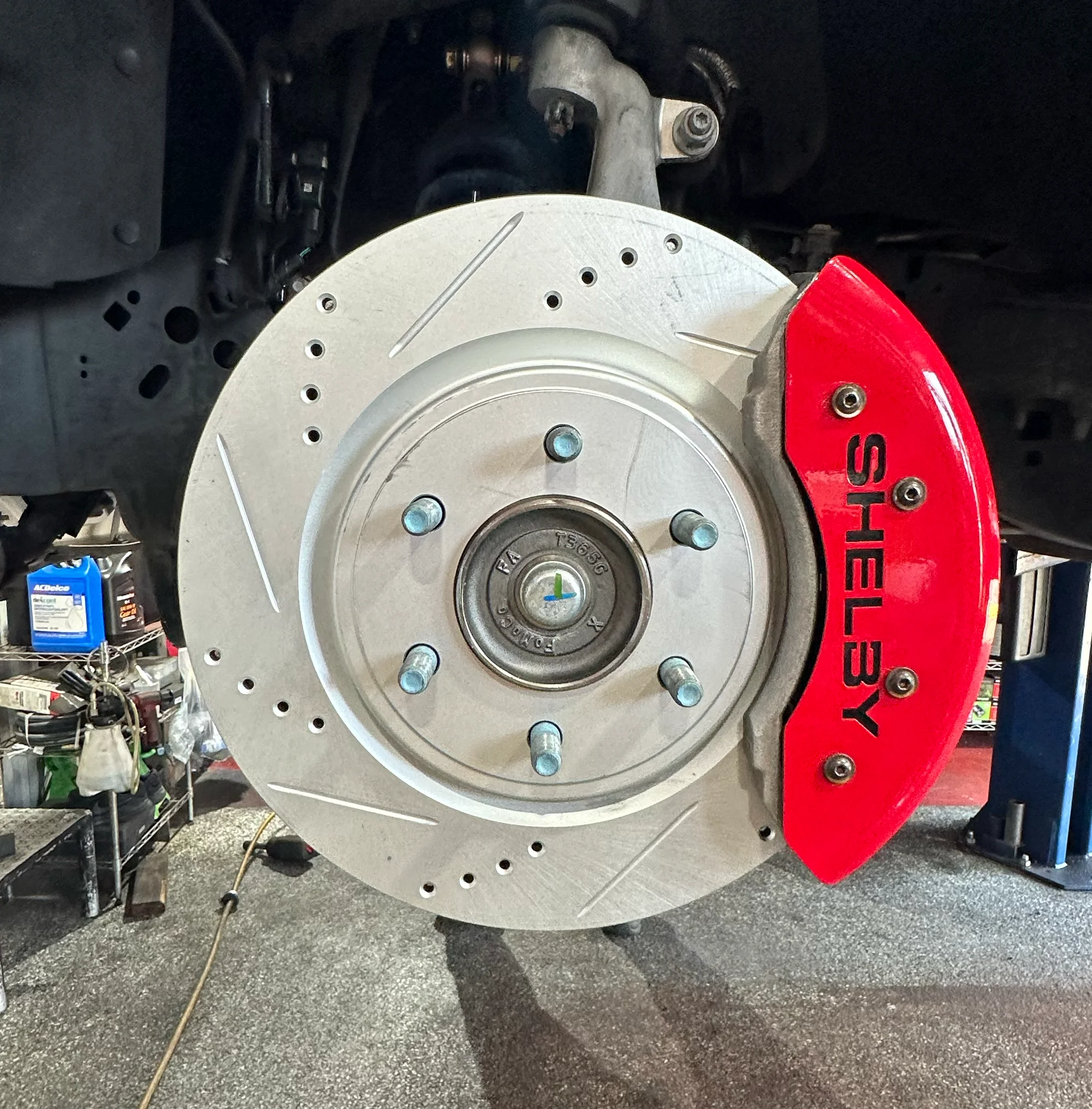
Complete Ford Expedition brake upgrade guide - Ghost Brakes G11H18 drilled and slotted rotors with carbon ceramic pads. Bolt-on install, lifetime warranty.
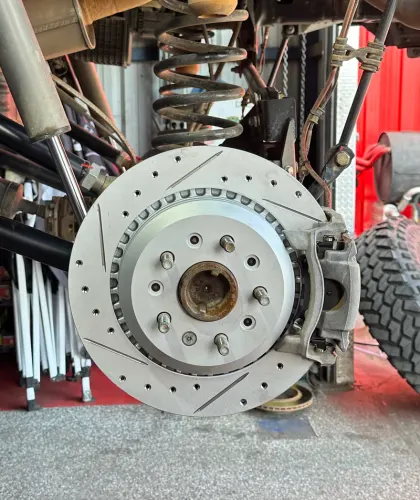
By Slyde Over Team on July 30, 2026
Complete Jeep Wrangler JL and Gladiator JT off-road maintenance schedule - oil, diffs, brakes, tires, and inspection intervals for 35"+ trail use.
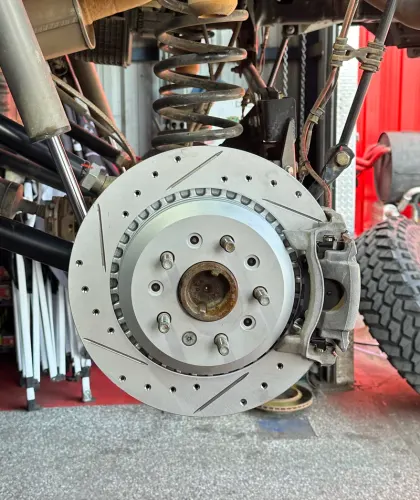
By Slyde Over Team on July 30, 2026
Serpentine belt inspection and replacement guide for Jeep Wrangler JL and Gladiator JT - wear symptoms, interval, and what a squeal means on a trail rig.
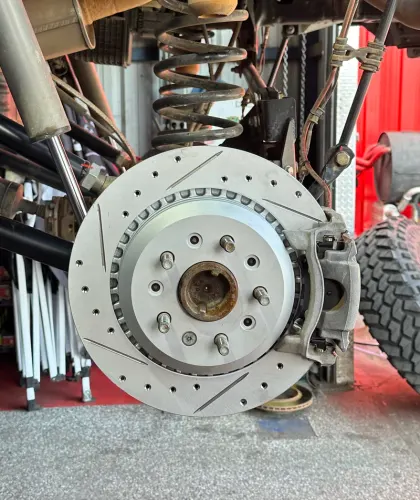
By Slyde Over Team on July 30, 2026
Jeep Wrangler JL and Gladiator JT battery replacement and electrical guide - group size, dual-battery setups for winches, and signs of a failing battery on trai
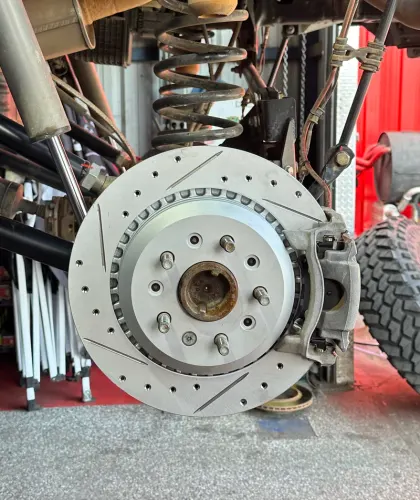
By Slyde Over Team on July 30, 2026
Jeep Wrangler and Gladiator tire rotation interval and wear pattern guide for 35"+ off-road tires - rotation patterns, alignment checks, and trail wear symptoms
By Slyde Over Team on July 30, 2026
Jeep Wrangler and Gladiator sway bar disconnect and suspension inspection guide - electronic Rubicon disconnect, manual setups, and 35"+ tire considerations.
By Slyde Over Team on July 30, 2026
Jeep Wrangler JL and Gladiator JT differential and transfer case fluid service - specs, intervals, and why off-road use with 35"+ tires demands shorter service.
By Slyde Over Team on July 30, 2026
Complete Jeep Gladiator JT oil change guide for 3.6L Pentastar and 3.0L EcoDiesel engines. Correct oil type, capacity, filter, and severe-duty interval for towi
By Slyde Over Team on July 30, 2026
Complete Jeep Wrangler JL oil change guide for 3.6L Pentastar and 2.0L Turbo engines. Correct oil type, capacity, filter, and severe-duty interval for off-road
By Slyde Over Team on July 30, 2026
Complete Toyota Tundra and Tacoma TRD maintenance schedule - oil, fluids, filters, brakes, and inspection intervals for towing and off-road use.
By Slyde Over Team on July 30, 2026
Serpentine belt and alternator inspection guide for Toyota Tundra and Tacoma - wear symptoms, interval, and what a squeal usually means.
By Slyde Over Team on July 30, 2026
Toyota Tundra and Tacoma battery replacement guide - correct group size, i-FORCE MAX hybrid considerations, and signs of a failing battery.
By Slyde Over Team on July 30, 2026
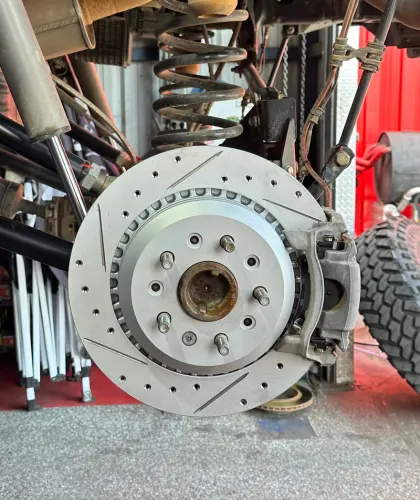
Toyota TRD Pro Fox shock inspection and service guide for Tundra and Tacoma - symptoms of wear, fluid checks, and why off-road use shortens the interval.
By Slyde Over Team on July 30, 2026
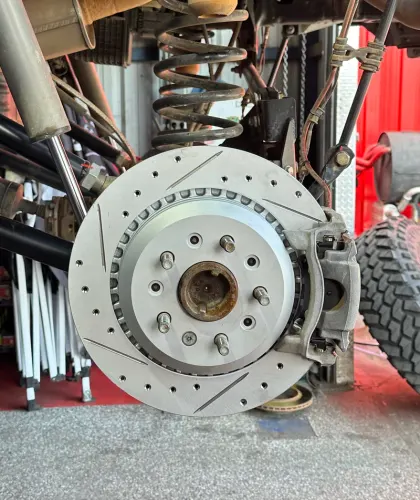
Toyota Tundra and Tacoma TRD tire rotation interval and wear pattern guide - why towing, payload, and off-road use each wear tires differently.
By Slyde Over Team on July 30, 2026
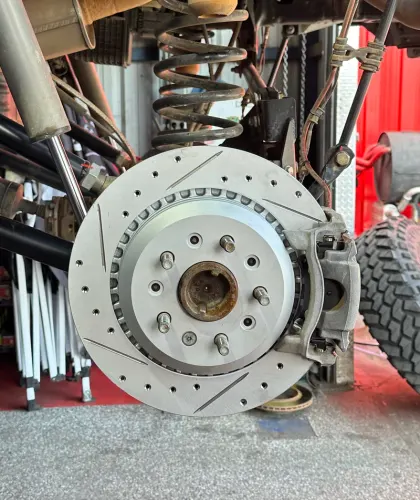
Toyota Tundra and Tacoma TRD 4x4 transfer case and differential fluid service - spec, interval, and why off-road and towing use both shorten it.
By Slyde Over Team on July 30, 2026
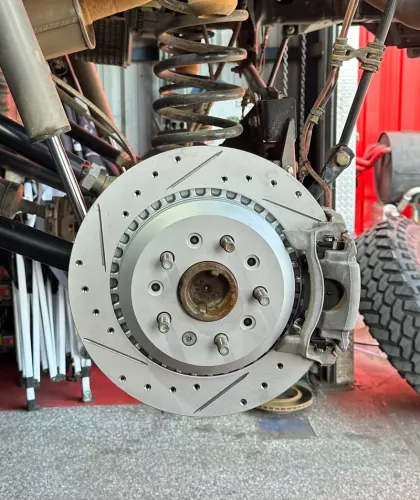
Toyota Tacoma TRD Pro and Off-Road oil change guide for 4th-gen 2.4L turbo and 3rd-gen V6 engines. Oil type, capacity, filter, and off-road interval.
By Slyde Over Team on July 30, 2026
Complete Toyota Tundra oil change guide for 3.5L twin-turbo and i-FORCE MAX hybrid engines. Correct oil type, capacity, filter, and severe-duty interval for tow

By Slyde Over Team on July 30, 2026
Ghost Brakes vs DBA Disc Brakes Australia - compare 2-piece rotor technology, pad options, GEOMET coating, and fitment for American muscle and trucks.

By Slyde Over Team on July 30, 2026
Ghost Brakes 2-piece floating kits vs Baer Brakes Pro+ and Eradispeed - rotor technology, install complexity, and fitment for American muscle.

By Slyde Over Team on July 30, 2026
Ghost Brakes bolt-on 2-piece kits vs Wilwood big brake kits - rotor architecture, caliper requirements, and which fits your muscle car or truck.

By Slyde Over Team on July 30, 2026
Ghost Brakes complete 2-piece brake kits vs Hawk Performance pad-focused upgrades - rotor architecture, compounds, and recommendations.

By Slyde Over Team on July 30, 2026
Ghost Brakes 2-piece rotors vs Brembo OEM and aftermarket kits - rotor construction, pad compounds, pricing, and fitment for Hellcat, Z06, and ZL1.
By Slyde Over Team on July 30, 2026
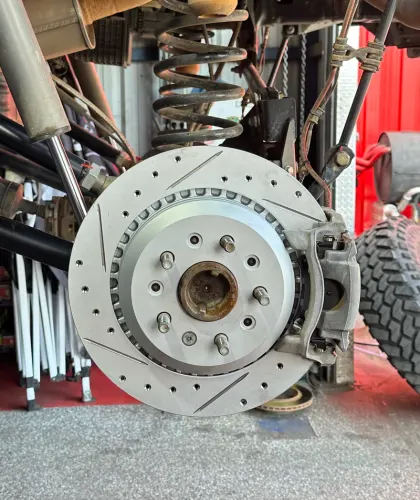
Complete Corvette Z06 maintenance schedule for C7 LT4 and C8 LT6. Oil, DCT, diff, brakes, and track prep.
By Slyde Over Team on July 30, 2026
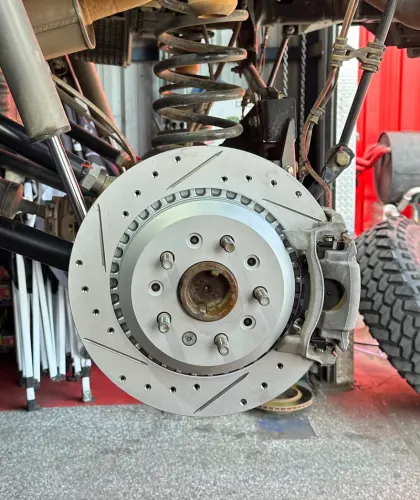
Corvette Z06 battery guide for C7 and C8. AGM group size, frunk access on C8, and pre-track checks.
By Slyde Over Team on July 30, 2026
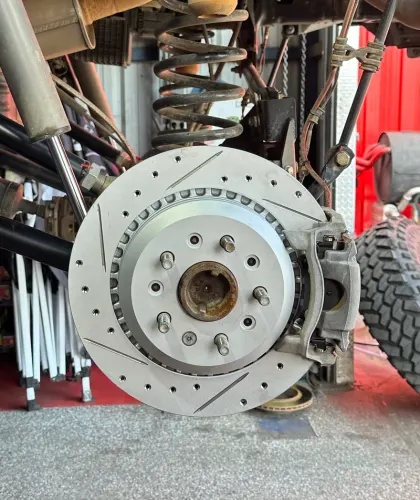
Corvette Z06 track alignment and tire guide for C7 and C8. Camber, toe, and hot tire pressures for HPDE.
By Slyde Over Team on July 30, 2026
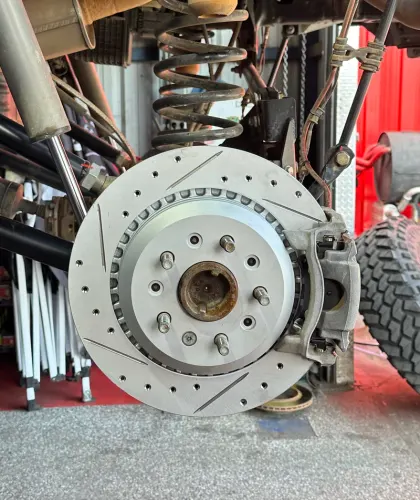
Corvette Z06 spark plug replacement for C7 LT4 and C8 LT6. Factory interval and misfire symptoms under load.
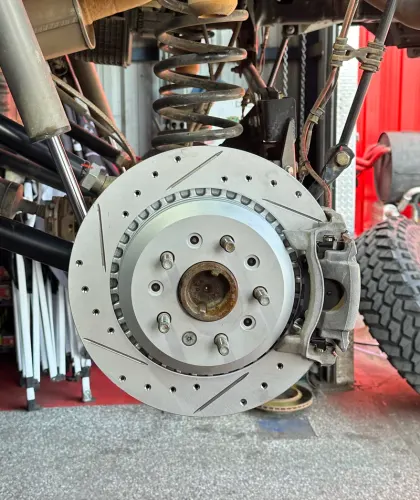
By Slyde Over Team on July 30, 2026
Corvette Z06 brake fluid flush guide for C7 and C8. Racing DOT 4, Brembo bleed procedure, and track tips.
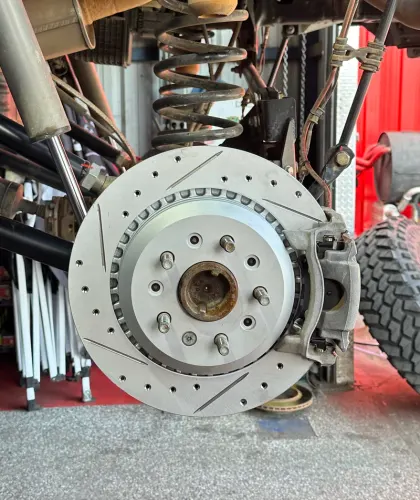
By Slyde Over Team on July 30, 2026
Corvette Z06 rear differential fluid service for C7 and C8. eLSD fluid spec, interval, and track maintenance.
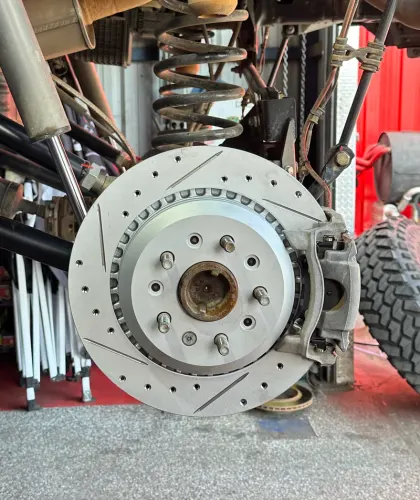
By Slyde Over Team on July 30, 2026
Corvette Z06 transmission fluid service for C8 DCT and C7 TR6060 manual. Fluid spec and track-day tips.
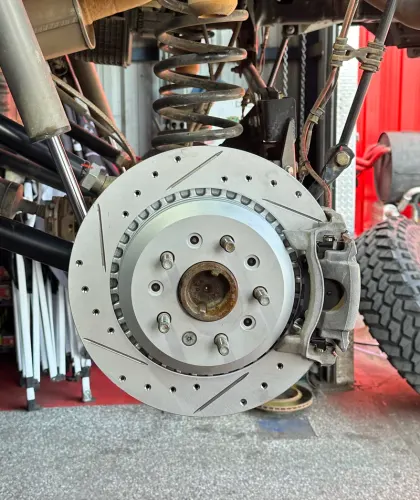
By Slyde Over Team on July 30, 2026
Complete Corvette Z06 oil change guide for C7 LT4 and C8 Z06 LT6. Dry-sump service, capacity, and track interval.
By Slyde Over Team on July 30, 2026
Complete Camaro ZL1 maintenance schedule for street and track use. Oil, trans, diff, brakes, and seasonal prep intervals.
By Slyde Over Team on July 30, 2026
Camaro ZL1 battery replacement guide. Correct group size, AGM vs flooded, and pre-track electrical checks.
By Slyde Over Team on July 30, 2026
Camaro ZL1 track alignment and tire pressure guide. Recommended camber, toe, and hot pressures for HPDE.
By Slyde Over Team on July 30, 2026
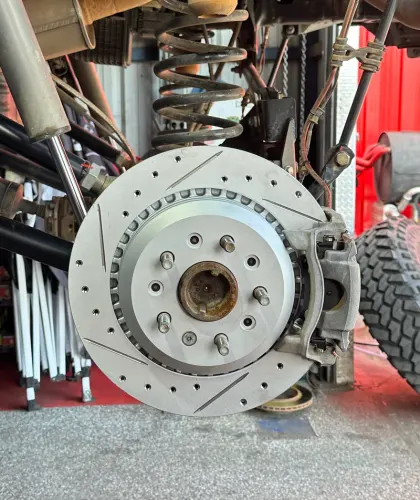
Camaro ZL1 LT4 spark plug and ignition coil replacement guide. Factory interval, heat range, and misfire symptoms.
By Slyde Over Team on July 30, 2026
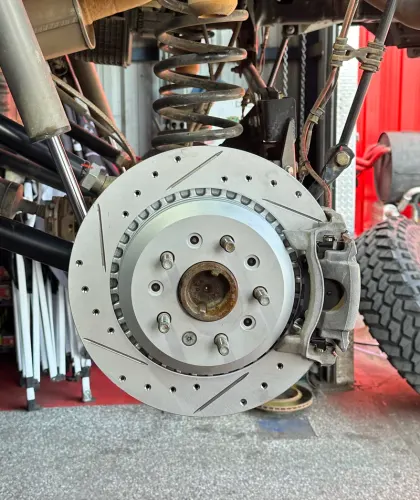
Camaro ZL1 brake fluid flush guide for street and track. When to upgrade to DOT 4 racing fluid and bleed Brembo calipers.
By Slyde Over Team on July 30, 2026
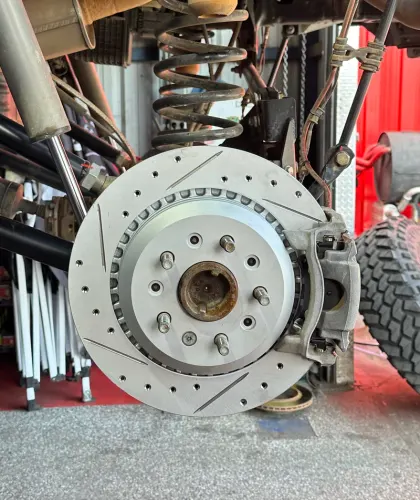
Camaro ZL1 rear differential fluid service guide. Fluid spec for the limited-slip MRC diff and track-day maintenance.
By Slyde Over Team on July 30, 2026
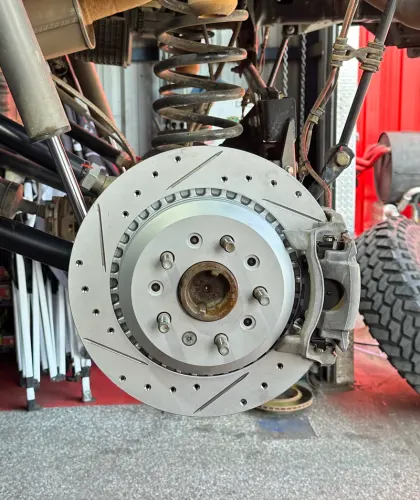
Camaro ZL1 transmission fluid service for 10L90 automatic and TR6060 manual. Fluid spec, interval, and track use tips.
By Slyde Over Team on July 30, 2026
Complete Camaro ZL1 oil change guide for the supercharged LT4. Correct Dexos oil spec, capacity, filter, and track-day interval.
By Slyde Over Team on July 29, 2026
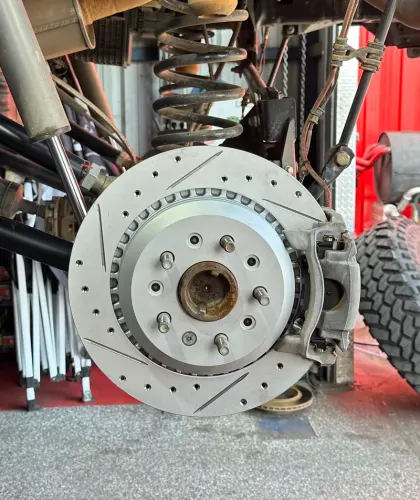
Serpentine belt and alternator inspection guide for Ram 1500 and 2500 - wear symptoms, interval, and what a squeal usually means.
By Slyde Over Team on July 29, 2026
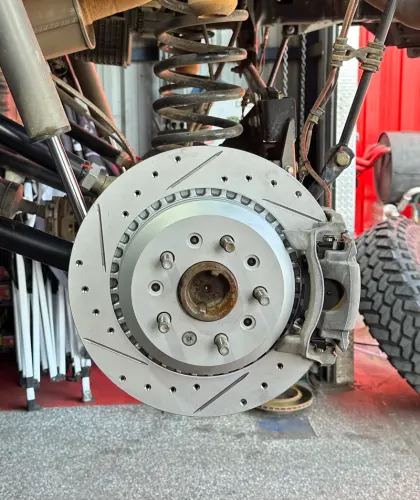
Ram 1500 and 2500 battery replacement guide - correct group size, dual-battery diesel setups, and signs of a failing battery.
By Slyde Over Team on July 29, 2026
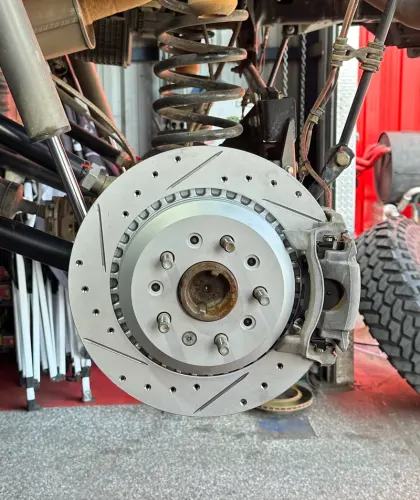
Ram 1500 and 2500 tire rotation interval and wear pattern guide - why towing, payload, and off-road use each wear tires differently.
By Slyde Over Team on July 29, 2026
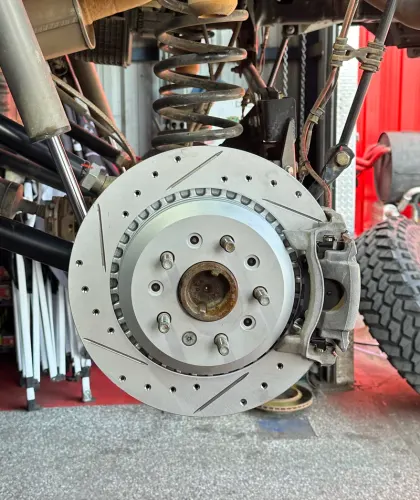
Ram 1500 and 2500 4x4 transfer case and front differential fluid service - spec, interval, and why off-road and towing use both shorten it.
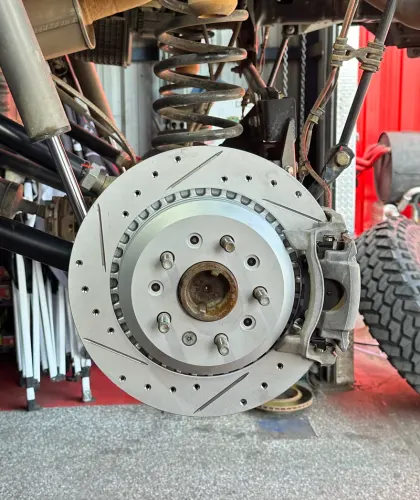
By Slyde Over Team on July 29, 2026
Pre-tow checklist for Ram 2500 - brakes, cooling system, hitch, tires, and trailer brake controller before a heavy pull.
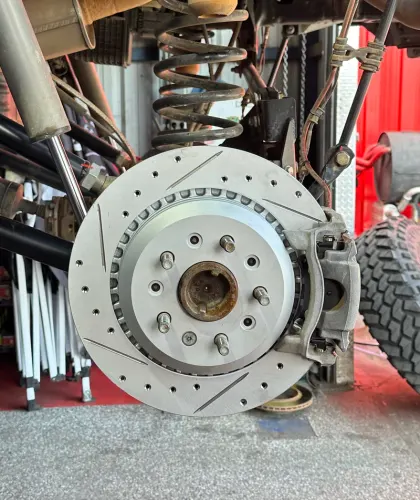
By Slyde Over Team on July 29, 2026
Ram 2500 6.7L Cummins diesel fuel filter and DEF service guide - interval, symptoms of a clogged filter, and DEF fluid basics.
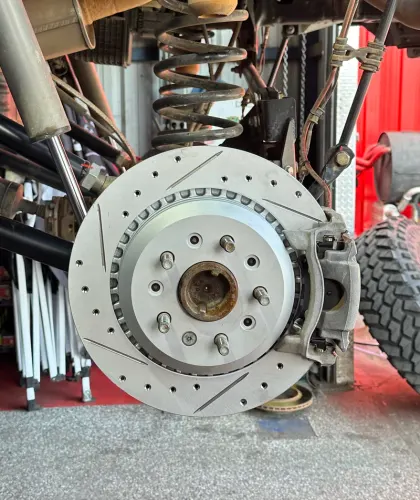
By Slyde Over Team on July 29, 2026
Ram 1500 four-corner air suspension guide - common faults, ride height issues, and inspection tips for load-leveling and off-road modes.
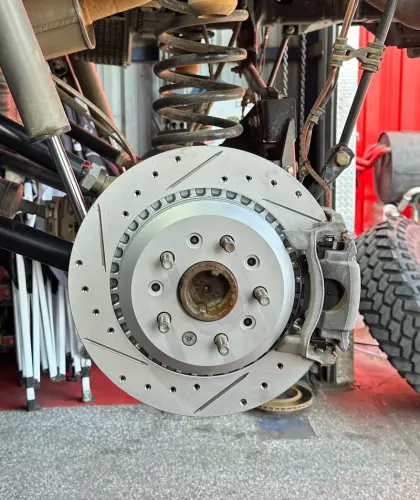
By Slyde Over Team on July 29, 2026
Ram 1500 oil change guide for Pentastar V6 and eTorque V8 engines - correct oil type, capacity, filter, and severe-duty interval.
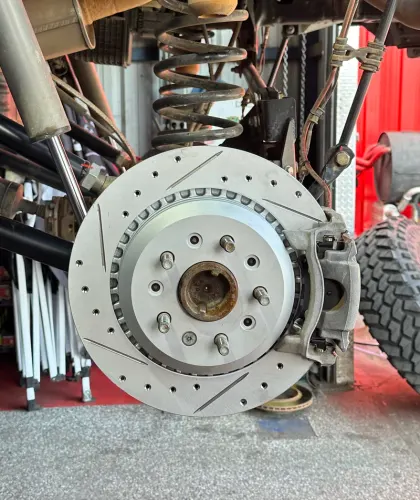
By Slyde Over Team on July 29, 2026
Cabin and engine air filter replacement guide for GMC Yukon and Sierra - interval and symptoms of a clogged filter, including AT4X off-road use.
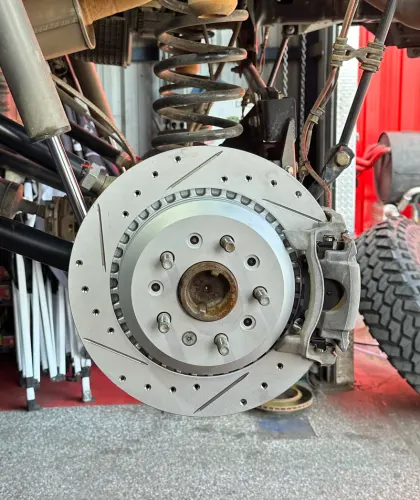
By Slyde Over Team on July 29, 2026
Serpentine belt and alternator inspection guide for GMC Sierra - wear symptoms, interval, and what a squeal usually means.
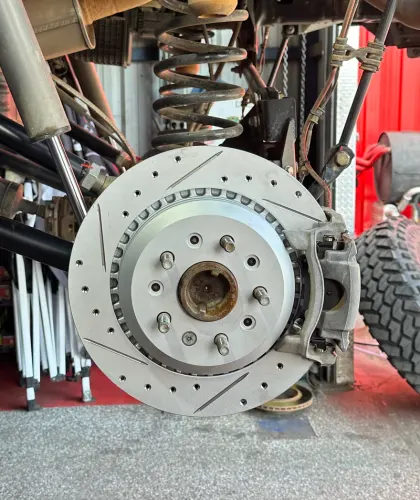
By Slyde Over Team on July 29, 2026
GMC Sierra battery replacement guide - correct group size, dual-battery diesel setups, and signs of a failing battery or alternator.
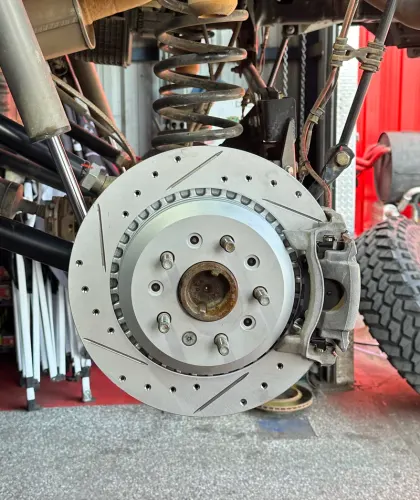
By Slyde Over Team on July 29, 2026
Pre-tow checklist for GMC Yukon and Yukon XL - brakes, cooling system, hitch, tires, and trailer brake controller before a long haul.
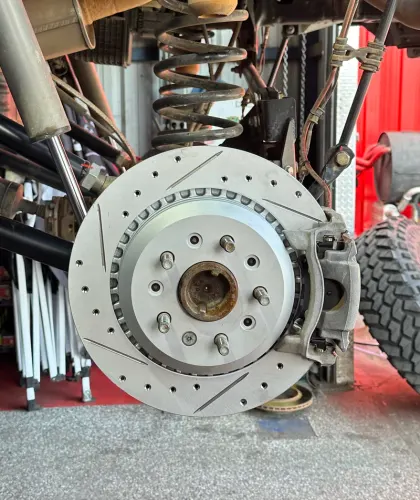
By Slyde Over Team on July 29, 2026
GMC Yukon and Yukon XL Denali air ride/adaptive suspension guide - common faults, ride height issues, and inspection tips.
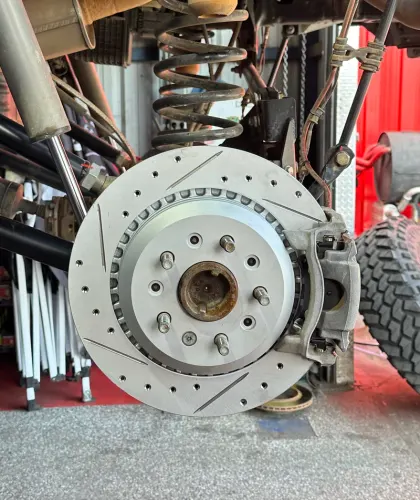
By Slyde Over Team on July 29, 2026
Sierra AT4X and Denali tire rotation interval and wear pattern guide - how off-road tires and towing loads wear differently.
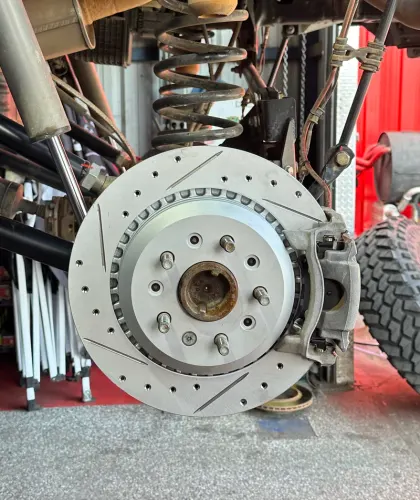
By Slyde Over Team on July 29, 2026
GMC Sierra AT4/AT4X 4x4 transfer case and front differential fluid service - spec, interval, and why off-road use shortens it.
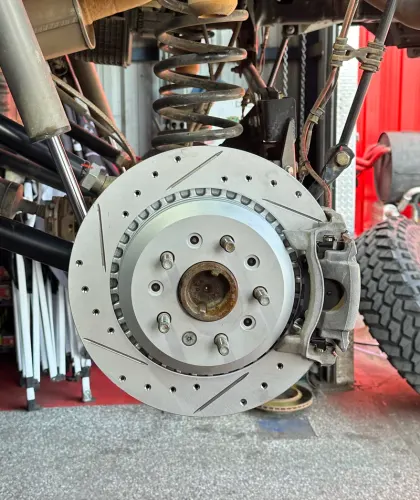
By Slyde Over Team on July 29, 2026
GMC Sierra MultiPro tailgate maintenance guide - hinge lubrication, sensor cleaning, and troubleshooting common panel and latch issues.
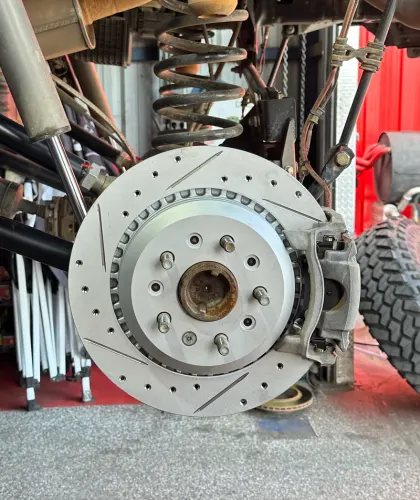
By Slyde Over Team on July 29, 2026
GMC Sierra automatic transmission fluid service guide - fluid spec, realistic interval, and why AT4 off-road and Denali towing add heat load.
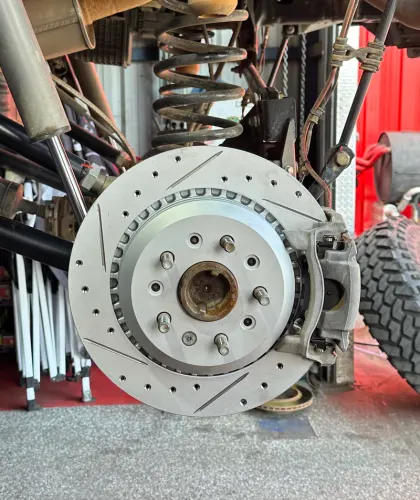
By Slyde Over Team on July 29, 2026
GMC Sierra Denali and AT4 oil change guide - dexos1 oil spec, capacity by engine, and why AT4X off-road use shortens the interval.
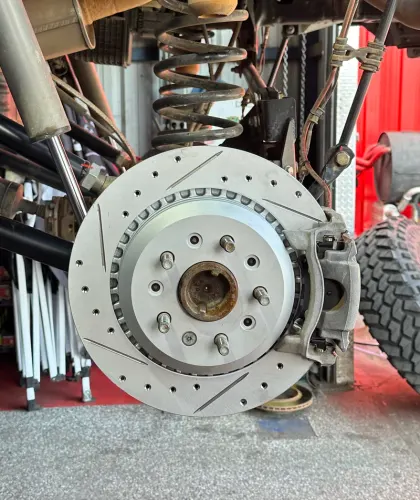
By Slyde Over Team on July 29, 2026
Cabin and engine air filter replacement guide for Chevy Silverado, Tahoe, and Suburban - interval and symptoms of a clogged filter.
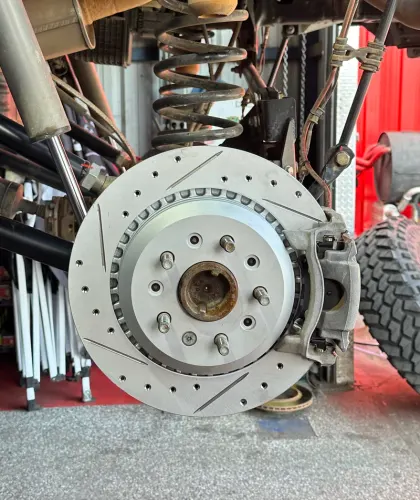
By Slyde Over Team on July 29, 2026
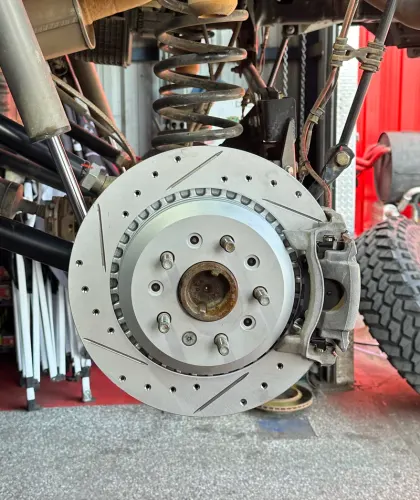
Serpentine belt and alternator inspection guide for Chevy Silverado - wear symptoms, interval, and what a squeal usually means.
By Slyde Over Team on July 29, 2026
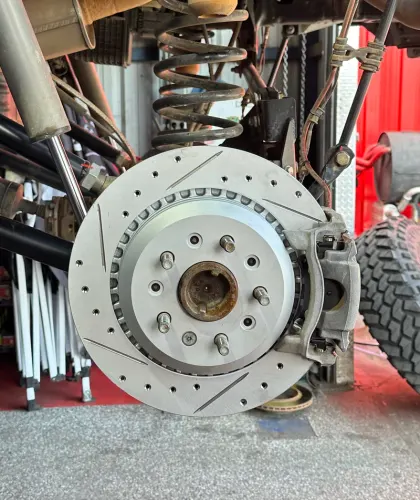
Chevy Silverado battery replacement guide - correct group size, dual-battery diesel setups, and signs of a failing battery or alternator.
By Slyde Over Team on July 29, 2026
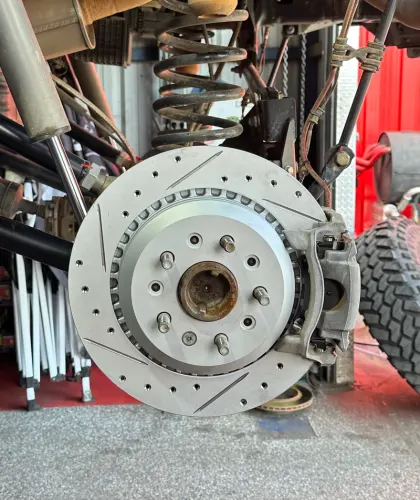
Pre-tow checklist for Chevy Tahoe and Suburban - brakes, cooling system, hitch, tires, and trailer brake controller before a long haul.
By Slyde Over Team on July 29, 2026
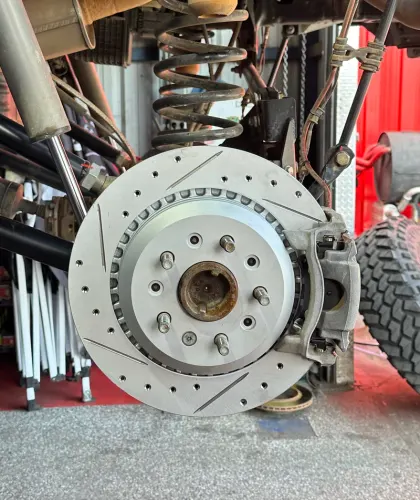
Chevy Tahoe and Suburban air ride/auto-leveling suspension guide - common faults, ride height issues, and inspection tips.
By Slyde Over Team on July 29, 2026
Silverado tire rotation interval and wear pattern guide - why towing and payload wear tires differently, and when to check alignment.
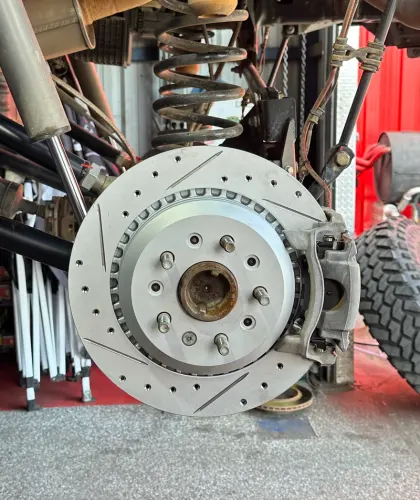
By Slyde Over Team on July 29, 2026
Chevy Silverado 4x4 transfer case and front differential fluid service - spec, interval, and why off-road and towing use both shorten it.
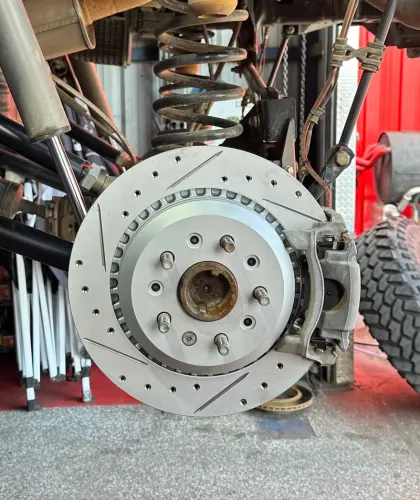
By Slyde Over Team on July 29, 2026
Silverado and Sierra Duramax diesel fuel filter service guide - interval, symptoms of a clogged filter, and water-in-fuel warnings.
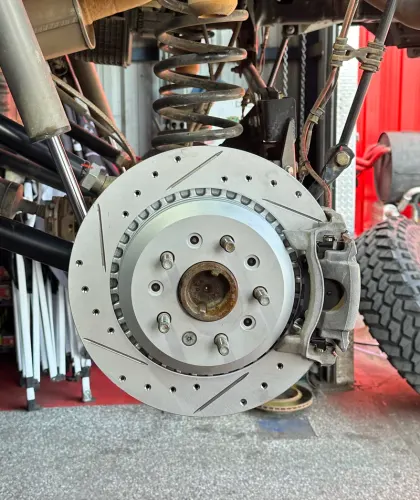
By Slyde Over Team on July 29, 2026
Silverado 1500 automatic transmission fluid service guide - fluid spec, realistic interval, and why towing shortens the service window.
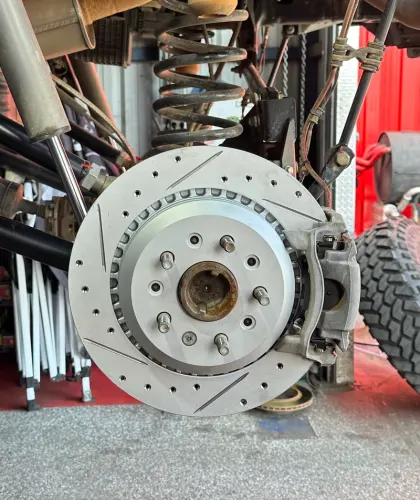
By Slyde Over Team on July 29, 2026
Chevy Silverado 1500 oil change guide for EcoTec3 V6/V8 engines - correct oil type, capacity, filter, and severe-duty interval.
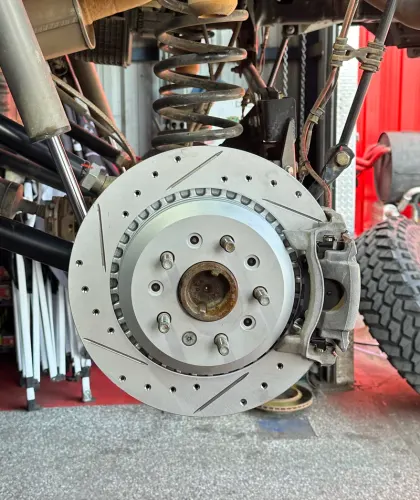
By Slyde Over Team on July 29, 2026
Cabin and engine air filter replacement guide for Ford F-150 and Super Duty - interval, symptoms of a clogged filter, and off-road considerations.
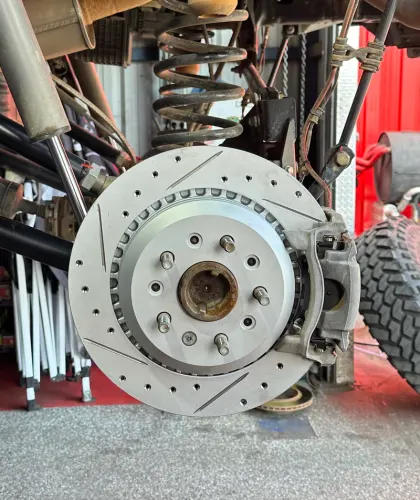
By Slyde Over Team on July 29, 2026
Serpentine belt and alternator inspection guide for Ford F-150 and Super Duty - wear symptoms, interval, and what a squeal usually means.
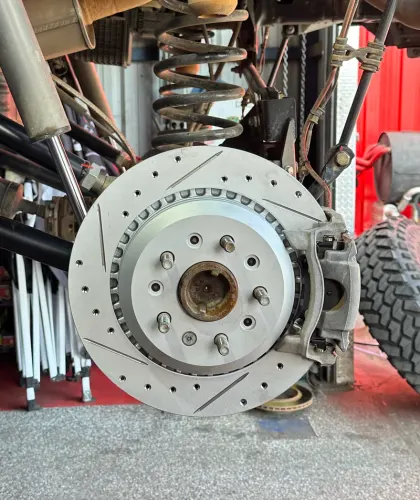
By Slyde Over Team on July 29, 2026
Ford F-150 and Super Duty battery replacement guide - correct group size, dual-battery diesel setups, and signs of a failing battery.
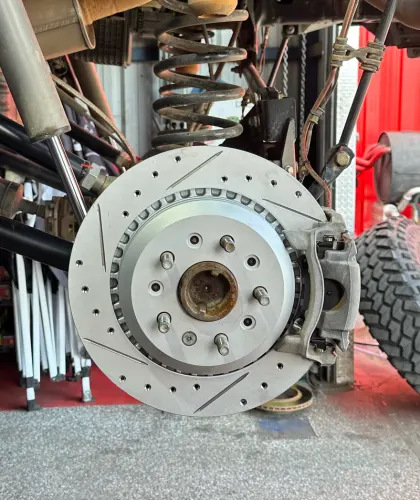
By Slyde Over Team on July 29, 2026
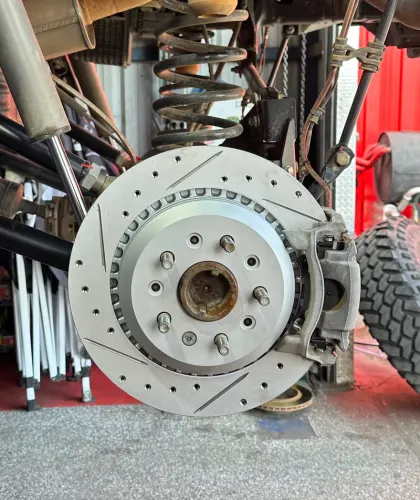
Raptor Fox Live Valve shock inspection and service guide - symptoms of wear, fluid checks, and why desert running shortens the interval.
By Slyde Over Team on July 29, 2026
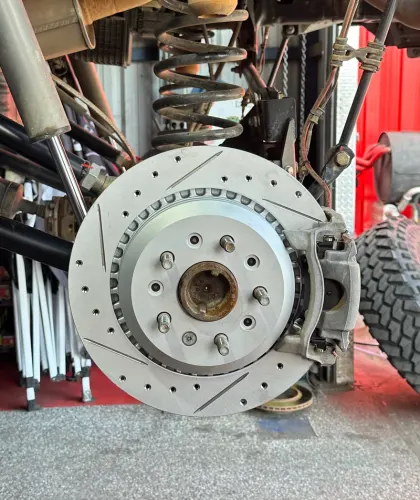
Pre-tow checklist for Ford Super Duty (F-250/F-350) - brakes, cooling system, hitch, tires, and trailer brake controller before a heavy pull.
By Slyde Over Team on July 29, 2026
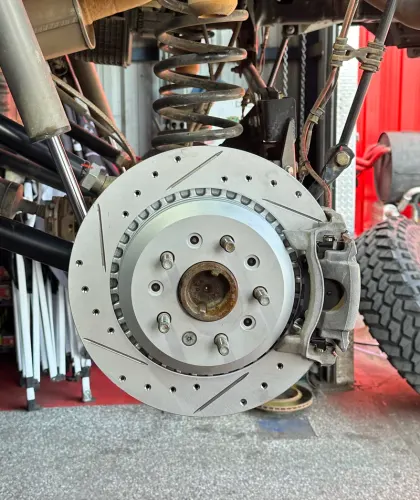
F-250/F-350 Power Stroke diesel fuel filter and DEF service guide - interval, symptoms of a clogged filter, and DEF fluid basics.
By Slyde Over Team on July 29, 2026
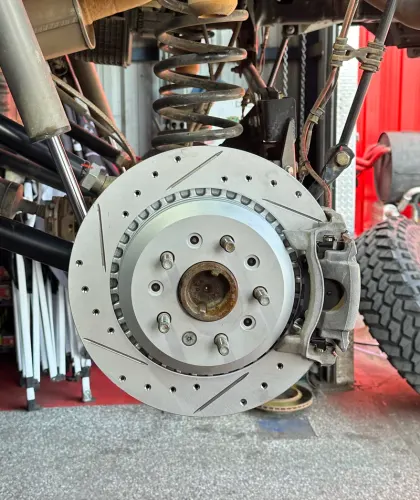
F-150 and Raptor tire rotation interval and wear pattern guide - why towing, payload, and off-road use each wear tires differently.
By Slyde Over Team on July 29, 2026
Ford F-150 4x4 transfer case and front differential fluid service - spec, interval, and why off-road and towing use both shorten it.
By Slyde Over Team on July 29, 2026
F-150 10-speed automatic transmission fluid service guide. Fluid spec, when to change it, and why towing shortens the practical interval.
By Slyde Over Team on July 29, 2026
Complete Ford F-150 oil change guide for EcoBoost and 5.0L V8 engines. Correct oil type, capacity, filter, and severe-duty interval.
By Slyde Over Team on July 29, 2026
Roundup of the most common Mopar SRT problems - intercooler pump, belt wear, motor mounts, adaptive dampers, brakes, and electrical issues.
By Slyde Over Team on July 29, 2026
Jeep Grand Cherokee Trackhawk maintenance schedule - oil, brakes, tires, fluids, and SUV service intervals for 707 HP ownership.
By Slyde Over Team on July 29, 2026
Full Dodge Hellcat maintenance schedule - oil, plugs, belts, brakes, fluids, and inspection intervals for Challenger and Charger owners.
By Slyde Over Team on July 29, 2026
Jeep Grand Cherokee SRT maintenance guide covering 392 SRT and Trackhawk - oil, brakes, tires, and SUV-specific service.
By Slyde Over Team on July 29, 2026
Jeep Wrangler and Gladiator differential and transfer case fluid service - intervals, specs, and 4WD maintenance.
By Slyde Over Team on July 29, 2026
Ram 1500 TRX maintenance guide - supercharged 6.2L Hemi oil, filters, fluids, and service intervals for the 702 HP truck.
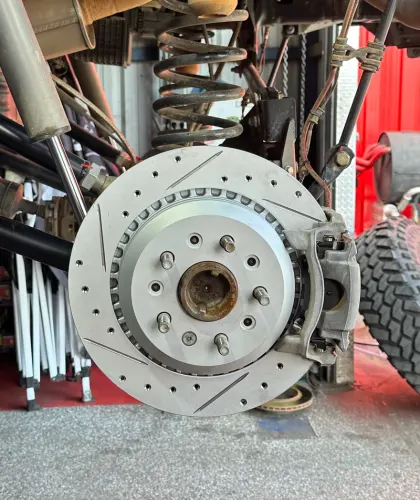
By Slyde Over Team on July 29, 2026
Hellcat and Trackhawk wheel bearing failure symptoms - humming, ABS faults, and replacement overview.
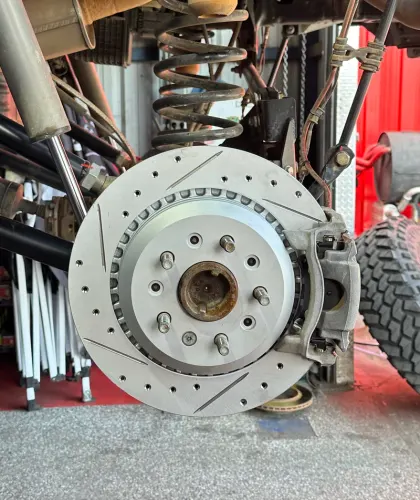
By Slyde Over Team on July 29, 2026
Bilstein adaptive damper troubleshooting on Hellcat, Trackhawk, and Durango SRT. Auto mode faults and service tips.
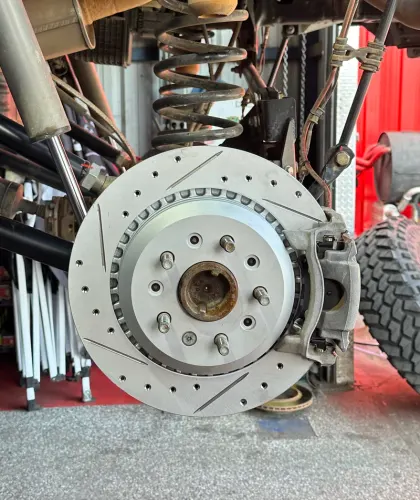
By Slyde Over Team on July 29, 2026
Hellcat and Charger suspension bushing wear - clunk, wandering, and control arm replacement on 700+ HP Mopar.
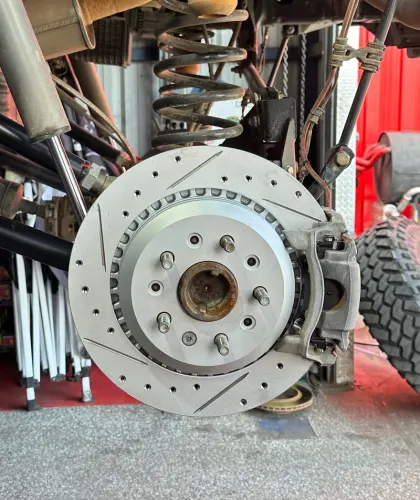
By Slyde Over Team on July 29, 2026
Why Hellcat and Trackhawk tires wear unevenly - alignment specs, rotation interval, and inner edge wear.
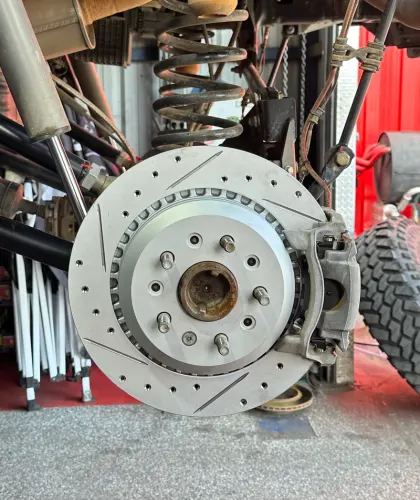
By Slyde Over Team on July 29, 2026
Hellcat and Trackhawk AGM battery guide - correct group size, parasitic drain issues, and electrical gremlins.
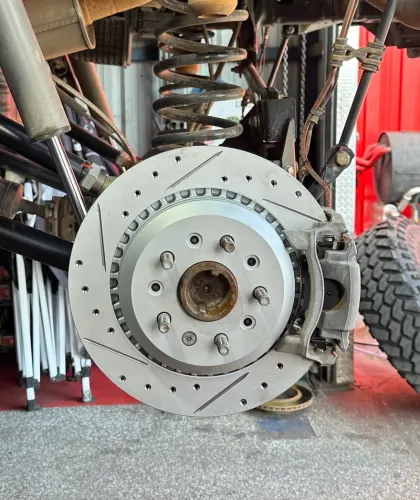
By Slyde Over Team on July 29, 2026
Hellcat and Trackhawk motor mount wear symptoms. High-torque 707 HP Mopar mounts degrade faster.
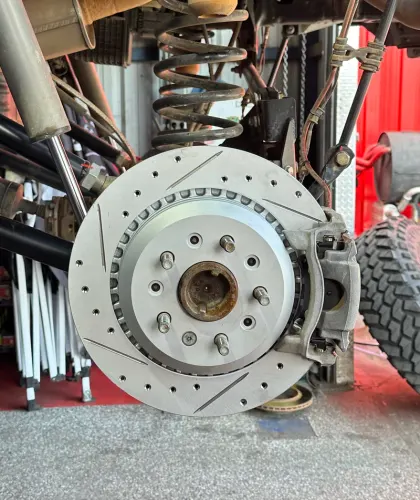
By Slyde Over Team on July 29, 2026
PCV valve and oil separator guide for Hemi engines - Hellcat, Trackhawk, 392 Scat Pack.
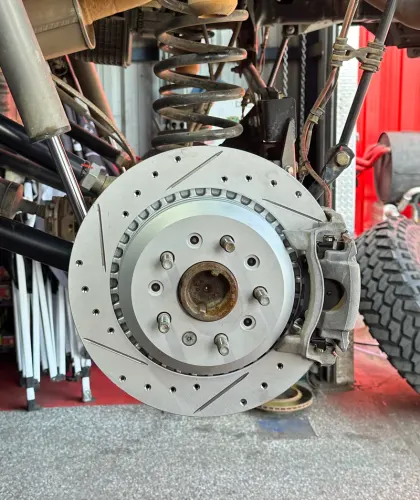
By Slyde Over Team on July 29, 2026
ZF 8HP90 transmission fluid service guide for Hellcat, Trackhawk, and Durango SRT.
By Slyde Over Team on July 29, 2026
Hellcat and Trackhawk intercooler pump failure symptoms, coolant spec, and repair overview.
By Slyde Over Team on July 29, 2026
Supercharged Hemi spark plug replacement guide for Hellcat and Trackhawk. Factory interval and symptoms.
By Slyde Over Team on July 29, 2026
When to replace the Hellcat and Trackhawk supercharger drive belt and tensioner. Symptoms and interval.
By Slyde Over Team on July 29, 2026
392 Hemi oil change guide for Scat Pack, Durango SRT, Grand Cherokee SRT, and Chrysler 300 SRT.
By Slyde Over Team on July 29, 2026
Jeep Grand Cherokee Trackhawk oil change guide - 0W-40 spec, filter, interval, and severe-duty schedule.
By Slyde Over Team on July 29, 2026
Complete Hellcat oil change guide for the 6.2L supercharged Hemi. OEM oil type, filter, and interval.
By Slyde Over Team on July 28, 2026
Why OEM Wrangler pads fade on trail descents and glaze from mud - and why carbon ceramic pads are the correct off-road upgrade for JL and JK.
By Slyde Over Team on July 28, 2026
Why OEM Wrangler rotors rust after creek crossings and warp on descents - and how GEOMET-coated G11H18 rotors deliver off-road durability.
By Slyde Over Team on July 28, 2026
Why OEM Gladiator pads fail under towing and trail use - and why carbon ceramic pads are the correct dual-use upgrade for the truck-bed Wrangler.
By Slyde Over Team on July 28, 2026
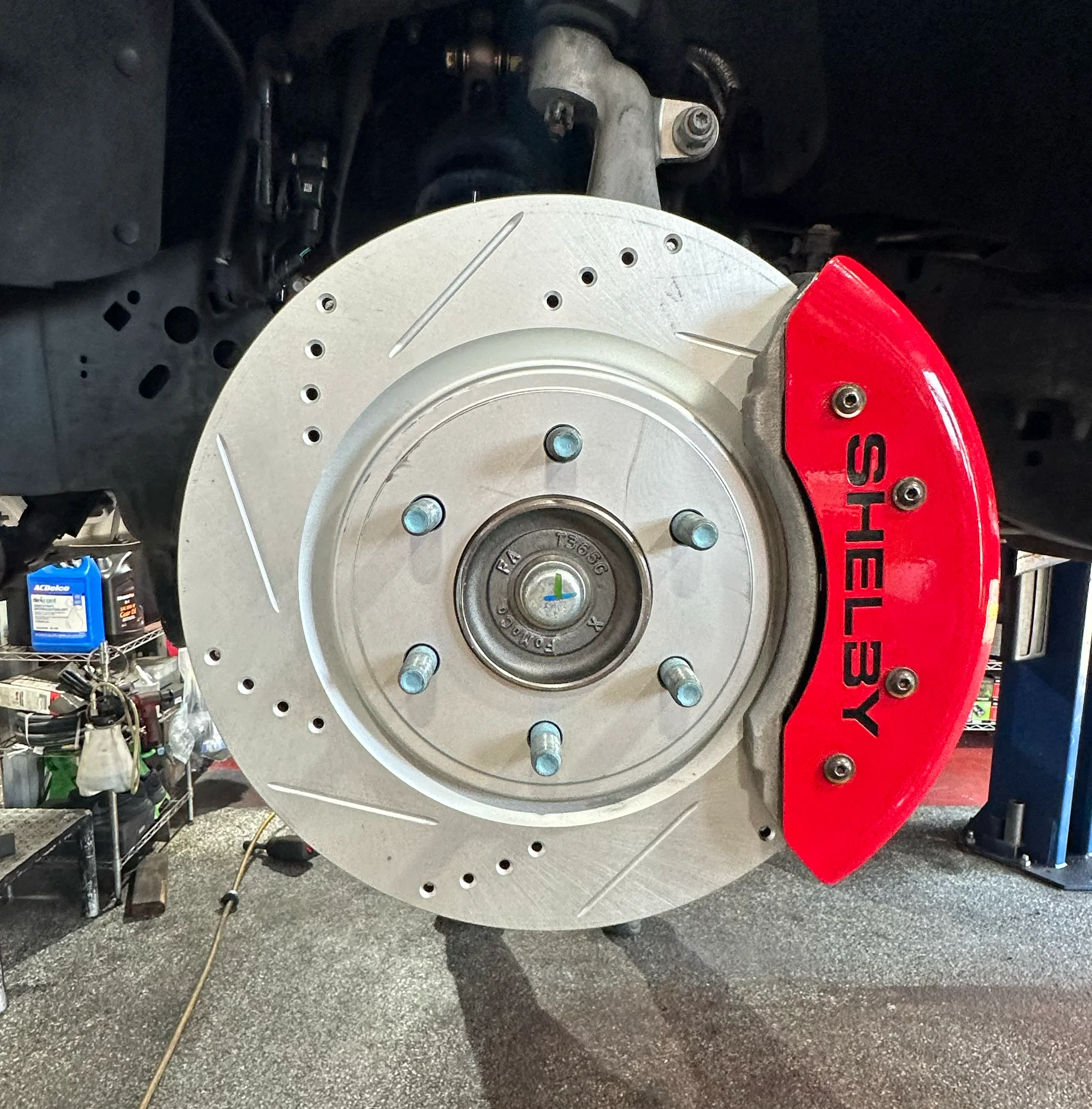
Why OEM Gladiator rotors warp under towing load and rust after water crossings - and how GEOMET-coated rotors handle the dual-use profile.
By Slyde Over Team on July 28, 2026
Why OEM Bronco pads fade on descents and glaze from mud - and why carbon ceramic pads are the correct off-road upgrade for 2-door, 4-door, and Raptor.
By Slyde Over Team on July 28, 2026
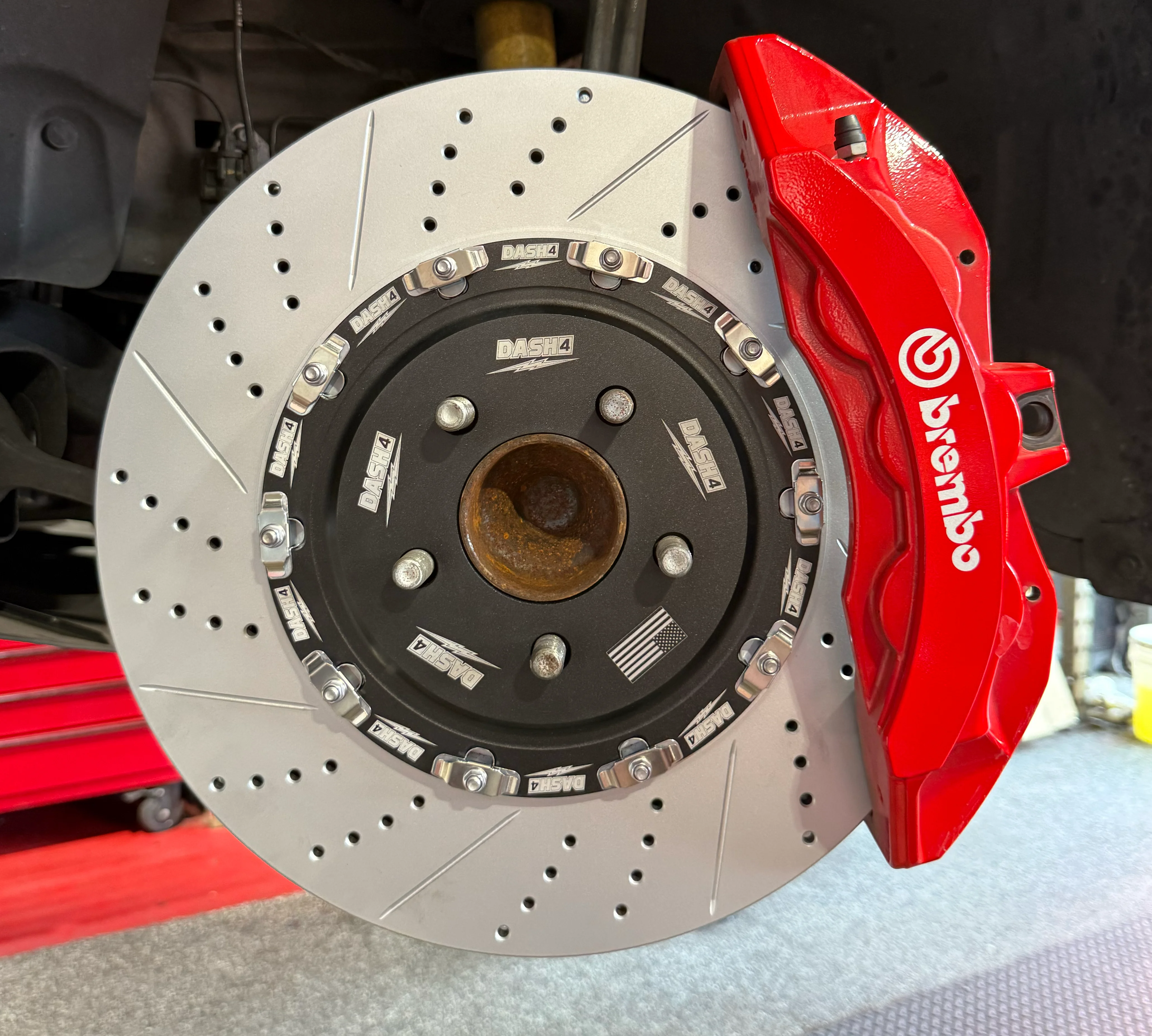
Why OEM Bronco rotors rust after creek crossings and warp on trail descents - and how GEOMET-coated G11H18 rotors fix off-road brake failure.
By Slyde Over Team on July 28, 2026
Why OEM Trackhawk pads fade under towing and heavy SUV loads - and why carbon ceramic pads are the correct upgrade for Jeep Grand Cherokee Trackhawk.
By Slyde Over Team on July 28, 2026
Trackhawk rotors and complete brake upgrades - why OEM rotors warp on the 707 HP Grand Cherokee and how G3500 2-piece front rotors fix fade.
By Slyde Over Team on July 28, 2026
Why OEM Corvette pads fade on C7 and C8 track days and why carbon ceramic pads are the correct upgrade for Stingray, Z51, Z06, and ZR1.
By Slyde Over Team on July 28, 2026
Why OEM Camaro pads fade on ZL1 and 1LE track use and why carbon ceramic pads are the correct upgrade for Gen6 SS through ZL1.

By Slyde Over Team on July 28, 2026
Why OEM Ram 1500 and TRX pads fade under towing and heavy truck loads - and why carbon ceramic pads are the correct upgrade for Sport, Rebel, and TRX fitment.
By Slyde Over Team on July 28, 2026
Why OEM Silverado semi-metallic pads fail under towing and hauling - and why carbon ceramic pads with GEOMET-coated rotors are the right upgrade for Chevy Silverado 1500.
By Slyde Over Team on July 28, 2026
Why OEM F-150 pads fade under towing loads and why carbon ceramic pads deliver fade-resistant, low-dust stopping power for Ford F-150 work trucks and daily drivers.

By Slyde Over Team on July 28, 2026
Why OEM Raptor pads glaze under off-road contamination and towing heat - and why carbon ceramic pads are the correct upgrade for F-150 Raptor and Raptor R.
By Slyde Over Team on July 28, 2026
Raptor rotors and complete brake upgrades explained - why OEM single-piece rotors warp and crack, and how G11H18 drilled rotors fix fade and pulsation.
By Slyde Over Team on July 25, 2026
Why OEM Hellcat pads fade at 707+ HP and why carbon ceramic pads are the correct upgrade for Challenger Hellcat, Charger Hellcat, and 300 SRT track and street use.
By Slyde Over Team on August 20, 2026
Chrysler 300 SRT8 rotors and complete brake upgrades — 777-XAM1043 fitment, G3500 2-piece front rotors, and why OEM G3000 rotors warp on 2005–2020 300 SRT models.
By Slyde Over Team on August 20, 2026
Why OEM 300 SRT8 pads fade and coat wheels in dust — and why carbon ceramic pads in the 777-XAM1043 kit are the correct upgrade.
By Slyde Over Team on August 20, 2026
Complete 300 SRT8 brake upgrade buyer guide — 777-XAM1043, 2-piece floating rotors, carbon ceramic pads, and fitment for 2005–2020 Chrysler 300 SRT.
By Slyde Over Team on July 25, 2026
Hellcat rotors and complete brake upgrades explained - why OEM single-piece rotors warp at 700+ HP and how 2-piece floating rotors fix fade and pulsation.
By Slyde Over Team on March 1, 2026
Engineering behind longer-lasting brake rotors. Thermal expansion, reduced warping, and extended service life.
By Slyde Over Team on March 1, 2026
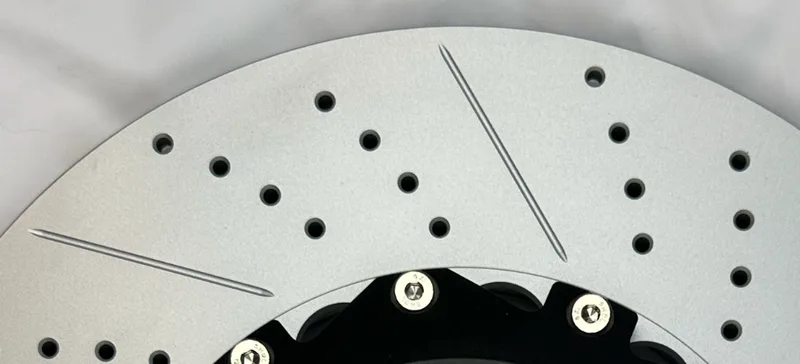
Why diamond slot pattern delivers better heat evacuation, pad contact, and wear characteristics.
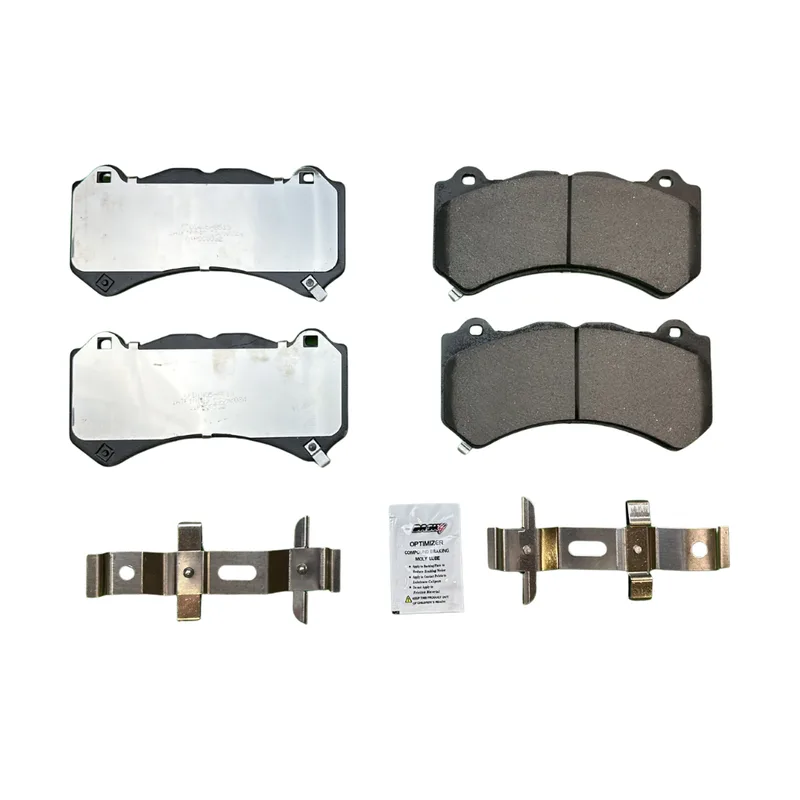
By Slyde Over Team on March 1, 2026
Low dust, high performance, and fade resistance. We compare carbon ceramic and semi-metallic pads.
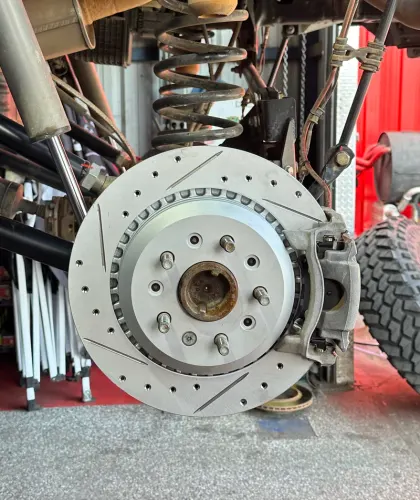
By Slyde Over Team on February 28, 2026
How to choose the right brake kit for your vehicle. Rotor size, pad type, and fitment explained.
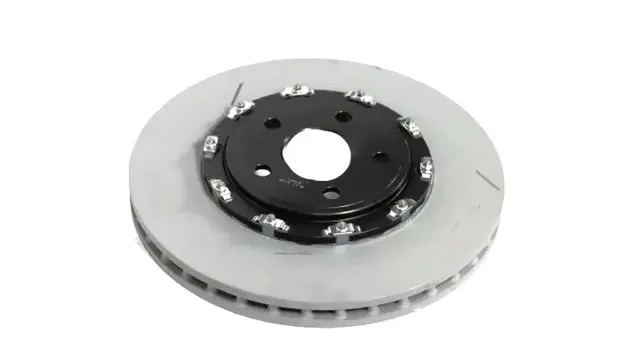
By Slyde Over Team on February 27, 2026
Compare OEM vs Ghost Brakes: longevity, performance, and low-dust advantages. Learn why 2-piece floating design wins.
By Slyde Over Team on February 26, 2026
Step-by-step break-in procedure for peak performance and long rotor life. Follow our guide for proper bedding of new rotors and pads.
By Slyde Over Team on April 7, 2026
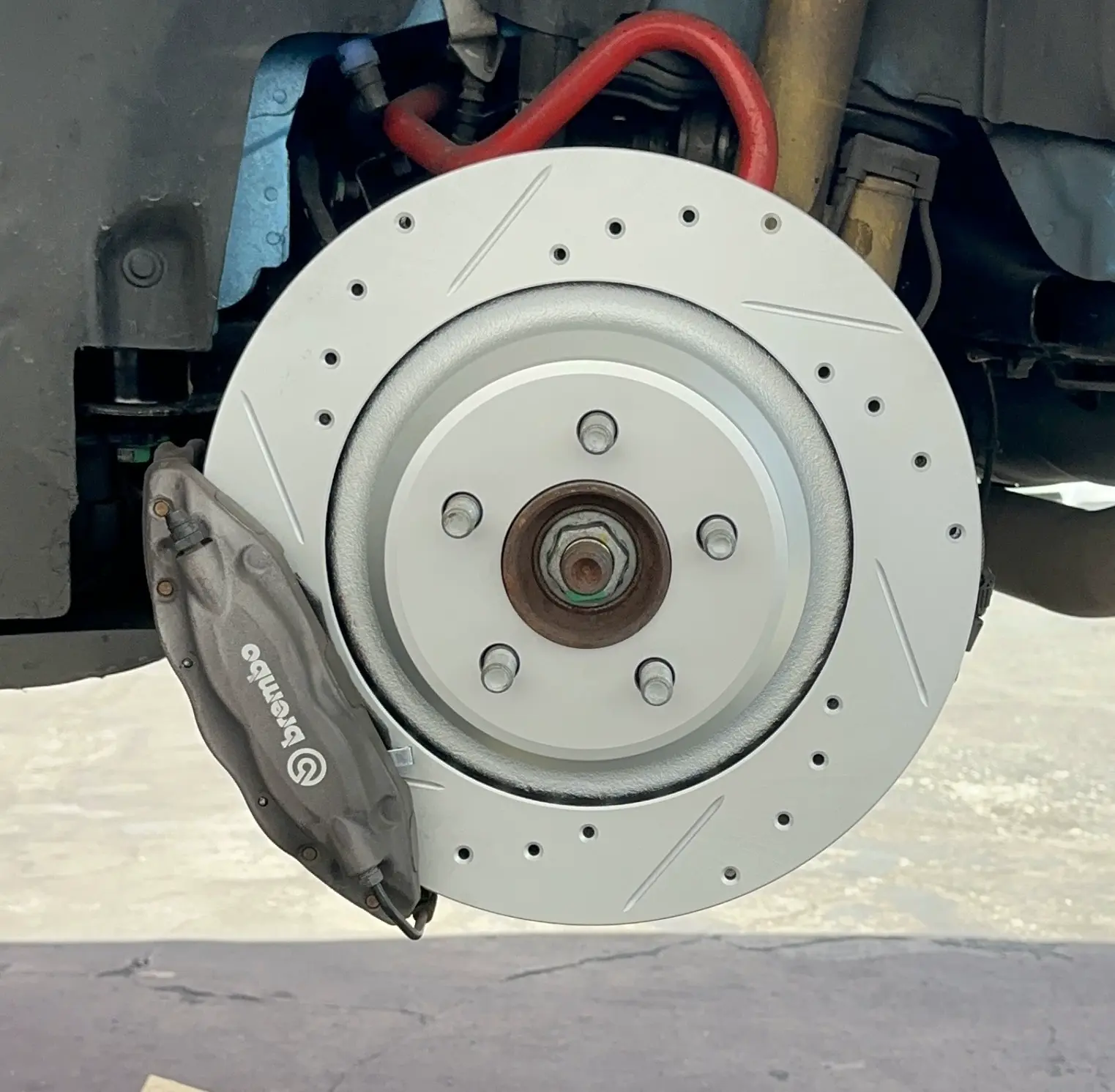
The TRX's supercharged HEMI puts OEM brakes to the test. Here's the upgrade that matches the truck's actual performance capability.
By Slyde Over Team on April 7, 2026
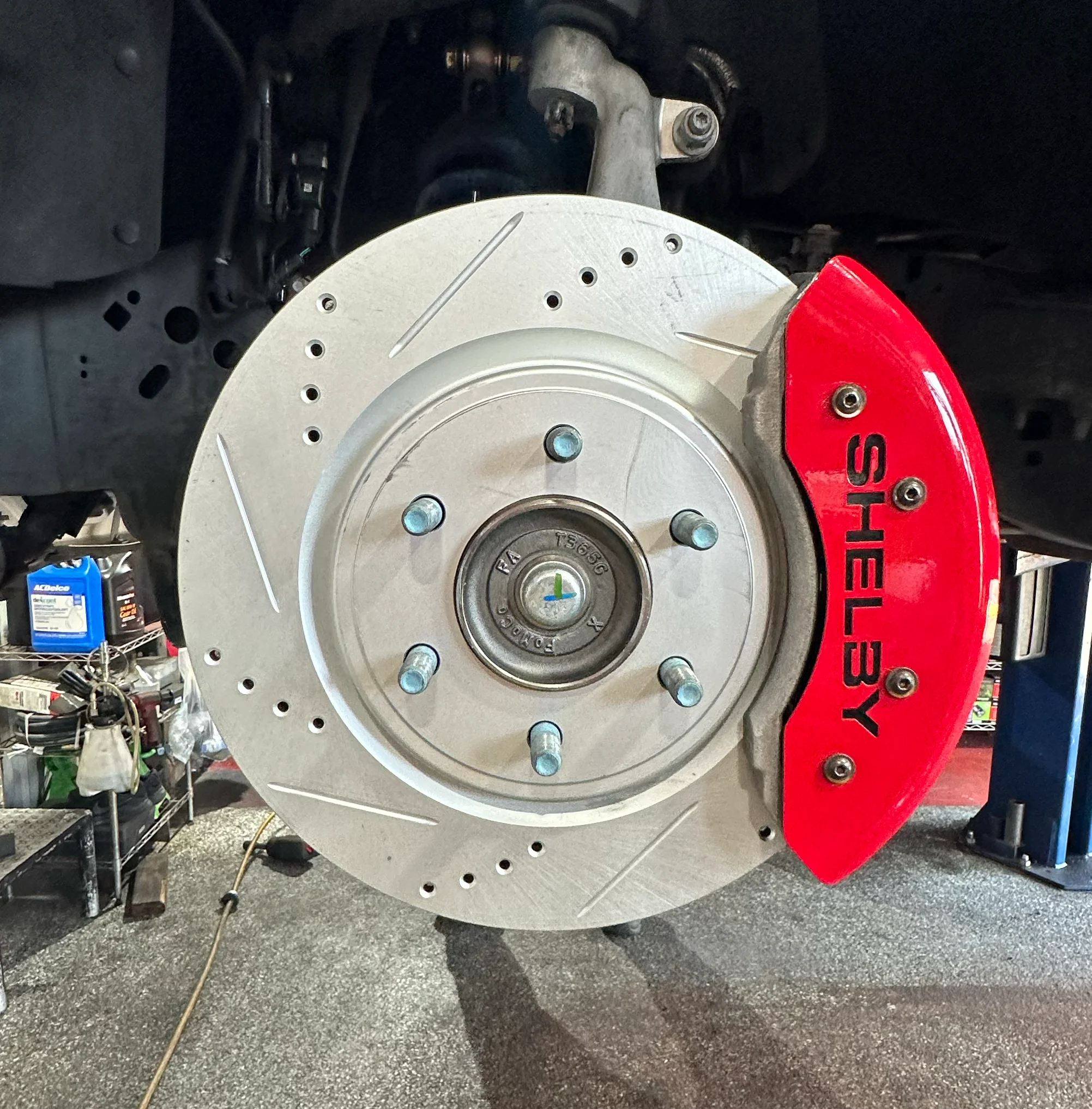
How off-road use destroys OEM Bronco brakes faster than normal driving - and the Ghost Brakes 2-piece upgrade that handles every trail condition.
By Slyde Over Team on April 7, 2026
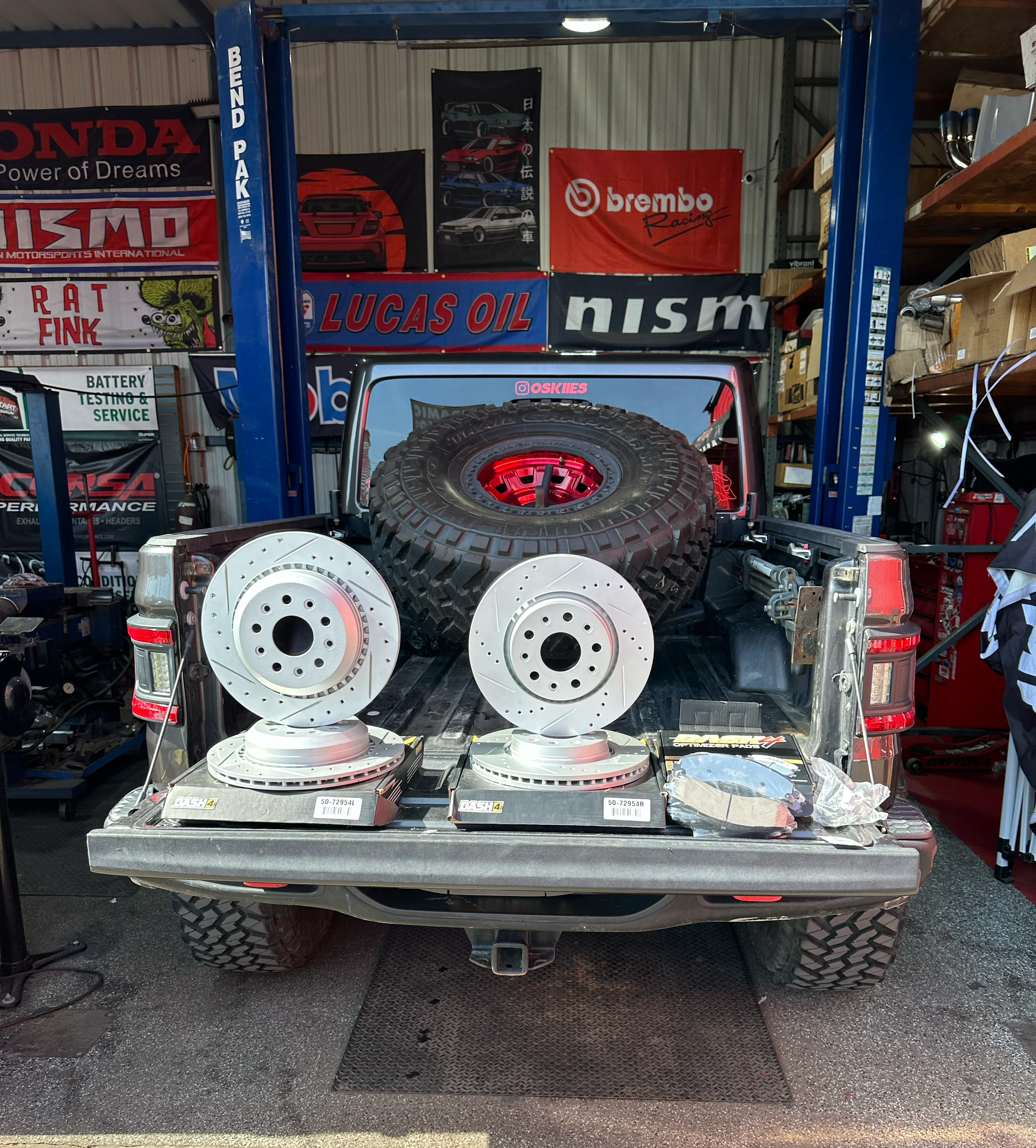
Every Grand Cherokee variant from the base V6 to the 707 HP Trackhawk - why stock brakes fail and the right Ghost Brakes upgrade for each.
By Slyde Over Team on May 18, 2026
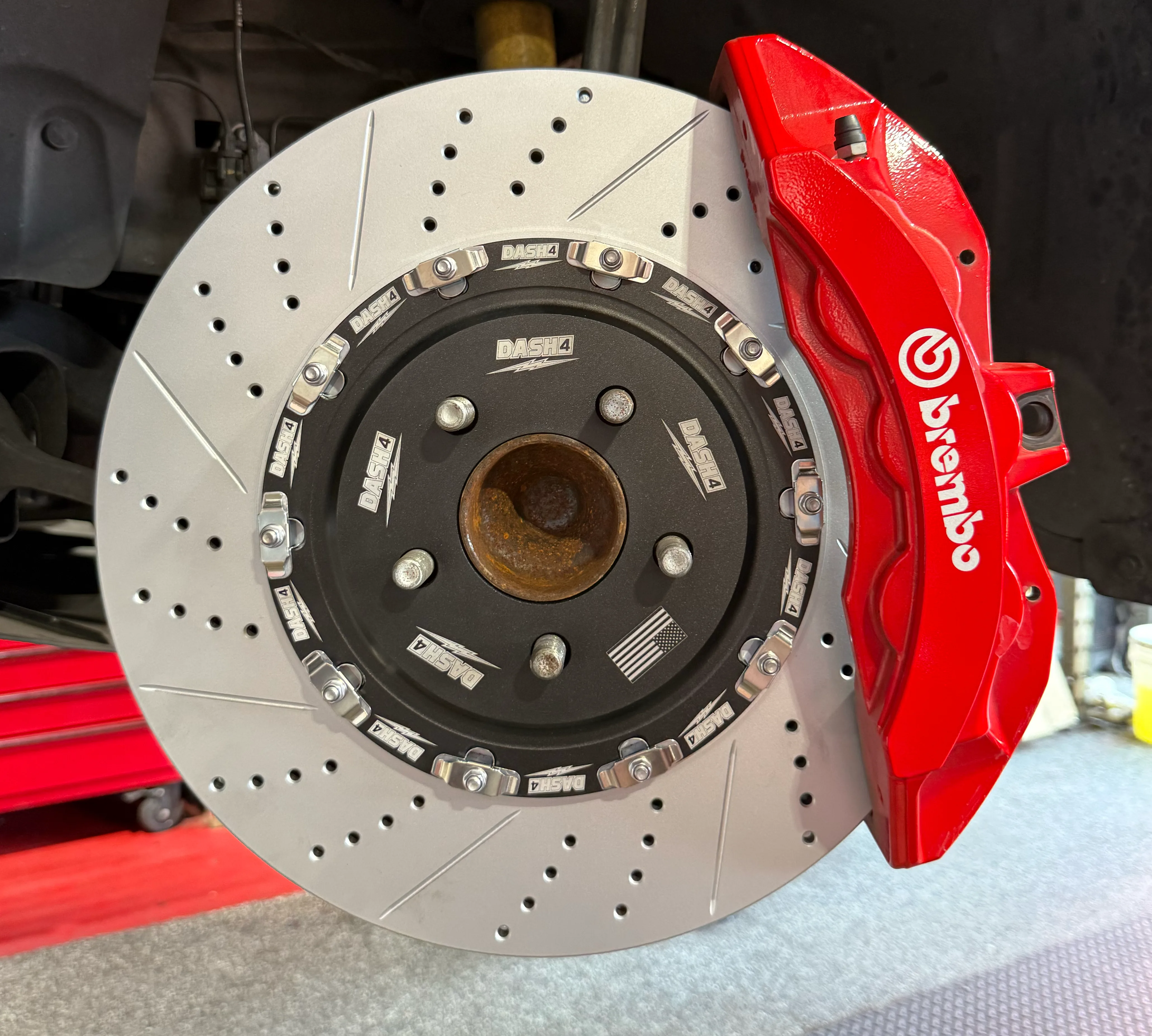
Three performance tiers, three brake conversations - the complete Mustang brake upgrade guide for GT through GT500, S550 and S650.
By Slyde Over Team on May 18, 2026
Why OEM Camaro brakes hit the thermal ceiling at the track - and the Ghost Brakes upgrade that lets the ZL1 and 1LE actually perform at their limit.
By Slyde Over Team on May 18, 2026
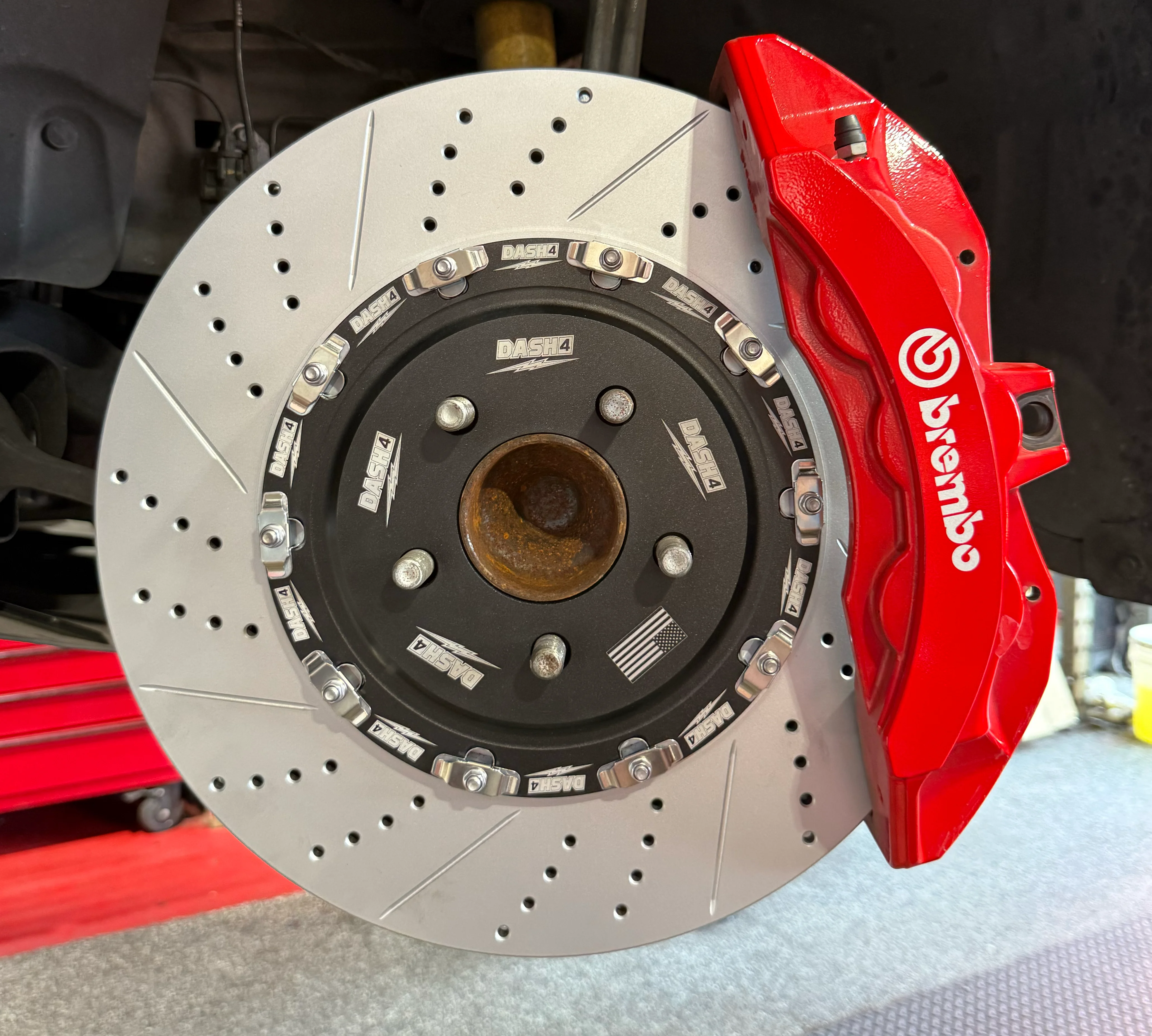
The 485 HP Scat Pack outgrows its brakes faster than most owners realize - complete guide covering R/T, Scat Pack, Widebody, and Daytona fitment.
By Slyde Over Team on May 18, 2026
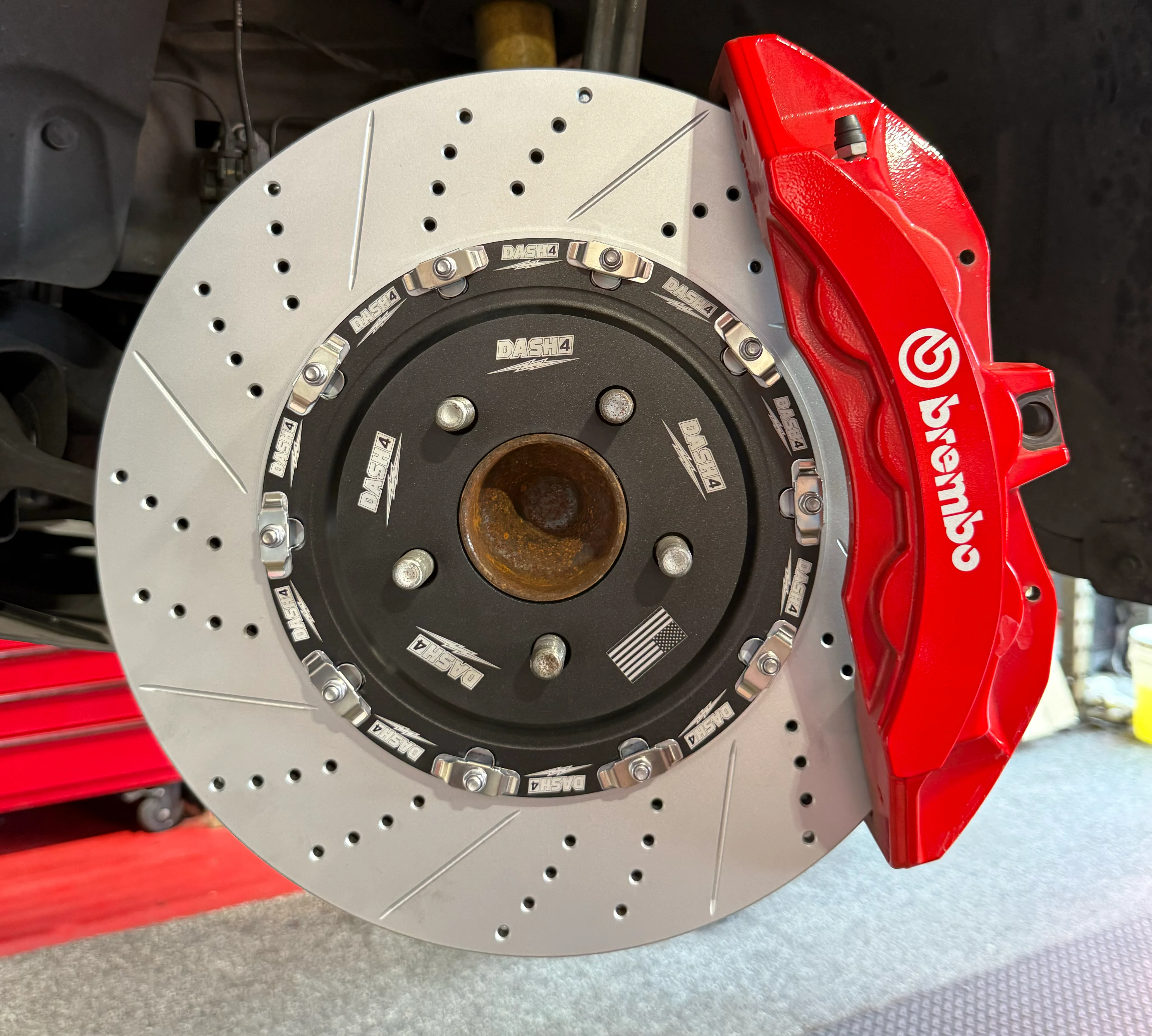
Why the Durango SRT's 5,500 lb curb weight and 475 HP demand a brake upgrade - and why towing use makes it even more urgent.
By Slyde Over Team on May 18, 2026
Water crossings, rocky descents, mud contamination - why off-road use destroys OEM Wrangler brakes and the Ghost Brakes kit that handles every trail condition.
By Slyde Over Team on May 18, 2026
The Gladiator does trucks and off-road in one - why its dual-use demands make the brake upgrade essential before the first serious tow or trail descent.
By Slyde Over Team on May 18, 2026
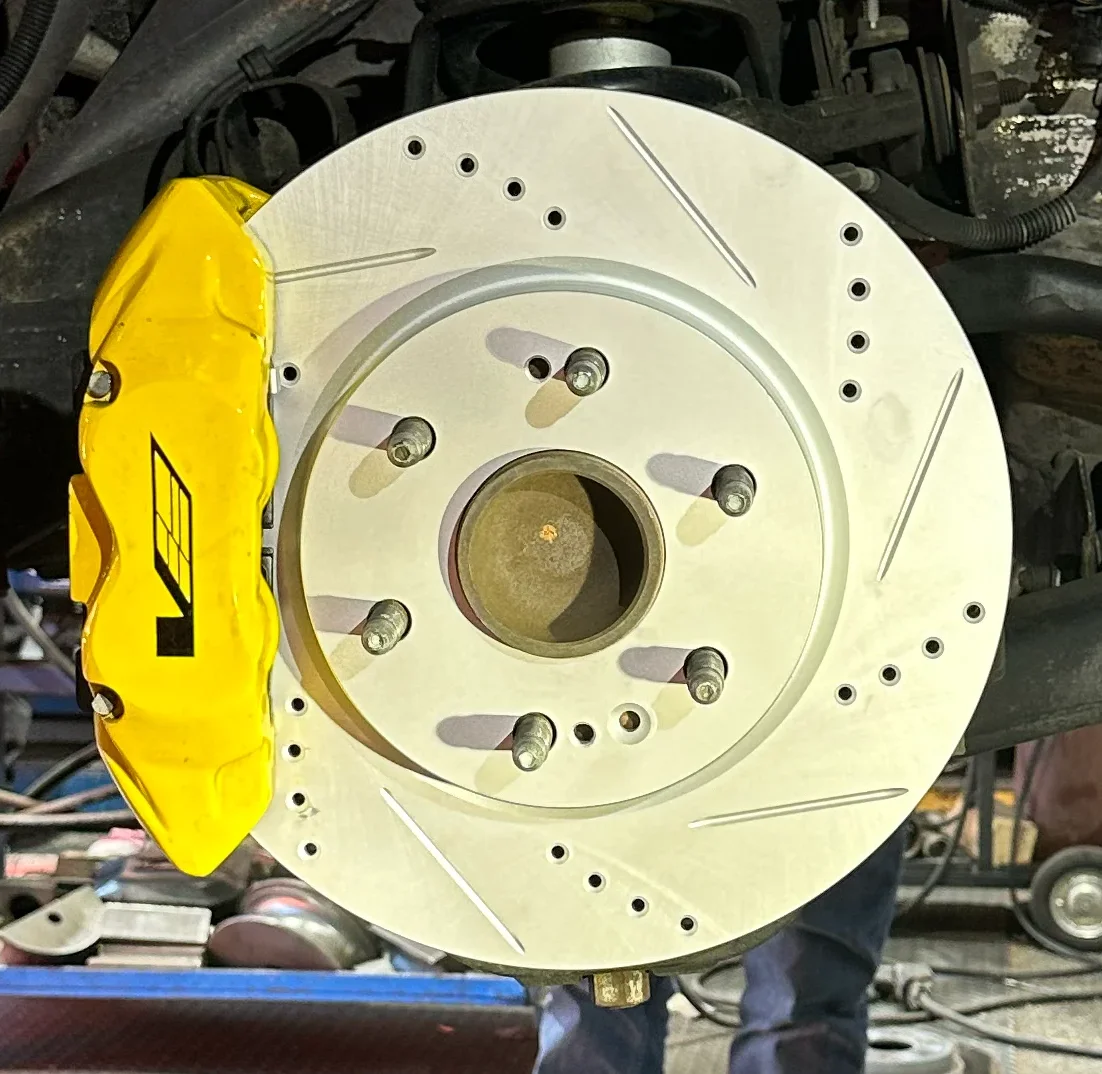
Why heavy family SUVs need a brake upgrade before the first towing season - and the Ghost Brakes kit that handles Tahoe and Suburban loads without fade.

By Slyde Over Team on May 18, 2026
BMW platform, Brembo calipers, and OEM pad fade after 4 laps - complete GR Supra A90 brake upgrade guide for 2.0, 3.0, and 3.0+ configurations.

By Slyde Over Team on May 18, 2026
BuyBrakes sells OEM-replacement hardware. Ghost Brakes builds 2-piece floating rotors for performance and towing. Here's the honest comparison.

By Slyde Over Team on May 18, 2026
EBC Redstuff is a respected street pad. Ghost Brakes carbon ceramic goes further - 2-piece rotors, sustained high-heat performance, and a lifetime warranty.

By Slyde Over Team on May 18, 2026
StopTech is a performance brake institution. Ghost Brakes delivers comparable 2-piece engineering at a lower price - here's how they compare across rotor construction, pads, and value.

By Slyde Over Team on May 18, 2026
Head-to-head: 2-piece floating rotors vs PowerStop Z36. Rotor construction, pad compounds, warranties, and which kit wins for towing and track use.

By Slyde Over Team on May 18, 2026
How 2-piece floating rotors prevent warp under towing and track use, weight advantages, and when the upgrade makes sense over single-piece hardware.

By Slyde Over Team on May 18, 2026
Pedal pulsation explained - what actually causes "warped" rotors (hint: it's usually DTV), how to fix it, and how to prevent it with 2-piece floating design.

By Slyde Over Team on May 18, 2026
Why brakes squeal - pad material, glazing, wear indicator, hardware resonance - what's normal vs. a warning sign, and how carbon ceramic eliminates recurring squeal.
By Slyde Over Team on May 18, 2026
Complete comparison of rotor surface patterns - what drilled and slotted designs actually do, which is best for towing vs track vs street, and why construction quality matters more.
By Slyde Over Team on May 18, 2026
Pad fade vs fluid fade - what you feel when brakes fade, the towing and track scenarios that cause it, and how to prevent it completely with carbon ceramic pads.
By Slyde Over Team on May 18, 2026
Complete M3/M4 brake upgrade guide - Brembo compatibility, F-chassis vs G-chassis differences, how many track laps before fade, and Ghost Brakes kit selection.
By Slyde Over Team on May 18, 2026
Complete Golf R and GTI brake upgrade guide - MK8 Brembo spec, MK7 differences, FWD/AWD track brake dynamics, and dust reduction for VW factory wheels.
By Slyde Over Team on April 7, 2026
Why OEM F-150 brakes fail under towing loads and exactly which Ghost Brakes kit delivers consistent stopping power when hauling a trailer.
By Slyde Over Team on August 18, 2026
Everything F-150 owners need to know about drilled and slotted truck rotors - towing grades, G11H18 metallurgy, fitment by year, and which Ghost Brakes kit to buy.
By Slyde Over Team on April 7, 2026
The honest answer for Silverado owners who tow regularly - and the upgrade that solves fade, warp, and premature wear at the same time.
By Slyde Over Team on August 18, 2026
Silverado 1500 and HD owners: why drilled and slotted truck rotors beat OEM under trailer load, and how to pick the right Ghost Brakes kit.
By Slyde Over Team on April 7, 2026
F-150, Silverado, Ram, Expedition, Tahoe - every major tow vehicle covered. The physics of towing brake failure and the right fix for each.
By Slyde Over Team on May 18, 2026
12,000 lbs of tow capacity demands more than OEM brake hardware - complete guide covering 2nd gen V8, 3rd gen turbo, i-FORCE MAX hybrid, and TRD Pro configurations.
By Slyde Over Team on August 18, 2026
Toyota Tundra drilled and slotted truck rotors explained - i-FORCE MAX, TRD Pro, and max tow rating brake upgrades that hold up on grades.
By Slyde Over Team on April 7, 2026
Raptor brake fitment is different from standard F-150. This guide covers rotor spec, Raptor R differences, and the upgrade that handles desert running.
By Slyde Over Team on May 18, 2026
Water crossings, mud contamination, and towing to trailheads - why TRD Pro use destroys OEM Tacoma brakes and the Ghost Brakes kit that handles every trail condition.
By Slyde Over Team on August 18, 2026
Ram 1500 Rebel, Laramie, and Big Horn towing brake guide - drilled and slotted truck rotors, carbon ceramic pads, and fitment by generation.
By Slyde Over Team on August 18, 2026
GMC Sierra 1500, Denali, and AT4/AT4X buyer guide - G11H18 drilled and slotted truck rotors, carbon ceramic pads, and fitment for regular towing.
By Slyde Over Team on August 18, 2026
Ford F-250/F-350 Super Duty buyer guide - G11H18 drilled and slotted truck rotors, carbon ceramic pads, and heavy-duty towing fitment for Power Stroke diesel trucks.
By Slyde Over Team on August 18, 2026
Honest comparison for truck owners: Ghost Brakes G11H18 drilled and slotted kits vs PowerStop Z23 for F-150 and Silverado towing duty.
By Slyde Over Team on May 18, 2026
Why OEM Challenger Hellcat, Redeye, and Super Stock brakes fail under serious use - and the Ghost Brakes 2-piece kit that actually matches the Challenger's performance.
By Slyde Over Team on May 18, 2026
C7 vs C8 brake dynamics, Z06 track-day demands, and the Ghost Brakes kit that handles America's sports car from canyon roads to track days.
By Slyde Over Team on September 30, 2026
RS Q8 777-XE complete kits vs GiroDisc rotor-only pricing — pads included, iron-front fitment.
By Slyde Over Team on September 30, 2026
Compare 777 kit pricing with pads against GiroDisc front+rear rotor pairs for Audi and Euro platforms.
By Slyde Over Team on September 30, 2026
Paragon chassis-coded rotor pairs vs Ghost Brakes 777 complete kits with carbon ceramic pads.
By Slyde Over Team on September 20, 2026
Learn how gasoline engines convert fuel into motion, how inline-four, V6, V8, and flat-boxer layouts differ, and what that means for maintenance, towing, and brake heat at the wheels.
By Slyde Over Team on September 20, 2026
Compare electric motors and gasoline engines—instant torque, efficiency maps, maintenance, towing, cold weather, and how each platform loads your brakes during daily and heavy-use driving.
By Slyde Over Team on September 20, 2026
Understand regenerative braking levels, blending with hydraulic brakes, one-pedal driving, tow-mode behavior, and why EV trucks still need healthy rotors and fluid for long descents.
By Slyde Over Team on September 20, 2026
Compare turbochargers, superchargers, and electric-assisted boost—lag, heat, fuel octane, reliability, and how each setup changes how hard you use brakes and cooling systems.
By Slyde Over Team on September 20, 2026
Compare hybrid, plug-in hybrid, and battery-electric powertrains—fueling, range, maintenance, towing, tax credits, and brake wear patterns so you pick the right platform.
By Slyde Over Team on September 20, 2026
New EV owner checklist—tire care, brake service, coolant for batteries, cabin filters, charging habits, and when friction brake upgrades still make sense.
By Slyde Over Team on September 20, 2026
Compare big-box parts stores and online retailers for brake rotors and pads—core charges, brand selection, fitment help, warranty, and when a specialist like Slyde Over beats a generic shelf kit.
By Slyde Over Team on September 20, 2026
When to buy OEM brake parts vs quality aftermarket kits—dealer pricing, warranty impact, fleet use, and how Ghost Brakes aftermarket compares to Mopar or Ford OEM friction.
By Slyde Over Team on September 20, 2026
Trends shaping aftermarket parts in 2026—e-commerce share, supply chain, EV service, private label growth, and what it means when you shop brake upgrades online.
By Slyde Over Team on September 20, 2026
Checklist to evaluate brake brands—testing claims, coating, kit completeness, warranty, fitment support, and red flags before you trust a pad and rotor with your family.
By Slyde Over Team on September 20, 2026
Compare DTC brake brands and online specialists with AutoZone-style retail—margin, education, fitment, returns, and why Ghost Brakes sells through Slyde Over instead of endcap space.
By Slyde Over Team on September 20, 2026
Side-by-side look at major aftermarket brake brands—product lines, coatings, pad options, muscle vs truck focus, and where Ghost Brakes fits for American trucks and Hellcat-era performance.
By Slyde Over Team on September 20, 2026
Complete tire buying guide—size, load index, speed rating, UTQG, all-terrain vs highway, plus how tire choice pairs with brake upgrades on tow-ready trucks.
By Slyde Over Team on September 20, 2026
Decode tire sidewall markings—metric sizing, load index, speed symbols, DOT dates, M+S vs 3PMSF, and why correct specs matter for trucks, TPMS, and braking stability.
By Slyde Over Team on September 20, 2026
Compare all-season, summer performance, and winter tires—grip, temperature ranges, 3PMSF certification, truck tow use, and stopping distances tied to brake system health.
By Slyde Over Team on September 20, 2026
Measure tread depth, read wear patterns—cupping, feathering, center wear, shoulder wear—and fix causes before you blame tires or brakes for vibration and pull.
By Slyde Over Team on September 20, 2026
EV-specific tires explained—foam liners, low rolling resistance, higher load indices, faster wear, and how extra mass affects brake heat on electric trucks and SUVs.
By Slyde Over Team on September 20, 2026
How tires and brakes share load during stops—weight transfer, ABS, tread depth, pad glaze, and why Ghost Brakes matched kits belong in the same conversation as new rubber on tow rigs.
By Slyde Over Team on August 7, 2026
CT5-V Blackwing carbon aero mods done? Upgrade brakes next - Ghost Brakes 2-piece floating rotors for 668 HP V-Series track performance.
By Slyde Over Team on August 7, 2026
Added Z06 or Z07 carbon aero to your C8? Upgrade brakes next - G3500 2-piece floating rotors for C8 Z06, E-Ray, and ZR1.
By Slyde Over Team on August 7, 2026
Installed ZL1 or 1LE track-package aero on your Camaro? Here is the brake upgrade that matches your new cornering speed.
By Slyde Over Team on July 30, 2026
Complete Kia K5 / Stinger brake upgrade guide - Ghost Brakes G11H18 drilled and slotted rotors with carbon ceramic pads. Bolt-on install, lifetime warranty.
By Slyde Over Team on July 30, 2026
Complete Kia Sportage brake upgrade guide - Ghost Brakes G11H18 drilled and slotted rotors with carbon ceramic pads. Bolt-on install, lifetime warranty.
By Slyde Over Team on July 30, 2026
Complete Kia Telluride brake upgrade guide - Ghost Brakes G11H18 drilled and slotted rotors with carbon ceramic pads. Bolt-on install, lifetime warranty.
By Slyde Over Team on July 30, 2026
Complete Audi S4 / RS5 brake upgrade guide - Ghost Brakes G11H18 drilled and slotted rotors with carbon ceramic pads. Bolt-on install, lifetime warranty.
By Slyde Over Team on July 30, 2026
Complete Audi Q5 / SQ5 brake upgrade guide - Ghost Brakes G11H18 drilled and slotted rotors with carbon ceramic pads. Bolt-on install, lifetime warranty.
By Slyde Over Team on July 30, 2026
Complete Audi A4 / S4 brake upgrade guide - Ghost Brakes G11H18 drilled and slotted rotors with carbon ceramic pads. Bolt-on install, lifetime warranty.
By Slyde Over Team on July 30, 2026
Complete Mercedes GLE brake upgrade guide - Ghost Brakes G11H18 drilled and slotted rotors with carbon ceramic pads. Bolt-on install, lifetime warranty.
By Slyde Over Team on July 30, 2026
Complete Mercedes E-Class brake upgrade guide - Ghost Brakes G11H18 drilled and slotted rotors with carbon ceramic pads. Bolt-on install, lifetime warranty.
By Slyde Over Team on July 30, 2026
Complete Mercedes C-Class brake upgrade guide - Ghost Brakes G11H18 drilled and slotted rotors with carbon ceramic pads. Bolt-on install, lifetime warranty.
By Slyde Over Team on July 30, 2026
Complete Porsche Macan brake upgrade guide - Ghost Brakes G11H18 drilled and slotted rotors with carbon ceramic pads. Bolt-on install, lifetime warranty.
By Slyde Over Team on July 30, 2026
Complete Acura Integra Type S brake upgrade guide - Ghost Brakes G11H18 drilled and slotted rotors with carbon ceramic pads. Bolt-on install, lifetime warranty.
By Slyde Over Team on July 30, 2026
Complete BMW M2 brake upgrade guide - Ghost Brakes G11H18 drilled and slotted rotors with carbon ceramic pads. Bolt-on install, lifetime warranty.
By Slyde Over Team on July 30, 2026
Complete Lexus IS / RC F brake upgrade guide - Ghost Brakes G11H18 drilled and slotted rotors with carbon ceramic pads. Bolt-on install, lifetime warranty.
By Slyde Over Team on July 30, 2026
Complete Nissan Z brake upgrade guide - Ghost Brakes G11H18 drilled and slotted rotors with carbon ceramic pads. Bolt-on install, lifetime warranty.
By Slyde Over Team on July 30, 2026
Complete Subaru WRX brake upgrade guide - Ghost Brakes G11H18 drilled and slotted rotors with carbon ceramic pads. Bolt-on install, lifetime warranty.
By Slyde Over Team on July 30, 2026
Complete Honda Civic Type R brake upgrade guide - Ghost Brakes G11H18 drilled and slotted rotors with carbon ceramic pads. Bolt-on install, lifetime warranty.
By Slyde Over Team on July 30, 2026
Complete Toyota 4Runner TRD brake upgrade guide - Ghost Brakes G11H18 drilled and slotted rotors with carbon ceramic pads. Bolt-on install, lifetime warranty.
By Slyde Over Team on July 30, 2026
Complete Cadillac Escalade brake upgrade guide - Ghost Brakes G11H18 drilled and slotted rotors with carbon ceramic pads. Bolt-on install, lifetime warranty.
By Slyde Over Team on July 30, 2026
Complete Lincoln Navigator brake upgrade guide - Ghost Brakes G11H18 drilled and slotted rotors with carbon ceramic pads. Bolt-on install, lifetime warranty.
By Slyde Over Team on July 30, 2026
Complete Ford Expedition brake upgrade guide - Ghost Brakes G11H18 drilled and slotted rotors with carbon ceramic pads. Bolt-on install, lifetime warranty.
By Slyde Over Team on July 30, 2026
Complete Jeep Wrangler JL and Gladiator JT off-road maintenance schedule - oil, diffs, brakes, tires, and inspection intervals for 35"+ trail use.
By Slyde Over Team on July 30, 2026
Serpentine belt inspection and replacement guide for Jeep Wrangler JL and Gladiator JT - wear symptoms, interval, and what a squeal means on a trail rig.
By Slyde Over Team on July 30, 2026
Jeep Wrangler JL and Gladiator JT battery replacement and electrical guide - group size, dual-battery setups for winches, and signs of a failing battery on trai
By Slyde Over Team on July 30, 2026
Jeep Wrangler and Gladiator tire rotation interval and wear pattern guide for 35"+ off-road tires - rotation patterns, alignment checks, and trail wear symptoms
By Slyde Over Team on July 30, 2026
Jeep Wrangler and Gladiator sway bar disconnect and suspension inspection guide - electronic Rubicon disconnect, manual setups, and 35"+ tire considerations.
By Slyde Over Team on July 30, 2026
Jeep Wrangler JL and Gladiator JT differential and transfer case fluid service - specs, intervals, and why off-road use with 35"+ tires demands shorter service.
By Slyde Over Team on July 30, 2026
Complete Jeep Gladiator JT oil change guide for 3.6L Pentastar and 3.0L EcoDiesel engines. Correct oil type, capacity, filter, and severe-duty interval for towi
By Slyde Over Team on July 30, 2026
Complete Jeep Wrangler JL oil change guide for 3.6L Pentastar and 2.0L Turbo engines. Correct oil type, capacity, filter, and severe-duty interval for off-road
By Slyde Over Team on July 30, 2026
Complete Toyota Tundra and Tacoma TRD maintenance schedule - oil, fluids, filters, brakes, and inspection intervals for towing and off-road use.
By Slyde Over Team on July 30, 2026
Serpentine belt and alternator inspection guide for Toyota Tundra and Tacoma - wear symptoms, interval, and what a squeal usually means.
By Slyde Over Team on July 30, 2026
Toyota Tundra and Tacoma battery replacement guide - correct group size, i-FORCE MAX hybrid considerations, and signs of a failing battery.
By Slyde Over Team on July 30, 2026
Toyota TRD Pro Fox shock inspection and service guide for Tundra and Tacoma - symptoms of wear, fluid checks, and why off-road use shortens the interval.
By Slyde Over Team on July 30, 2026
Toyota Tundra and Tacoma TRD tire rotation interval and wear pattern guide - why towing, payload, and off-road use each wear tires differently.
By Slyde Over Team on July 30, 2026
Toyota Tundra and Tacoma TRD 4x4 transfer case and differential fluid service - spec, interval, and why off-road and towing use both shorten it.
By Slyde Over Team on July 30, 2026
Toyota Tacoma TRD Pro and Off-Road oil change guide for 4th-gen 2.4L turbo and 3rd-gen V6 engines. Oil type, capacity, filter, and off-road interval.
By Slyde Over Team on July 30, 2026
Complete Toyota Tundra oil change guide for 3.5L twin-turbo and i-FORCE MAX hybrid engines. Correct oil type, capacity, filter, and severe-duty interval for tow
By Slyde Over Team on July 30, 2026
Ghost Brakes vs DBA Disc Brakes Australia - compare 2-piece rotor technology, pad options, GEOMET coating, and fitment for American muscle and trucks.
By Slyde Over Team on July 30, 2026
Ghost Brakes 2-piece floating kits vs Baer Brakes Pro+ and Eradispeed - rotor technology, install complexity, and fitment for American muscle.
By Slyde Over Team on July 30, 2026
Ghost Brakes bolt-on 2-piece kits vs Wilwood big brake kits - rotor architecture, caliper requirements, and which fits your muscle car or truck.
By Slyde Over Team on July 30, 2026
Ghost Brakes complete 2-piece brake kits vs Hawk Performance pad-focused upgrades - rotor architecture, compounds, and recommendations.
By Slyde Over Team on July 30, 2026
Ghost Brakes 2-piece rotors vs Brembo OEM and aftermarket kits - rotor construction, pad compounds, pricing, and fitment for Hellcat, Z06, and ZL1.
By Slyde Over Team on July 30, 2026
Complete Corvette Z06 maintenance schedule for C7 LT4 and C8 LT6. Oil, DCT, diff, brakes, and track prep.
By Slyde Over Team on July 30, 2026
Corvette Z06 battery guide for C7 and C8. AGM group size, frunk access on C8, and pre-track checks.
By Slyde Over Team on July 30, 2026
Corvette Z06 track alignment and tire guide for C7 and C8. Camber, toe, and hot tire pressures for HPDE.
By Slyde Over Team on July 30, 2026
Corvette Z06 spark plug replacement for C7 LT4 and C8 LT6. Factory interval and misfire symptoms under load.
By Slyde Over Team on July 30, 2026
Corvette Z06 brake fluid flush guide for C7 and C8. Racing DOT 4, Brembo bleed procedure, and track tips.
By Slyde Over Team on July 30, 2026
Corvette Z06 rear differential fluid service for C7 and C8. eLSD fluid spec, interval, and track maintenance.
By Slyde Over Team on July 30, 2026
Corvette Z06 transmission fluid service for C8 DCT and C7 TR6060 manual. Fluid spec and track-day tips.
By Slyde Over Team on July 30, 2026
Complete Corvette Z06 oil change guide for C7 LT4 and C8 Z06 LT6. Dry-sump service, capacity, and track interval.
By Slyde Over Team on July 30, 2026
Complete Camaro ZL1 maintenance schedule for street and track use. Oil, trans, diff, brakes, and seasonal prep intervals.
By Slyde Over Team on July 30, 2026
Camaro ZL1 battery replacement guide. Correct group size, AGM vs flooded, and pre-track electrical checks.
By Slyde Over Team on July 30, 2026
Camaro ZL1 track alignment and tire pressure guide. Recommended camber, toe, and hot pressures for HPDE.
By Slyde Over Team on July 30, 2026
Camaro ZL1 LT4 spark plug and ignition coil replacement guide. Factory interval, heat range, and misfire symptoms.
By Slyde Over Team on July 30, 2026
Camaro ZL1 brake fluid flush guide for street and track. When to upgrade to DOT 4 racing fluid and bleed Brembo calipers.
By Slyde Over Team on July 30, 2026
Camaro ZL1 rear differential fluid service guide. Fluid spec for the limited-slip MRC diff and track-day maintenance.
By Slyde Over Team on July 30, 2026
Camaro ZL1 transmission fluid service for 10L90 automatic and TR6060 manual. Fluid spec, interval, and track use tips.
By Slyde Over Team on July 30, 2026
Complete Camaro ZL1 oil change guide for the supercharged LT4. Correct Dexos oil spec, capacity, filter, and track-day interval.
By Slyde Over Team on July 29, 2026
Serpentine belt and alternator inspection guide for Ram 1500 and 2500 - wear symptoms, interval, and what a squeal usually means.
By Slyde Over Team on July 29, 2026
Ram 1500 and 2500 battery replacement guide - correct group size, dual-battery diesel setups, and signs of a failing battery.
By Slyde Over Team on July 29, 2026
Ram 1500 and 2500 tire rotation interval and wear pattern guide - why towing, payload, and off-road use each wear tires differently.
By Slyde Over Team on July 29, 2026
Ram 1500 and 2500 4x4 transfer case and front differential fluid service - spec, interval, and why off-road and towing use both shorten it.
By Slyde Over Team on July 29, 2026
Pre-tow checklist for Ram 2500 - brakes, cooling system, hitch, tires, and trailer brake controller before a heavy pull.
By Slyde Over Team on July 29, 2026
Ram 2500 6.7L Cummins diesel fuel filter and DEF service guide - interval, symptoms of a clogged filter, and DEF fluid basics.
By Slyde Over Team on July 29, 2026
Ram 1500 four-corner air suspension guide - common faults, ride height issues, and inspection tips for load-leveling and off-road modes.
By Slyde Over Team on July 29, 2026
Ram 1500 oil change guide for Pentastar V6 and eTorque V8 engines - correct oil type, capacity, filter, and severe-duty interval.
By Slyde Over Team on July 29, 2026
Cabin and engine air filter replacement guide for GMC Yukon and Sierra - interval and symptoms of a clogged filter, including AT4X off-road use.
By Slyde Over Team on July 29, 2026
Serpentine belt and alternator inspection guide for GMC Sierra - wear symptoms, interval, and what a squeal usually means.
By Slyde Over Team on July 29, 2026
GMC Sierra battery replacement guide - correct group size, dual-battery diesel setups, and signs of a failing battery or alternator.
By Slyde Over Team on July 29, 2026
Pre-tow checklist for GMC Yukon and Yukon XL - brakes, cooling system, hitch, tires, and trailer brake controller before a long haul.
By Slyde Over Team on July 29, 2026
GMC Yukon and Yukon XL Denali air ride/adaptive suspension guide - common faults, ride height issues, and inspection tips.
By Slyde Over Team on July 29, 2026
Sierra AT4X and Denali tire rotation interval and wear pattern guide - how off-road tires and towing loads wear differently.
By Slyde Over Team on July 29, 2026
GMC Sierra AT4/AT4X 4x4 transfer case and front differential fluid service - spec, interval, and why off-road use shortens it.
By Slyde Over Team on July 29, 2026
GMC Sierra MultiPro tailgate maintenance guide - hinge lubrication, sensor cleaning, and troubleshooting common panel and latch issues.
By Slyde Over Team on July 29, 2026
GMC Sierra automatic transmission fluid service guide - fluid spec, realistic interval, and why AT4 off-road and Denali towing add heat load.
By Slyde Over Team on July 29, 2026
GMC Sierra Denali and AT4 oil change guide - dexos1 oil spec, capacity by engine, and why AT4X off-road use shortens the interval.
By Slyde Over Team on July 29, 2026
Cabin and engine air filter replacement guide for Chevy Silverado, Tahoe, and Suburban - interval and symptoms of a clogged filter.
By Slyde Over Team on July 29, 2026
Serpentine belt and alternator inspection guide for Chevy Silverado - wear symptoms, interval, and what a squeal usually means.
By Slyde Over Team on July 29, 2026
Chevy Silverado battery replacement guide - correct group size, dual-battery diesel setups, and signs of a failing battery or alternator.
By Slyde Over Team on July 29, 2026
Pre-tow checklist for Chevy Tahoe and Suburban - brakes, cooling system, hitch, tires, and trailer brake controller before a long haul.
By Slyde Over Team on July 29, 2026
Chevy Tahoe and Suburban air ride/auto-leveling suspension guide - common faults, ride height issues, and inspection tips.
By Slyde Over Team on July 29, 2026
Silverado tire rotation interval and wear pattern guide - why towing and payload wear tires differently, and when to check alignment.
By Slyde Over Team on July 29, 2026
Chevy Silverado 4x4 transfer case and front differential fluid service - spec, interval, and why off-road and towing use both shorten it.
By Slyde Over Team on July 29, 2026
Silverado and Sierra Duramax diesel fuel filter service guide - interval, symptoms of a clogged filter, and water-in-fuel warnings.
By Slyde Over Team on July 29, 2026
Silverado 1500 automatic transmission fluid service guide - fluid spec, realistic interval, and why towing shortens the service window.
By Slyde Over Team on July 29, 2026
Chevy Silverado 1500 oil change guide for EcoTec3 V6/V8 engines - correct oil type, capacity, filter, and severe-duty interval.
By Slyde Over Team on July 29, 2026
Cabin and engine air filter replacement guide for Ford F-150 and Super Duty - interval, symptoms of a clogged filter, and off-road considerations.
By Slyde Over Team on July 29, 2026
Serpentine belt and alternator inspection guide for Ford F-150 and Super Duty - wear symptoms, interval, and what a squeal usually means.
By Slyde Over Team on July 29, 2026
Ford F-150 and Super Duty battery replacement guide - correct group size, dual-battery diesel setups, and signs of a failing battery.
By Slyde Over Team on July 29, 2026
Raptor Fox Live Valve shock inspection and service guide - symptoms of wear, fluid checks, and why desert running shortens the interval.
By Slyde Over Team on July 29, 2026
Pre-tow checklist for Ford Super Duty (F-250/F-350) - brakes, cooling system, hitch, tires, and trailer brake controller before a heavy pull.
By Slyde Over Team on July 29, 2026
F-250/F-350 Power Stroke diesel fuel filter and DEF service guide - interval, symptoms of a clogged filter, and DEF fluid basics.
By Slyde Over Team on July 29, 2026
F-150 and Raptor tire rotation interval and wear pattern guide - why towing, payload, and off-road use each wear tires differently.
By Slyde Over Team on July 29, 2026
Ford F-150 4x4 transfer case and front differential fluid service - spec, interval, and why off-road and towing use both shorten it.
By Slyde Over Team on July 29, 2026
F-150 10-speed automatic transmission fluid service guide. Fluid spec, when to change it, and why towing shortens the practical interval.
By Slyde Over Team on July 29, 2026
Complete Ford F-150 oil change guide for EcoBoost and 5.0L V8 engines. Correct oil type, capacity, filter, and severe-duty interval.
By Slyde Over Team on July 29, 2026
Roundup of the most common Mopar SRT problems - intercooler pump, belt wear, motor mounts, adaptive dampers, brakes, and electrical issues.
By Slyde Over Team on July 29, 2026
Jeep Grand Cherokee Trackhawk maintenance schedule - oil, brakes, tires, fluids, and SUV service intervals for 707 HP ownership.
By Slyde Over Team on July 29, 2026
Full Dodge Hellcat maintenance schedule - oil, plugs, belts, brakes, fluids, and inspection intervals for Challenger and Charger owners.
By Slyde Over Team on July 29, 2026
Jeep Grand Cherokee SRT maintenance guide covering 392 SRT and Trackhawk - oil, brakes, tires, and SUV-specific service.
By Slyde Over Team on July 29, 2026
Jeep Wrangler and Gladiator differential and transfer case fluid service - intervals, specs, and 4WD maintenance.
By Slyde Over Team on July 29, 2026
Ram 1500 TRX maintenance guide - supercharged 6.2L Hemi oil, filters, fluids, and service intervals for the 702 HP truck.
By Slyde Over Team on July 29, 2026
Hellcat and Trackhawk wheel bearing failure symptoms - humming, ABS faults, and replacement overview.
By Slyde Over Team on July 29, 2026
Bilstein adaptive damper troubleshooting on Hellcat, Trackhawk, and Durango SRT. Auto mode faults and service tips.
By Slyde Over Team on July 29, 2026
Hellcat and Charger suspension bushing wear - clunk, wandering, and control arm replacement on 700+ HP Mopar.
By Slyde Over Team on July 29, 2026
Why Hellcat and Trackhawk tires wear unevenly - alignment specs, rotation interval, and inner edge wear.
By Slyde Over Team on July 29, 2026
Hellcat and Trackhawk AGM battery guide - correct group size, parasitic drain issues, and electrical gremlins.
By Slyde Over Team on July 29, 2026
Hellcat and Trackhawk motor mount wear symptoms. High-torque 707 HP Mopar mounts degrade faster.
By Slyde Over Team on July 29, 2026
PCV valve and oil separator guide for Hemi engines - Hellcat, Trackhawk, 392 Scat Pack.
By Slyde Over Team on July 29, 2026
ZF 8HP90 transmission fluid service guide for Hellcat, Trackhawk, and Durango SRT.
By Slyde Over Team on July 29, 2026
Hellcat and Trackhawk intercooler pump failure symptoms, coolant spec, and repair overview.
By Slyde Over Team on July 29, 2026
Supercharged Hemi spark plug replacement guide for Hellcat and Trackhawk. Factory interval and symptoms.
By Slyde Over Team on July 29, 2026
When to replace the Hellcat and Trackhawk supercharger drive belt and tensioner. Symptoms and interval.
By Slyde Over Team on July 29, 2026
392 Hemi oil change guide for Scat Pack, Durango SRT, Grand Cherokee SRT, and Chrysler 300 SRT.
By Slyde Over Team on July 29, 2026
Jeep Grand Cherokee Trackhawk oil change guide - 0W-40 spec, filter, interval, and severe-duty schedule.
By Slyde Over Team on July 29, 2026
Complete Hellcat oil change guide for the 6.2L supercharged Hemi. OEM oil type, filter, and interval.
By Slyde Over Team on July 28, 2026
Why OEM Wrangler pads fade on trail descents and glaze from mud - and why carbon ceramic pads are the correct off-road upgrade for JL and JK.
By Slyde Over Team on July 28, 2026
Why OEM Wrangler rotors rust after creek crossings and warp on descents - and how GEOMET-coated G11H18 rotors deliver off-road durability.
By Slyde Over Team on July 28, 2026
Why OEM Gladiator pads fail under towing and trail use - and why carbon ceramic pads are the correct dual-use upgrade for the truck-bed Wrangler.
By Slyde Over Team on July 28, 2026
Why OEM Gladiator rotors warp under towing load and rust after water crossings - and how GEOMET-coated rotors handle the dual-use profile.
By Slyde Over Team on July 28, 2026
Why OEM Bronco pads fade on descents and glaze from mud - and why carbon ceramic pads are the correct off-road upgrade for 2-door, 4-door, and Raptor.
By Slyde Over Team on July 28, 2026
Why OEM Bronco rotors rust after creek crossings and warp on trail descents - and how GEOMET-coated G11H18 rotors fix off-road brake failure.
By Slyde Over Team on July 28, 2026
Why OEM Trackhawk pads fade under towing and heavy SUV loads - and why carbon ceramic pads are the correct upgrade for Jeep Grand Cherokee Trackhawk.
By Slyde Over Team on July 28, 2026
Trackhawk rotors and complete brake upgrades - why OEM rotors warp on the 707 HP Grand Cherokee and how G3500 2-piece front rotors fix fade.
By Slyde Over Team on July 28, 2026
Why OEM Corvette pads fade on C7 and C8 track days and why carbon ceramic pads are the correct upgrade for Stingray, Z51, Z06, and ZR1.
By Slyde Over Team on July 28, 2026
Why OEM Camaro pads fade on ZL1 and 1LE track use and why carbon ceramic pads are the correct upgrade for Gen6 SS through ZL1.
By Slyde Over Team on July 28, 2026
Why OEM Ram 1500 and TRX pads fade under towing and heavy truck loads - and why carbon ceramic pads are the correct upgrade for Sport, Rebel, and TRX fitment.
By Slyde Over Team on July 28, 2026
Why OEM Silverado semi-metallic pads fail under towing and hauling - and why carbon ceramic pads with GEOMET-coated rotors are the right upgrade for Chevy Silverado 1500.
By Slyde Over Team on July 28, 2026
Why OEM F-150 pads fade under towing loads and why carbon ceramic pads deliver fade-resistant, low-dust stopping power for Ford F-150 work trucks and daily drivers.
By Slyde Over Team on July 28, 2026
Why OEM Raptor pads glaze under off-road contamination and towing heat - and why carbon ceramic pads are the correct upgrade for F-150 Raptor and Raptor R.
By Slyde Over Team on July 28, 2026
Raptor rotors and complete brake upgrades explained - why OEM single-piece rotors warp and crack, and how G11H18 drilled rotors fix fade and pulsation.
By Slyde Over Team on July 25, 2026
Why OEM Hellcat pads fade at 707+ HP and why carbon ceramic pads are the correct upgrade for Challenger Hellcat, Charger Hellcat, and 300 SRT track and street use.
By Slyde Over Team on August 20, 2026
Chrysler 300 SRT8 rotors and complete brake upgrades — 777-XAM1043 fitment, G3500 2-piece front rotors, and why OEM G3000 rotors warp on 2005–2020 300 SRT models.
By Slyde Over Team on August 20, 2026
Why OEM 300 SRT8 pads fade and coat wheels in dust — and why carbon ceramic pads in the 777-XAM1043 kit are the correct upgrade.
By Slyde Over Team on August 20, 2026
Complete 300 SRT8 brake upgrade buyer guide — 777-XAM1043, 2-piece floating rotors, carbon ceramic pads, and fitment for 2005–2020 Chrysler 300 SRT.
By Slyde Over Team on July 25, 2026
Hellcat rotors and complete brake upgrades explained - why OEM single-piece rotors warp at 700+ HP and how 2-piece floating rotors fix fade and pulsation.
By Slyde Over Team on March 1, 2026
Engineering behind longer-lasting brake rotors. Thermal expansion, reduced warping, and extended service life.
By Slyde Over Team on March 1, 2026
Why diamond slot pattern delivers better heat evacuation, pad contact, and wear characteristics.
By Slyde Over Team on March 1, 2026
Low dust, high performance, and fade resistance. We compare carbon ceramic and semi-metallic pads.
By Slyde Over Team on February 28, 2026
How to choose the right brake kit for your vehicle. Rotor size, pad type, and fitment explained.
By Slyde Over Team on February 27, 2026
Compare OEM vs Ghost Brakes: longevity, performance, and low-dust advantages. Learn why 2-piece floating design wins.
By Slyde Over Team on February 26, 2026
Step-by-step break-in procedure for peak performance and long rotor life. Follow our guide for proper bedding of new rotors and pads.
By Slyde Over Team on April 7, 2026
The TRX's supercharged HEMI puts OEM brakes to the test. Here's the upgrade that matches the truck's actual performance capability.
By Slyde Over Team on April 7, 2026
How off-road use destroys OEM Bronco brakes faster than normal driving - and the Ghost Brakes 2-piece upgrade that handles every trail condition.
By Slyde Over Team on April 7, 2026
Every Grand Cherokee variant from the base V6 to the 707 HP Trackhawk - why stock brakes fail and the right Ghost Brakes upgrade for each.
By Slyde Over Team on May 18, 2026
Three performance tiers, three brake conversations - the complete Mustang brake upgrade guide for GT through GT500, S550 and S650.
By Slyde Over Team on May 18, 2026
Why OEM Camaro brakes hit the thermal ceiling at the track - and the Ghost Brakes upgrade that lets the ZL1 and 1LE actually perform at their limit.
By Slyde Over Team on May 18, 2026
The 485 HP Scat Pack outgrows its brakes faster than most owners realize - complete guide covering R/T, Scat Pack, Widebody, and Daytona fitment.
By Slyde Over Team on May 18, 2026
Why the Durango SRT's 5,500 lb curb weight and 475 HP demand a brake upgrade - and why towing use makes it even more urgent.
By Slyde Over Team on May 18, 2026
Water crossings, rocky descents, mud contamination - why off-road use destroys OEM Wrangler brakes and the Ghost Brakes kit that handles every trail condition.
By Slyde Over Team on May 18, 2026
The Gladiator does trucks and off-road in one - why its dual-use demands make the brake upgrade essential before the first serious tow or trail descent.
By Slyde Over Team on May 18, 2026
Why heavy family SUVs need a brake upgrade before the first towing season - and the Ghost Brakes kit that handles Tahoe and Suburban loads without fade.
By Slyde Over Team on May 18, 2026
BMW platform, Brembo calipers, and OEM pad fade after 4 laps - complete GR Supra A90 brake upgrade guide for 2.0, 3.0, and 3.0+ configurations.
By Slyde Over Team on May 18, 2026
BuyBrakes sells OEM-replacement hardware. Ghost Brakes builds 2-piece floating rotors for performance and towing. Here's the honest comparison.
By Slyde Over Team on May 18, 2026
EBC Redstuff is a respected street pad. Ghost Brakes carbon ceramic goes further - 2-piece rotors, sustained high-heat performance, and a lifetime warranty.
By Slyde Over Team on May 18, 2026
StopTech is a performance brake institution. Ghost Brakes delivers comparable 2-piece engineering at a lower price - here's how they compare across rotor construction, pads, and value.
By Slyde Over Team on May 18, 2026
Head-to-head: 2-piece floating rotors vs PowerStop Z36. Rotor construction, pad compounds, warranties, and which kit wins for towing and track use.
By Slyde Over Team on May 18, 2026
How 2-piece floating rotors prevent warp under towing and track use, weight advantages, and when the upgrade makes sense over single-piece hardware.
By Slyde Over Team on May 18, 2026
Pedal pulsation explained - what actually causes "warped" rotors (hint: it's usually DTV), how to fix it, and how to prevent it with 2-piece floating design.
By Slyde Over Team on May 18, 2026
Why brakes squeal - pad material, glazing, wear indicator, hardware resonance - what's normal vs. a warning sign, and how carbon ceramic eliminates recurring squeal.
By Slyde Over Team on May 18, 2026
Complete comparison of rotor surface patterns - what drilled and slotted designs actually do, which is best for towing vs track vs street, and why construction quality matters more.
By Slyde Over Team on May 18, 2026
Pad fade vs fluid fade - what you feel when brakes fade, the towing and track scenarios that cause it, and how to prevent it completely with carbon ceramic pads.
By Slyde Over Team on May 18, 2026
Complete M3/M4 brake upgrade guide - Brembo compatibility, F-chassis vs G-chassis differences, how many track laps before fade, and Ghost Brakes kit selection.
By Slyde Over Team on May 18, 2026
Complete Golf R and GTI brake upgrade guide - MK8 Brembo spec, MK7 differences, FWD/AWD track brake dynamics, and dust reduction for VW factory wheels.